How to Change a Nappy: A Step-by-Step Guide


Key Takeaways
Nappy changes are a big part of parenting, and while it may take a little practice at first, you'll soon get the hang of it. This guide walks you through how to change a nappy step-by-step, with extra tips for baby boys, girls, active toddlers who wriggle or roll, and quick solo changes during night feeds.
You'll also learn how to clean your baby properly, how often to change nappies, and how to spot the signs of a poor fit or leak. In this article, you'll find everything you need to feel confident at every change - whether it's your first one or your hundredth.

What You Need to Change a Nappy?
Having all your essential nappy products ready before a nappy change can make the process smoother and more comfortable for your baby. Here's what you'll need:
Setting up a nappy changing station with all your needed nappy products in one place can make changing your baby's nappy quick and hassle-free. Keeping everything within reach allows you to focus on changing a nappy safely and comfortably.

How to Change a Baby's Nappy
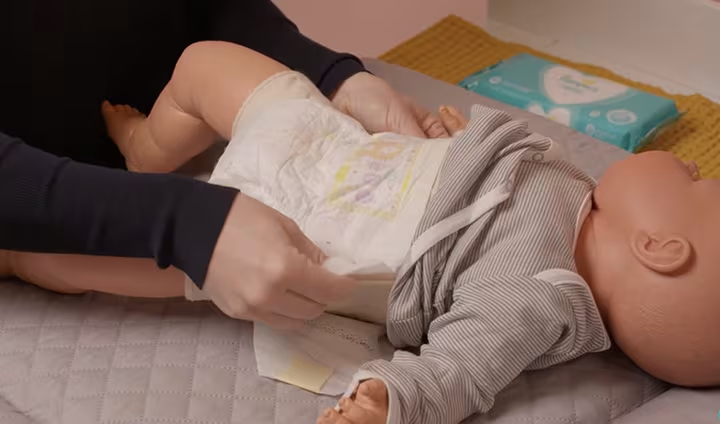
The proper way to change a nappy is to lay your baby on their back on a safe, flat surface, remove and dispose of the used nappy, clean the nappy area gently from front to back, apply barrier cream if needed, and then slide a fresh nappy underneath and fasten it snugly. Having everything within arm's reach before you begin makes each change smoother.
Step 1: Remove the nappy.
Lay your baby on their back and undo the fastening tapes. Lift their bottom by holding their ankles and slide the used nappy out. Roll it up, secure it with the tabs and place it in a nappy bin. For wriggly or older babies, placing a favourite toy or a safe object of interest above them before you begin can help keep them still.
Step 2: Clean the nappy area.
Cleaning your baby during a nappy change should be thorough but gentle. Start by using the front of the soiled nappy itself to wipe away the bulk of any poo, folding it inward as you remove it. Then clean the skin with Pampers Sensitive Wipes or with cotton wool and warm water, always wiping from front to back to help prevent infection. For baby girls, clean gently between the folds of skin but do not wipe inside the labia. For baby boys, clean around the scrotum and penis and do not pull back the foreskin. Pat the area dry rather than rubbing before applying barrier cream if needed
Wipes vs Cotton Wool
Wipes: Convenient and ready to use with no preparation; choose fragrance-free options for sensitive skin.
Cotton wool + warm water: Often recommended by health visitors for newborns; gentler on very new skin but less practical when out and about.
Step 3: Care.
If your baby has nappy rash, a thin layer of barrier cream may help protect their delicate skin. If the rash persists, consult your GP or health visitor.
Step 4: Fresh nappy.
Gently lift your baby's legs and slide a clean nappy underneath. The fastening tapes should sit at the back. Pull the front of the nappy up over your baby's tummy.
Step 5: Fasten nappy.
Fasten the sticky tabs at the front so the nappy fits snugly but comfortably - you should be able to slide two fingers between the nappy and your baby's tummy. Turn the leg cuffs gently outwards to help prevent leaks. If you are using nappy pants, the process is slightly different - tear the side seams to remove the used pair, then pull a fresh pair up like underwear.
Once finished, make sure your little one is safe, wash your hands and wipe down the changing area.
How to Change a Baby Boy's Nappy / How to Change a Baby Girl's Nappy
Follow the above step-by-step o how-to change a nappy guide when changing your baby boy's nappy. However it's a good idea to place a cloth or clean nappy over his penis when changing him. This can help prevent any expected wee from reaching you, your surroundings or even his face.
Another tip is to make sure his penis is pointing downwards before fastening the nappy. This can help prevent leaks and keep your little one dry.
When changing your baby girl's nappy, you can again follow the above step-by-step guide, but remember to always wipe from front to back as this is essential in reducing germs and the possibility of infections.
Make sure to gently clean between the folds of skin, ensuring the area is fresh and comfortable for your little one.

How to Change Your Newborn Baby's Nappy
If you’re a first-time parent, it may take a few tries to get used to changing your newborn baby’s nappy, but don’t worry – you’ll soon get the hang of it. Just after your baby is born, your midwife, doula or one of the nurses may give you some hands-on lessons.
Your newborn baby’s umbilical cord stump will dry and fall off a week or two after birth. Until then, fold the waistband of the nappy down if necessary to keep it away from the cord stump.
As you wait for the umbilical cord stump to fall off, you might like to use some of the nappy changes as an opportunity to gently clean and dry the umbilical cord area and check for signs of infection, like a yellowish discharge or red skin in the area around the stump. If you do notice anything like this, tell your midwife, health visitor or doctor.
Your baby’s first few poos will be a thick, blackish-green, almost tar-like substance called meconium. This is made up of substances your baby swallowed in the womb. After around 48 hours, it will change to a yellow or mustard colour. If your baby is breastfed, their poo will be soft, runny and odourless, whereas formula-fed babies tend to have firmer, darker and stronger-smelling poo.
Don’t be surprised if you notice a little white or bloody discharge in your baby girl’s nappy in the first few days after birth – this is normal. It’s due to hormones that have passed from your body to your baby’s body via the placenta. The hormones will clear from your baby’s body in a few days.
Also, you might see what looks like a little blood in your newborn’s urine in the first few days. This is likely caused by an over-concentration of urine (called urate crystals) and isn’t blood. This is usually harmless, but let your midwife or doctor know if you spot this.
Be sure to check with your midwife, health visitor or GP if you have any questions about what you’re seeing in your newborn’s nappy.

How to Change Your Toddler's Nappy
Changing a toddler's nappy can be trickier than with a newborn, as they tend to wriggle and move around more. A few simple distraction tactics can make a big difference:
For toddlers who roll, changing on a floor mat rather than a raised table removes any risk of falls. Follow the same step-by-step guide above, keeping the tips for boys or girls in mind.
As your little one becomes more active and approaches potty training, they may resist nappy changes altogether. This can be a sign they're ready for Pampers Baby-Dry nappy pants - soft, easy to pull on and offering up to 12 hours of dryness. They also mean you don't need to fully undress an active toddler for a quick change. Always check for a snug fit; frequent leaks or red marks around the waist or thighs suggest it's time to size up.
What Are the Best Nappies for a Wriggly Baby?
The best nappies for a wriggly baby are nappy pants (pull-up style), which can be pulled on standing up rather than requiring a moving baby to lie flat on their back. Pampers Baby-Dry Nappy Pants are designed for active babies and toddlers from size 4 upwards and are also a strong choice for babies who roll on the changing table or resist lying still.
Quick guide for changing a wriggly baby:
When choosing a nappy for an active baby, look for a stretchy waistband, flexible side seams and secure leg cuffs. Pampers Baby-Dry Nappy Pants are designed with all three features to help keep an active baby comfortable and leak-free.
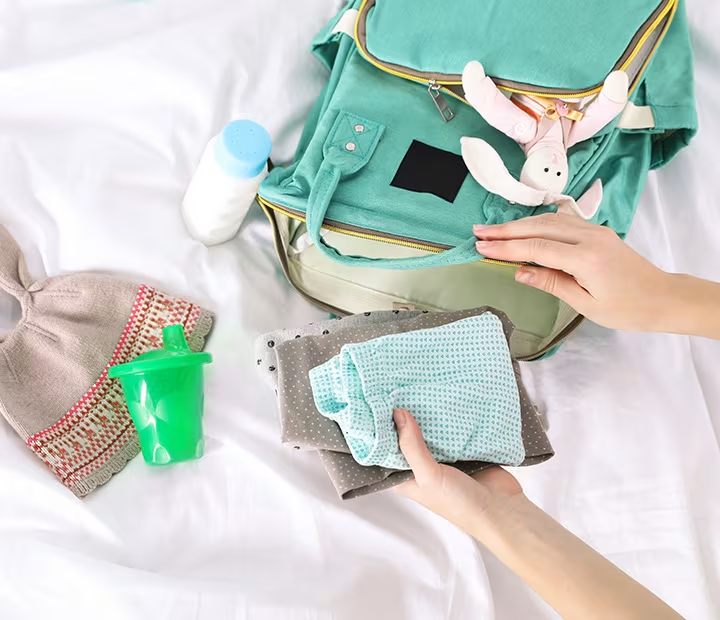
What’s in Your Nappy Bag? Take our Poll!
What are your nappy bag must-haves? From essentials to just-in-case extras, every parent packs a little differently. Take our fun quiz to see how your nappy bag stacks up against other Pampers Parents.
Instant Results
Enjoyment Guaranteed
Personal Insights
What Nappies Make Changing Quick and Hassle-Free?
Pull-up nappy pants make changes quicker and more hassle-free than traditional tab nappies because they need fewer steps - no unfolding and no repositioning under your baby. Many parents find them the more efficient choice, particularly for older babies and toddlers on the move.
Tips for faster nappy changes:
For quicker, easier daily changes, explore the Pampers Nappy Pants range.
What Nappies Are Easiest for Solo Night Changes?
For solo night changes, the easiest nappies are pull-up nappy pants with a high absorbency rating. Pull-ups are simpler to manage in low light than tab nappies because they require less precise repositioning. A highly absorbent nappy - such as Pampers Baby-Dry, which offers up to 12 hours of dryness - can also reduce how often you need to change through the night.
Tips for smoother solo night changes:
As your baby grows, night changes naturally become less frequent. Building a calm, simple routine - with Pampers Baby-Dry Nappy Pants to hand - makes solo night care more manageable over time.
How Often Should You Change a Nappy?
Experts recommend changing your baby’s nappy after every poo and frequently in between to keep their skin clean and dry. A wet or soiled nappy left on too long can lead to nappy rash.
How often your baby needs a nappy change depends on their age, diet and digestion. Some babies poo or wee after every meal, while others may go once or a few times a day, all of which can be normal.
As a general guide:

How Do You Know It's Time for a Nappy Change?
Some nappies have a wetness indicator, making it easy to see when your baby’s nappy needs changing.
Other signs your baby may need a nappy change include:
The nappy is sagging or feels heavy.
What Are the Signs Your Baby Needs a Bigger Nappy?
If your little one’s nappy is too small, it may feel tight and uncomfortable, increasing the chance of leaks or marks on their skin. Here are some signs that it’s time to move up a size:
For the best fit, check out our nappy size guide to help find the right size nappy for your little one.

What to Do if the Nappy is Leaking
If you start having leaks and poonamis, it might be time to go up a nappy size. As your baby grows, so does the quantity of wee and poo they produce. A bigger nappy may not only fit better but it can also hold more liquid.
Even if the nappy is the right size, if you don’t put it on correctly you could still experience leaks. Double check that you haven’t fastened the nappy too tightly or too loosely, that the tapes are symmetrical and that the leg cuffs are turned out.
Even if the nappy is the right size, if you don’t put it on correctly you could still experience leaks. Double check that you haven’t fastened the nappy too tightly or too loosely, that the tapes are symmetrical and that the leg cuffs are turned out.
FAQS AT A GLANCE
Here are some tips for changing your baby's nappy:
• Lay your baby on a changing mat and undo the nappy.
• Clean their skin, wiping front to back.
• Apply barrier cream if needed.
• Slide a clean nappy under, pull it up and secure the fastening tapes.
The Bottom Line
Even if nappy changes aren’t always your favourite task, you’ll love knowing your little one feels dry, comfortable and fresh. As you get the hang of it, nappy changes will become quicker and easier, and before you know it, they’ll have become second nature!
Plus, you can make the most of every nappy change by earning rewards through the Pampers Club app. Using your app, simply scan codes inside your Pampers nappy and wipes multi-pack purchases to build up loyalty points. Then, use your loyalty points to redeem against coupons for your favourite Pampers products.
Even if you don't always love nappy changes, you’ll love knowing that your little one feels dry and comfortable in a fresh, clean nappy. Plus, as you become a baby changing pro those nappy changes will become quicker and easier. Before you know it changing nappies will become second nature, and you’ll be able to enjoy the time talking and bonding with your baby as you expertly get your little one changed into a fresh nappy.
- NHS: How to change your baby's nappy
- NHS: Nappy rash
- NHS: Baby poo
- NHS: Nappies
- NHS: What’s in a nappy?
- NHS: What is the umbilical cord?
- NHS: Baby skin, bathing and cord care
- NHS: Changing your Baby’s Nappy
- NHS - How to change your baby's nappy
- NHS Start for Life - Changing a nappy
- NHS - Nappy rash
- NHS - Baby poo
Read more about Newborn Baby
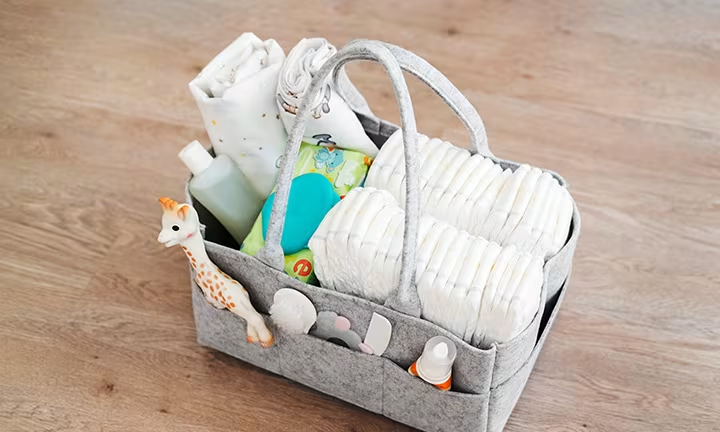
Your Essential Nappy Caddy Guide
Looking for a way to organise your nappy-changing gear? A nappy caddy is a practical option for keeping all the essentials within easy reach for changes.
Read more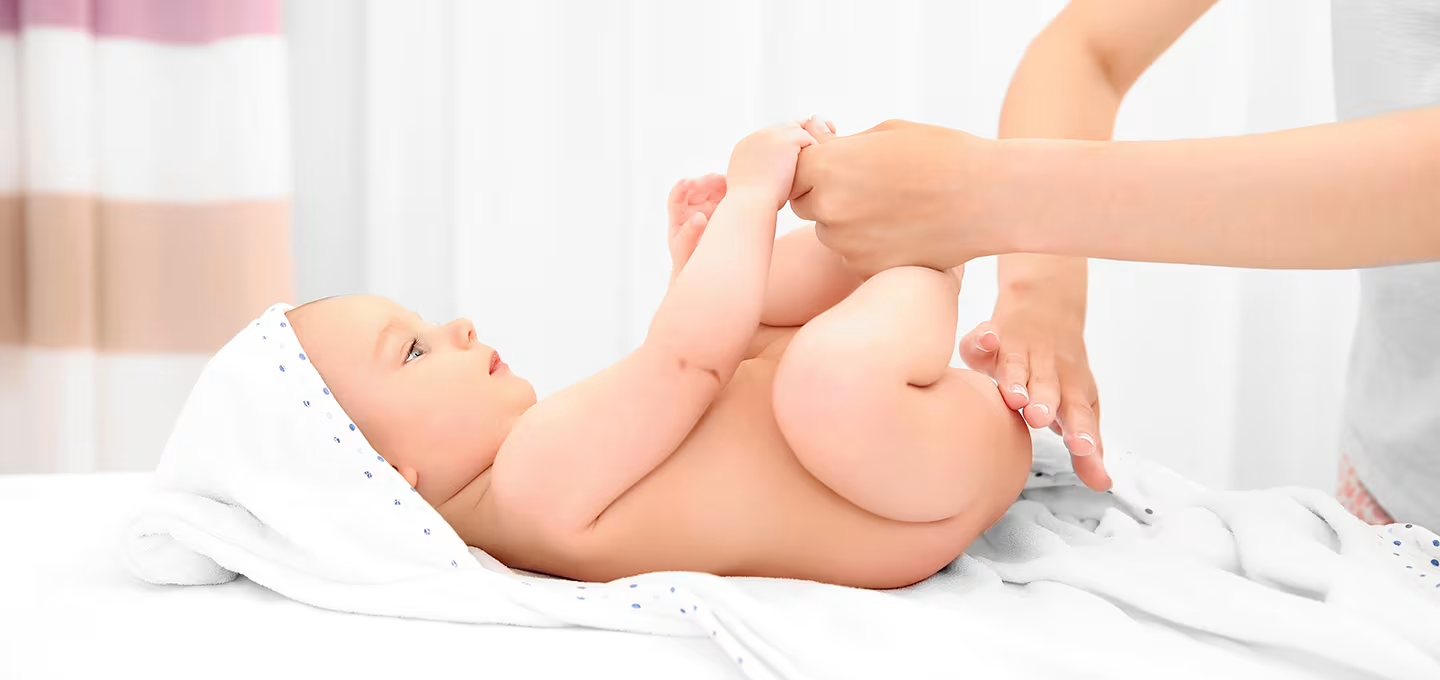
When and How to Use Nappy Cream for Your Baby
Wondering about the uses of diaper creams? We’ll discuss when to use a diaper cream and provide a step-by-step guide on how to apply it.
Read more
How Many Newborn Nappies Do I Need?
While preparing for your baby’s arrival, you might ask yourself the question, 'How many newborn nappies do I need? ' We’ve got the answer and more!
Read moreEco-Friendly Nappy Checklist: Materials, Certifications & Disposal Reality Check
Learn what eco nappies are made of, which certifications like OEKO-TEX and FSC really matter, and the honest truth about biodegradability and disposal.
Read more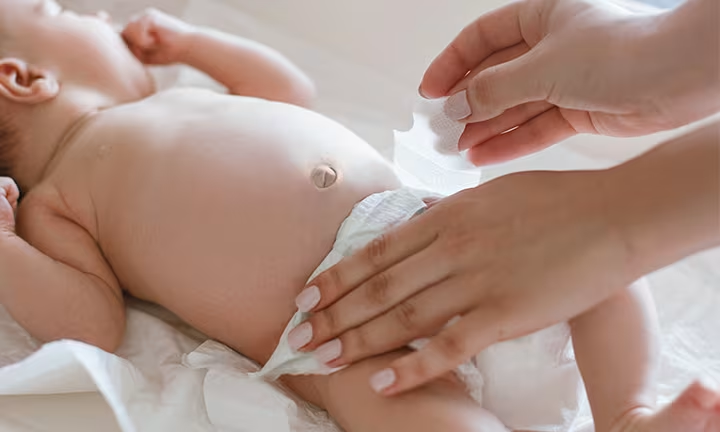
How Often to Change a Newborn’s Nappy
Unsure how often to change your baby’s nappy? Get guidance based on age and stage to help keep their skin dry and happy.
Read more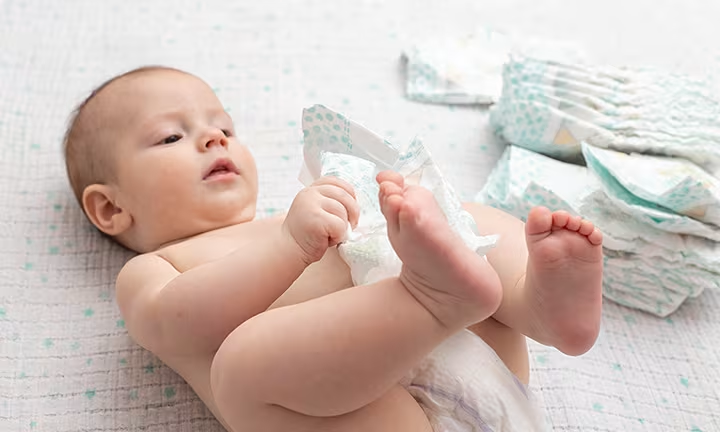
How to Properly Dispose of Nappies
Nappy disposal is easy, but not as simple as tossing a used nappy in the bin. Learn our top tips for the proper disposal of nappies at home and in public.
Read moreYour Essential Nappy Caddy Guide
Looking for a way to organise your nappy-changing gear? A nappy caddy is a practical option for keeping all the essentials within easy reach for changes.
Read moreWhen and How to Use Nappy Cream for Your Baby
Wondering about the uses of diaper creams? We’ll discuss when to use a diaper cream and provide a step-by-step guide on how to apply it.
Read moreHow Many Newborn Nappies Do I Need?
While preparing for your baby’s arrival, you might ask yourself the question, 'How many newborn nappies do I need? ' We’ve got the answer and more!
Read moreEco-Friendly Nappy Checklist: Materials, Certifications & Disposal Reality Check
Learn what eco nappies are made of, which certifications like OEKO-TEX and FSC really matter, and the honest truth about biodegradability and disposal.
Read moreHow Often to Change a Newborn’s Nappy
Unsure how often to change your baby’s nappy? Get guidance based on age and stage to help keep their skin dry and happy.
Read moreHow to Properly Dispose of Nappies
Nappy disposal is easy, but not as simple as tossing a used nappy in the bin. Learn our top tips for the proper disposal of nappies at home and in public.
Read moreYour Essential Nappy Caddy Guide
Looking for a way to organise your nappy-changing gear? A nappy caddy is a practical option for keeping all the essentials within easy reach for changes.
Read moreWhen and How to Use Nappy Cream for Your Baby
Wondering about the uses of diaper creams? We’ll discuss when to use a diaper cream and provide a step-by-step guide on how to apply it.
Read moreJoin Pampers Club and get:
- PAMPERS COUPONS
- TOOLS & QUIZZES
- PARENTING TIPS
 PAMPERS COUPONS
 TOOLS & QUIZZES
 PARENTING TIPS