
Home Remedies and Treatments for Nappy Rash


Nappy rash is a common issue that most will encounter at some point in their parenting journey. Mild nappy rash generally goes away after a few days, and some gentle home remedies may help soothe your little one’s skin. However, it's always best to consult your baby's GP or health visitor for advice. In this article, we will explore what nappy rash is, what causes it, and how to treat and heal nappy rash with some remedies and tips you can use at home. We’ll also provide tips on what to avoid, and when it's time to seek professional care.

Home Remedies for Nappy Rash
Nappy rash is irritation of the skin in the nappy area, usually caused by urine or stool on the skin, overhydration of the skin, imbalanced skin pH, and friction in the nappy area. If your little one has a nappy rash, you may notice red patches on their nappy area, red or brown pimples, spots or blisters (that may be harder to notice on darker skin tones), and hot, sore-looking skin. This may cause your baby to be irritable or fussy.
When your little one develops a nappy rash, it’s natural to want to find relief as quickly as possible. While there are many over-the-counter treatments available, some parents prefer to start with natural remedies for nappy rash at home. However, if you think your baby has a fungal nappy rash, consult their GP or health visitor, as your child will require a specific treatment, like an antifungal cream.
It’s important to remember that not all home remedies are suitable for every baby, and it’s always wise to consult with your baby’s GP or health visitor before trying a new treatment.
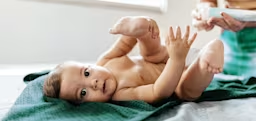
Apply Human Breast Milk
One of the most natural and accessible home remedies for nappy rash is human breast milk. Some parents have found that applying a small amount of breast milk to the affected area can help soothe irritation and promote healing, although scientific evidence supporting this is limited. Breast milk is believed to possess anti-inflammatory and antibacterial properties that may benefit the skin.
If you are considering using breast milk as a remedy, it’s essential to discuss this with your baby’s GP, midwife or health visitor to ensure it’s appropriate for your child. While this method may appeal to those who prefer natural remedies for nappy rash, it’s important to monitor the rash closely. If it persists or worsens, seeking medical advice is recommended.
Increase Airflow
One of the most popular home remedies for nappy rash is to ensure that your baby's nappy area receives plenty of airflow. Allowing this area to be exposed to air helps keep the skin dry, which is essential for both treating and preventing nappy rash.
Nappy rash often occurs when a baby's skin is exposed to moisture for extended periods. When possible, give your baby some nappy-free time by placing them on a towel to allow the skin to breathe and air dry. This may reduce the severity of the rash and prevent further irritation. You can also ensure your baby wears breathable disposable nappies that promote airflow, reducing moisture and irritation while keeping them comfortable.
This method is simple, safe and easily incorporated into your baby’s daily routine to help manage and prevent nappy rash.
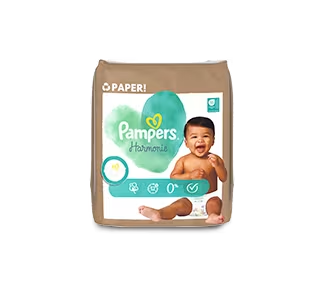
Pampers® Harmonie
Change Nappies Frequently
Frequent nappy changes are essential for treating nappy rash at home. Keeping your baby’s nappy area clean and dry can help prevent nappy rash and soothe any existing discomfort. Prolonged exposure to wet or soiled nappies is one of the most common causes of nappy rash, as moisture can irritate your baby's sensitive skin and cause an imbalance in skin pH.
To minimize the risk of nappy rash, it’s important to check your baby’s nappy often and change it as soon as you can if it’s wet or soiled. Pampers nappies and wipes have been formulated to ensure your baby stays comfortable and dry. Their superior absorbency and gentle materials are specifically designed for a baby’s sensitive skin. This is especially crucial at night when your baby may sleep for long stretches, potentially leading to prolonged contact with a soiled nappy.
When changing nappies, gently clean the nappy area with perfume-free and alcohol-free wipes, such as Pampers Pampers 99% Water, and allow the skin to air dry before putting on a fresh nappy. Consistently following this method may help promote faster healing if a rash develops.

Baby Growth Chart Calculator
Keep an eye on your baby’s height, weight, and head circumference to average growth with our simple tool.
This is a mandatory field.
This is a mandatory field.
This is a mandatory field.
This is a mandatory field.
*Input details of your baby’s last measurements **Source: World Health Organization
Nappy Rash Treatments to Avoid
When treating nappy rash, it's essential to avoid certain practices that can exacerbate the condition or cause additional irritation. Below are things to avoid when treating or preventing nappy rash:
Soaps, Baby Lotions and Bubble Baths
Soaps, baby lotions and bubble baths can irritate your baby’s sensitive skin, especially in the nappy area. It’s recommended to clean your baby’s skin with perfume-free and alcohol-free baby wipes instead. Alternatively, you may choose to use cotton wool and water to clean your baby’s skin.
Antiseptics
Applying antiseptics to nappy rash is discouraged, as they can further irritate the skin. Instead, focus on keeping the area clean and dry, and use barrier creams as recommended by a healthcare professional.
Talcum Powder
Talcum powder is not recommended for treating nappy rash, as it can irritate your baby's skin.
Don’t Put Nappies on Too Tightly
Fastening nappies too tightly can cause friction and irritation on your baby's skin. Ensure that nappies fit properly – not too tight and not too loose – to prevent chafing and allow for adequate air circulation.
By avoiding these practices, you can help promote healing and prevent further irritation associated with nappy rash.
What’s in Your Nappy Bag? Take our Poll!
What are your nappy bag must-haves? From essentials to just-in-case extras, every parent packs a little differently. Take our fun quiz to see how your nappy bag stacks up against other Pampers Parents.
Instant Results
Enjoyment Guaranteed
Personal Insights
How to Treat Nappy Rash
As mentioned earlier, keeping the nappy area clean and dry is a great way to treat nappy rash and help prevent future nappy rashes. Here are a few additional treatments you can try to help your baby's skin recover from nappy rash:
When to Contact Your GP or Health Visitor
While most nappy rashes can be treated at home, there are times when medical advice should be sought:
Home remedies for a severe nappy rash are not recommended and you should always consult your baby’s GP or health visitor for treatment. If you have any concerns or questions about your little one’s nappy rash or you’re unsure whether it’s severe or not, it’s always best to consult a medical professional.
The Bottom Line
Nappy rashes are common and can often be effectively treated with simple home remedies. Keeping the nappy area clean and dry is essential in treating the rash, and allowing air to the skin through nappy-free time may also provide relief. However, it's important to approach any remedy with caution and consult your baby’s GP or health visitor or seek advice from a pharmacist if the rash does not improve. Only use barrier creams or nappy creams recommended or prescribed by a healthcare professional.
If you haven’t already, download the Pampers Club app, which offers discounts and rewards on all your favourite Pampers products – helping you to care for your little one’s nappy area.
Hand, Foot and Mouth Disease Explained
Get essential information about hand foot and mouth disease in babies. Learn about the causes, symptoms, treatment and how to protect your baby.
Read more
Common kids illnesses: solutions and remedies
Common illnesses are normal for children of all ages and can boost immune systems. See the most common illnesses and treatments for kids.
Read more
Chickenpox in Babies, Toddlers and During Pregnancy
Discover crucial information about Chickenpox in babies under 3 months. Learn how this red, itchy rash affects infants and steps to take for treatment.
Read more
How to Deal With Bed Bugs on Babies
How can you tell if your baby has bed bugs bites? Read on to find out the common signs of bed bugs on children.
Read more
Whooping Cough in Babies
Understand the 3 stages of Whooping Cough and learn to recognize its symptoms in babies for timely treatment and care with our comprehensive guide.
Read more
Pneumonia in Babies and Children
Pneumonia in babies and children is usually due to an infection in the lungs. Read more about what pneumonia is, the symptoms and treatment.
Read more
Roseola: Signs, Symptoms and Treatment
Roseola Infantum, or ‘sixth disease’, is a mild infection that can cause fever and a rash in babies and toddlers. Learn about the causes, symptoms and treatment.
Read more
Moro Reflex in Newborns
Moro reflex usually occurs in the first few months after birth. Your newborn may experience startle reflexes. Not to worry as it’s common at this age.
Read more
Baby Diarrhoea: Causes, Symptoms & When to See a GP
Worried your baby has diarrhoea? Discover common causes, signs to watch for, how to keep your baby hydrated and when it’s best to contact your GP.
Read more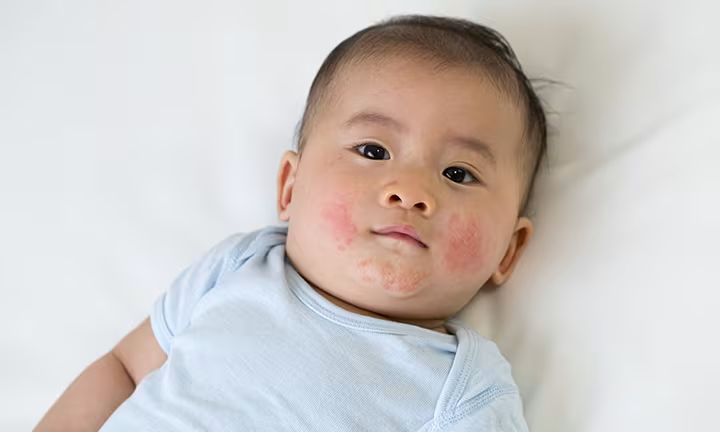
What Is Slapped Cheek Syndrome?
Slapped cheek syndrome is a viral infection that can show up as a bright red rash on the cheeks of your baby or toddler. Learn about the symptoms and treatment.
Read moreHand, Foot and Mouth Disease Explained
Get essential information about hand foot and mouth disease in babies. Learn about the causes, symptoms, treatment and how to protect your baby.
Read moreCommon kids illnesses: solutions and remedies
Common illnesses are normal for children of all ages and can boost immune systems. See the most common illnesses and treatments for kids.
Read moreChickenpox in Babies, Toddlers and During Pregnancy
Discover crucial information about Chickenpox in babies under 3 months. Learn how this red, itchy rash affects infants and steps to take for treatment.
Read moreHow to Deal With Bed Bugs on Babies
How can you tell if your baby has bed bugs bites? Read on to find out the common signs of bed bugs on children.
Read moreWhooping Cough in Babies
Understand the 3 stages of Whooping Cough and learn to recognize its symptoms in babies for timely treatment and care with our comprehensive guide.
Read morePneumonia in Babies and Children
Pneumonia in babies and children is usually due to an infection in the lungs. Read more about what pneumonia is, the symptoms and treatment.
Read moreRoseola: Signs, Symptoms and Treatment
Roseola Infantum, or ‘sixth disease’, is a mild infection that can cause fever and a rash in babies and toddlers. Learn about the causes, symptoms and treatment.
Read moreMoro Reflex in Newborns
Moro reflex usually occurs in the first few months after birth. Your newborn may experience startle reflexes. Not to worry as it’s common at this age.
Read more