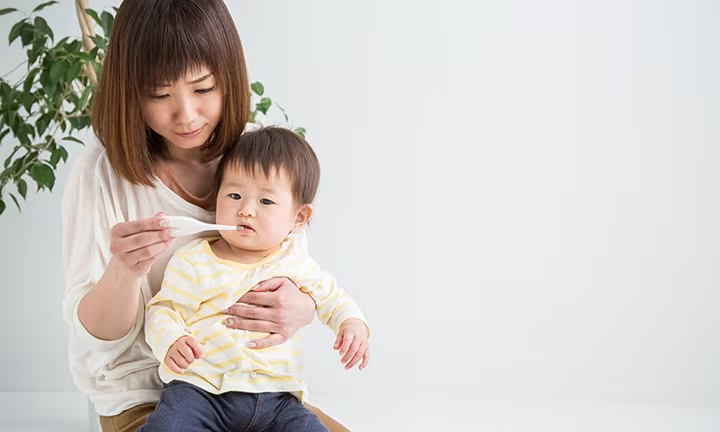
Baby Diarrhoea: Causes, Symptoms & When to See a GP


Baby diarrhoea is common and usually not serious, but it may be worrying, especially if your little one seems unsettled or you're unsure what’s normal. If your baby has diarrhoea, you’ll likely notice frequent, watery poos that differ from their usual bowel movements. Most cases are caused by a virus and clear up within a few days, but keeping your baby hydrated and knowing when to call your GP is important.
This guide covers everything you need to know about diarrhoea in babies, from causes and symptoms, to treatment, prevention and when to seek help – including what to do if your baby has diarrhoea but seems fine otherwise.
What Is Baby Diarrhoea?
Baby poo comes in all sorts of colours and consistencies. Baby diarrhoea is the name for a discharge of runny or watery poo, often several times a day. In babies and young children, it’s often caused by a viral infection such as norovirus or rotavirus.
Since diarrhoea in babies is usually caused by germs that affect the stomach, it may be accompanied by vomiting. Diarrhoea happens when the digestive system becomes overstimulated due to some irritation, for example, a viral or bacterial infection. When this happens, waste passes through the intestines so quickly that the bowel doesn’t have time to absorb the water it contains.
Diarrhoea usually stops in a few days with home care and treatment, but it may easily lead to dehydration, so it’s important to keep up your child’s fluid intake. See a doctor if your baby has diarrhoea. Young babies may become dehydrated more easily than older children, especially under the age of 6 months.
Infant and Baby Diarrhoea Signs and Symptoms
Diarrhoea in babies typically means very loose or watery stools that occur more often than usual. If your baby has diarrhoea but seems otherwise fine, it may simply be a mild case. Common signs and symptoms that may accompany diarrhoea in babies include:
Causes of Baby Diarrhoea
In newborn babies, toddlers and young children, diarrhoea is usually caused by viruses such as norovirus or rotavirus.
Other possible causes of diarrhoea in babies include:
Treatment of Infant Diarrhoea
The kind of treatment your baby’s GP recommends will depend on their diagnosis of what is causing the diarrhoea in the first place and how severe it is.
There is no medication for diarrhoea in babies that is triggered by a virus, which is the most common cause of diarrhoea. Diarrhoea caused by a virus tends to clear up on its own with time. With diarrhoea – besides keeping your little one comfortable and treating other symptoms like fever or tummy ache – it’s important to keep your child hydrated.
In some cases, your child's GP may want to run tests, for example by sending a stool sample to a laboratory to find out what kind of virus or bacteria is causing the illness.
If the doctor suspects that your baby’s diarrhoea has a cause other than a viral or bacterial infection, they may conduct further tests or refer your child to a specialist who can investigate the causes and recommend suitable treatment.
Treatment of Severe Diarrhoea
If your baby has diarrhoea and is showing signs of dehydration, refusing feeds, vomiting repeatedly or has blood or mucus in their poo, they need urgent medical care.
In severe cases, your doctor might recommend oral rehydration solutions (ORS) to replace lost fluids and salts. If your little one can’t keep fluids down or shows signs of serious dehydration, they may need fluids through a drip in the hospital.
If a Food Allergy Is Suspected
If you or your GP suspect that your baby’s diarrhoea may be linked to a food allergy or intolerance, you may be referred to an allergy clinic. There, your little one might undergo skin prick tests, blood tests or be placed on an elimination diet. This involves removing suspected foods from their diet for a short period to see if symptoms improve.
It’s important not to eliminate foods without guidance. Always consult your child’s GP or a qualified dietician before cutting out any major food groups. Your baby needs a balanced diet to support healthy growth and development, even while investigating possible allergies.
Medicine for Diarrhoea in Babies
If you’re wondering what to give babies for diarrhoea, keep in mind that over-the-counter anti-diarrhoea medicines are not recommended for children under the age of 12 years old. Check with your child's doctor before giving your little one any medication for diarrhoea.
In some cases, medicine could be prescribed or recommended to treat or ease the other symptoms of an illness that’s causing the diarrhoea. For example, your GP may recommend a medicine suitable for your baby to relieve tummy pain and discomfort and/or help bring down a fever.
Keeping Your Child Hydrated
Keeping your baby or toddler hydrated during a spell of baby diarrhoea is essential, as dehydration may happen quickly, especially in babies under 6 months. The best way to support hydration depends on how your child is currently being fed.
Here are some tips for keeping your little one hydrated during diarrhoea:
If your baby has diarrhoea but seems otherwise fine, still keep a close eye on their fluid intake and nappy output to help prevent dehydration.
When to See the Doctor
Babies and toddlers may become dehydrated more quickly than older children, particularly those under 6 months old, so it’s a good idea to consult your GP if your baby or toddler under 5 years old has diarrhoea, even if it seems mild.
Call your GP or 111 straight away if:
Call 999 or go to A&E immediately if your child:
Preventing Diarrhoea
Diarrhoea in babies can’t always be prevented completely, but there are ways to lower the risk, especially when it comes to viral infections, bacteria and food poisoning.
Check that your child is up to date with the rotavirus vaccine, which may guard your little one against this specific virus. This vaccine is given in the form of liquid drops for your baby to swallow, not as an injection. Talk to your health visitor if you have any questions about the rotavirus vaccine.
These simple habits may help prevent baby diarrhoea, especially from viral or hygiene-related causes.
Food safety
Food poisoning is a common cause of diarrhoea in babies and older children. By following good food hygiene practices, you may lower the risk of diarrhoea caused by bacteria or parasites in food.
Good food safety habits include:
These steps may help reduce the risk of baby diarrhoea linked to contaminated or improperly handled food.
In Summary
Diarrhoea can’t be eliminated but following good hygiene habits like regular handwashing and cleaning kitchen surfaces and utensils may lower the risk of viral infections. Good food safety practices – such as keeping raw meat and fish separate from other foods in the fridge or refrigerating leftover food promptly, and heating or cooking food thoroughly – may help reduce the risk of diarrhoea from bacteria or parasites found in food.
How to Stop Diarrhoea from Spreading
The germs that can cause diarrhoea in babies are often infectious, so it’s important to take steps to prevent the diarrhoea from spreading.
Here are some ways to lower the risk of diarrhoea making other people ill:
FAQS AT A GLANCE
You shouldn’t give your baby anything for baby diarrhoea without speaking to a GP. Anti-diarrhoea medicines are not safe for children under 12. Your doctor may recommend treatment to ease symptoms like tummy ache or fever, depending on the cause.
The Bottom Line
Although there’s plenty you can do to lower the risk of diarrhoea in your baby, the infections that cause it are very common so sooner or later you may encounter some runny poo in your baby’s nappy despite your best efforts.
While diarrhoea is uncomfortable for your baby and it can be worrying for you (and sometimes unpleasant to clean up the mess), it usually only lasts a few days. In the meantime, check in with your child’s doctor and take extra care to keep your child hydrated and to prevent the diarrhoea from spreading. Before you know it your little one will be back to their old self again.
- Chelsea and Westminster Hospital NHS Foundation Trust. 'Gastroenteritis'.
- Healthier Together. 'Diarrhoea and vomiting'.
- Healthier Together. 'Diarrhoea and vomiting (Wessex Parents’ Handout)'.
- Hull University Teaching Hospitals NHS Trust. 'Gastroenteritis: Advice for parents and carers'.
- NHS. 'Can reheating rice cause food poisoning?'.
- NHS. 'Children’s food safety and hygiene'.
- NHS. 'Dehydration'.
- NHS. 'Diarrhoea and vomiting'.
- NHS. 'Food allergies in babies and young children'.
- NHS. 'Norovirus'.
- NHS. 'Rotavirus vaccine'.
- NHS England. 'Bristol stool chart (carer version)'.
- West Suffolk NHS Foundation Trust. 'Diarrhoea'.
- West Suffolk NHS Foundation Trust. 'Gastroenteritis: Management of babies and children'.
Common kids illnesses: solutions and remedies
Common illnesses are normal for children of all ages and can boost immune systems. See the most common illnesses and treatments for kids.
Read more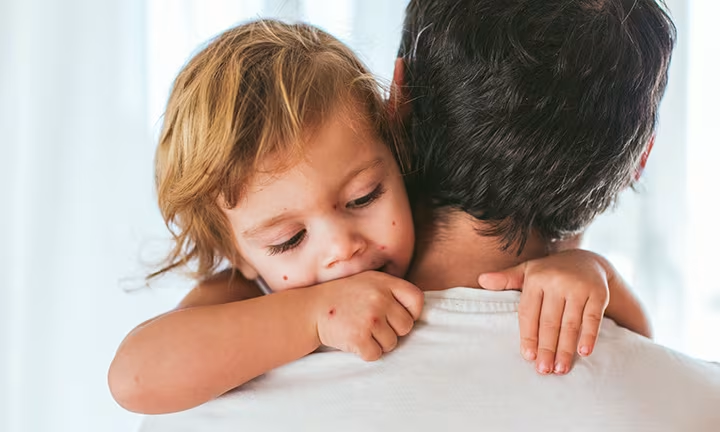
Chickenpox in Babies, Toddlers and During Pregnancy
Discover crucial information about Chickenpox in babies under 3 months. Learn how this red, itchy rash affects infants and steps to take for treatment.
Read more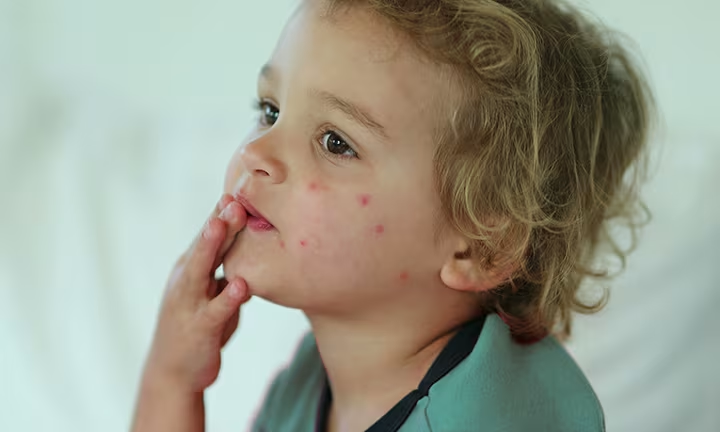
How to Deal With Bed Bugs on Babies
How can you tell if your baby has bed bugs bites? Read on to find out the common signs of bed bugs on children.
Read more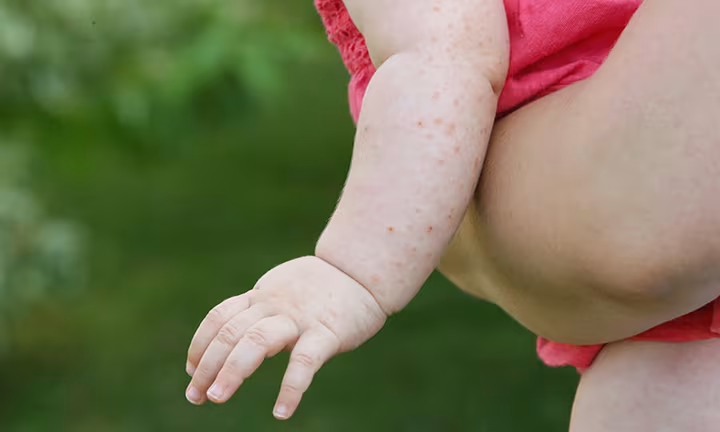
Heat Rash in Babies and Toddlers
Discover the causes and remedies for baby heat rashes. Learn prevention tips and when to seek medical advice for your little one's comfort.
Read more
Whooping Cough in Babies
Understand the 3 stages of Whooping Cough and learn to recognize its symptoms in babies for timely treatment and care with our comprehensive guide.
Read more
Pneumonia in Babies and Children
Pneumonia in babies and children is usually due to an infection in the lungs. Read more about what pneumonia is, the symptoms and treatment.
Read more
Roseola: Signs, Symptoms and Treatment
Roseola Infantum, or ‘sixth disease’, is a mild infection that can cause fever and a rash in babies and toddlers. Learn about the causes, symptoms and treatment.
Read more
Moro Reflex in Newborns
Moro reflex usually occurs in the first few months after birth. Your newborn may experience startle reflexes. Not to worry as it’s common at this age.
Read more
What Is Slapped Cheek Syndrome?
Slapped cheek syndrome is a viral infection that can show up as a bright red rash on the cheeks of your baby or toddler. Learn about the symptoms and treatment.
Read more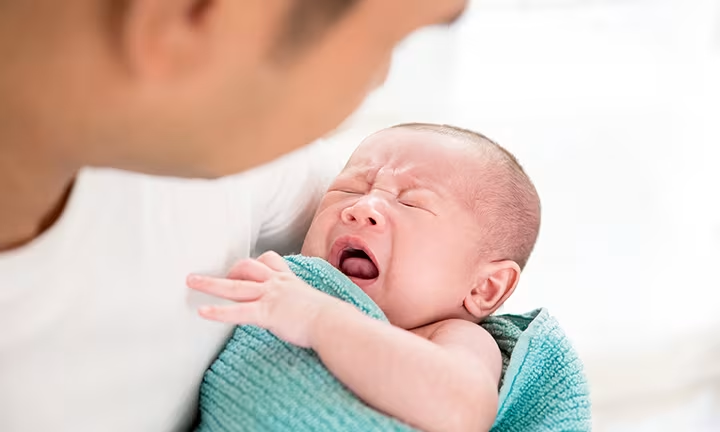
Hand, Foot and Mouth Disease Explained
Get essential information about hand foot and mouth disease in babies. Learn about the causes, symptoms, treatment and how to protect your baby.
Read moreCommon kids illnesses: solutions and remedies
Common illnesses are normal for children of all ages and can boost immune systems. See the most common illnesses and treatments for kids.
Read moreChickenpox in Babies, Toddlers and During Pregnancy
Discover crucial information about Chickenpox in babies under 3 months. Learn how this red, itchy rash affects infants and steps to take for treatment.
Read moreHow to Deal With Bed Bugs on Babies
How can you tell if your baby has bed bugs bites? Read on to find out the common signs of bed bugs on children.
Read moreHeat Rash in Babies and Toddlers
Discover the causes and remedies for baby heat rashes. Learn prevention tips and when to seek medical advice for your little one's comfort.
Read moreWhooping Cough in Babies
Understand the 3 stages of Whooping Cough and learn to recognize its symptoms in babies for timely treatment and care with our comprehensive guide.
Read morePneumonia in Babies and Children
Pneumonia in babies and children is usually due to an infection in the lungs. Read more about what pneumonia is, the symptoms and treatment.
Read moreRoseola: Signs, Symptoms and Treatment
Roseola Infantum, or ‘sixth disease’, is a mild infection that can cause fever and a rash in babies and toddlers. Learn about the causes, symptoms and treatment.
Read moreMoro Reflex in Newborns
Moro reflex usually occurs in the first few months after birth. Your newborn may experience startle reflexes. Not to worry as it’s common at this age.
Read moreJoin Pampers Club and get:
- PAMPERS COUPONS
- TOOLS & QUIZZES
- PARENTING TIPS
 PAMPERS COUPONS
 TOOLS & QUIZZES
 PARENTING TIPS