
Nappy Rash: Causes, Symptoms, & Relief for Your Baby


Key Takeaways
What usually causes nappy rash?
What does nappy rash look or feel like?
Top tips to help prevent nappyrash:
Nappy rash is a common form of irritated, red skin in the area covered by a nappy, often caused by prolonged dampness, friction, or contact with wee and poo. It can look sore, spotty or shiny, and may make your baby unsettled during changes. In many cases it improves quickly with simple care, but it’s helpful to know what’s normal and when to seek advice.
Key things to understand:
Next, we’ll cover how to identify different types of rash and the most effective treatments and prevention steps.
5 Quick Tips for Nappy Rash Prevention

Change your baby’s nappy regularly
It’s much easier to keep nappy rash at bay by making sure your baby’s skin stays clean and as dry as possible. Regular nappy changes can prevent baby nappy rash from starting.
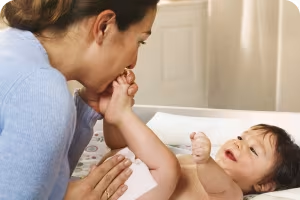
Keep your baby’s skin fresh
Stick to alcohol-free, fragrance-free wipes, or whatever gentle option suits you best to help reduce nappy rash symptoms.

Get the right nappy fit
Double check the nappy isn’t too tight, isn’t rubbing, and isn’t leaking. If your little one already has a nappy rash, going up a size can help things heal.
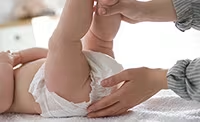
Pick nappies with super-absorbent layers
Choose nappies that pull moisture away from your baby’s skin, helping them stay dry and comfy.

Let your baby’s skin breathe
Opt for nappies that let air in, so there’s less moisture and irritation. You can even opt for short periods of nappy-free time.
What Is Nappy Rash?
Nappy rash is a common condition that typically forms when the sensitive skin in your baby’s nappy area becomes irritated, especially if it remains in contact with urine or poo for too long.
Nappy rash can make your baby’s skin red, warm or sore in patches, and sometimes it can cause spots or blisters. With proper treatment, nappy rash usually clears up within three or four days, but if the rash doesn’t noticeably improve within a couple of days, or if it gets worse, see your GP or health professional for advice.
An important way of protecting your little one against nappy rash is changing your baby’s nappy frequently.
The good news: most rashes are mild nappy rash and clear up quickly with a little extra care.
Tip
Don’t feel bad if you spot a nappy rash on your little one. Over 50% of babies get them at some point. Most rashes heal up in just a few days, but if it hangs around, it’s always wise to consult your health visitor or GP.

What Does Nappy Rash Look Like?
Nappy rash doesn’t always look the same - it can depend on how bad it is, what has caused it, or your baby’s skin tone. Many cases are mild nappy rash and clear up quickly, but sometimes it needs a closer look.
Here’s how you might spot a nappy rash and what the signs could mean:
Common Signs and Symptoms of Nappy Rash
Lots of parents have searched for nappy rash pictures to compare, but since every baby’s skin is a bit different, look for these signs and symptoms of nappy rash:
You’ll often spot these in areas that stay moist or rub against the nappy, like the bottom, genitals and thighs. If you notice your baby's nappy rash looks like a burn or like pimples, it's best to consult a health professional for a diagnosis.
Here’s a quick cheat sheet to help match symptoms of nappy rash to next steps:
What you may see | What it may suggest | What to do next |
|---|---|---|
Mild redness or a little irritation | Simple nappy rash from wetness or friction | Just keep the area clean and dry; change nappies more often |
Bright red rash right in the creases | Yeast rash (fungal infection, sometimes a mild yeast nappy rash) | Check in with your baby’s GP or health visitor; an antifungal cream might help |
Yellow, crusty bits or pus-filled bumps | Bacterial rash (infected nappy rash symptoms) | Get the GP's advice; sometimes you’ll need a prescription |
Red bumps/rash after using a new product | Could be a reaction or allergy | Stop using the new product and keep an eye on the rash |
Dry, scaly skin beyond the nappy | Might be eczema or another skin problem | Chat to your GP or health visitor to be sure |
If you’re not sure what’s going on, just pop by your GP or baby’s health visitor - they’ll know how to help and guide you if you spot severe nappy rash symptoms. Addressing baby nappy rash early can help prevent more severe irritation.

Mild vs. Severe Nappy Rash
Knowing the difference between a mild nappy rash and a severe nappy rash makes deciding what to do much easier.
Mild nappy rash | Severe or ‘bad’ nappy rash |
|---|---|
Just a bit red or discoloured | Very red or very dark patches |
Small bumps or slight dryness | Blisters, open sores, or even bleeding |
Limited to a small area | Spreads past the nappy zone |
Baby seems comfortable | Baby is extra fussy or clearly in pain during changes |
Bad nappy rashes might also show up as:
If you spot these or if things don’t get better after a few days, your GP or health visitor can help with a plan, possibly suggesting a severe nappy rash treatment or remedies.
Other skin things (like baby eczema) might look a bit like a nappy rash, so if you’re unsure, get it checked so you can help your baby fast. Here’s how to spot the difference in baby rashes.
Parents also ask…
Does nappy rash cause pain?
Mild nappy rash might be a bit uncomfortable, but if it’s severe nappy rash, it can be painful - babies might be upset, especially when wiping or changing nappies.
Can the rash spread?
Yes, it can go past the nappy area if the skin gets more irritated or infected, especially in those warm, sticky creases.
What Causes Nappy Rash?
Lots of people assume nappies themselves are to blame, but most rashes are just from too much wetness, rubbing or irritation against that delicate skin. Wondering what causes nappy rash? Knowledge of nappy rash causes can help you prevent flare-ups. The most common causes of baby nappy rash are prolonged moisture, friction and exposure to wee or poo.
The warm, damp environment inside a nappy is kind of the perfect storm for sore skin, especially if wees, poos or bacteria linger too long.
The most common triggers for nappy rash
Here’s a quick run-through of what usually sets it off:
Nappy rash is usually down to wetness, friction and contact with poo or wee. Just changing nappies often and making sure they fit nicely can really help prevent nappy rash. This advice is crucial for tackling baby nappy rash early.
Other causes to look out for
Sometimes there’s an underlying reason or infection, including:
Seeing anything odd or a rash that hangs around? Time to reach out to your GP or health visitor, especially if you notice severe nappy rash, broken skin or infection.
What makes nappy rash more likely?
Some situations make rashes more likely, even if you’re doing everything right:
Don’t know if your baby’s nappy fits just right? Getting the size spot-on can prevent leaks (and rashes). Try our Nappy Size and Fit Guide for extra help in nappy rash prevention.
How Long Does Nappy Rash Last?
How long nappy rash lasts depends on how bad it is. Mild nappy rash often clears up in about 3 or 4 days with home care. More stubborn or severe nappy rash might take a bit longer or might need a bit of medical help, like a special cream or ointment. Persistent baby nappy rash should always be checked by a GP.
If you’ve been looking after it but the rash is persistent, or if things seem to be getting worse, consult your GP or health visitor. They can provide you with the right diagnosis for your baby and advice on nappy rash treatment and how long nappy rash takes to heal.
Parents also ask…
Does teething cause nappy rash?
Not directly, but teething can make the poos looser or more frequent, which raises the risk of a rash starting up, sometimes leading to mild nappy rash or more persistent symptoms.
Can nappy rash come back?
Absolutely. It may return when your baby is poorly, gets diarrhoea, or hits another sensitive phase. Sticking to your nappy routine really helps reduce flare-ups and helps prevent nappy rash coming back.
Nappy Rash Treatment and Relief
Nearly all nappy rashes are mild and soon improve with simple, steady home care. If you’re searching for the fastest nappy rash treatment, or just want to know how to soothe things quickly, here are the basics to get you started.
Think of treating nappy rash in four straightforward steps:
Clean
Clean
Wipe your baby’s skin softly using warm water or unscented, gentle wipes for sensitive skin. This cleans away stuff that can irritate without making things worse.
Dry
Dry
Pat, don’t rub! Letting your little one’s skin air-dry for a moment (nappy off time!) can help cut back on moisture and is key for nappy rash treatment. Fresh air really helps baby nappy rash heal.
Protect
Protect
Use a barrier cream or ointment that your health visitor or GP recommends. Not sure what to pick? Just ask for some guidance - they’ll know what makes the best protective layer for nappy rash or severe nappy rash treatment.
Keep watch
Keep watch
Note down what happens next. Most mild nappy rashes improve in just a few days if you stick with the routine.
Need more help? Here’s our complete guide to changing nappies for all the info you need on routines that help with nappy rash.
How to Prevent Nappy Rash?
Most babies get a nappy rash at some stage, but you can do a lot to minimise it. Here are our easy, practical nappy rash prevention tips to keep baby nappy rash in check:
Change those nappies, and do it regularly
Change those nappies, and do it regularly
Keeping skin fresh and dry is your best defence in preventing nappy rash. An easy way to support this is to use Pampers® nappies and wipes for every change.
Clean gently
Clean gently
Go for fragrance-free, alcohol-free wipes, or wash with warm water. Get into those little creases, too. Curious which wipes work best? Take a look at our baby wipes range - all designed to help avoid nappy rash.
Pick the perfect nappy fit
Pick the perfect nappy fit
Loose enough for movement, snug enough to stop leaks. Try one size up if your baby is recovering from a rash or if you want to prevent nappy rash from friction.
Opt for super-absorbent nappies
Opt for super-absorbent nappies
Moisture-wicking is number one for dry, happy skin. Pampers Premium Protection offers superior absorbency and skin protection from day one.
Let the skin breathe
Let the skin breathe
Breathable nappies are fab, but naked-bum time is also a good way to help the skin breathe and reduce moisture levels. Try regular nappy-free moments to help prevent baby nappy rash.
Use a gentle detergent
Use a gentle detergent
for washing your baby’s clothes and bedding to reduce nappy rash causes related to products.
Watch for reactions to new foods
Watch for reactions to new foods
Pay attention to skin and digestion changes whenever you introduce new foods, noting foods to avoid for sensitive little ones.
When to Contact a Healthcare Professional
Most nappy rashes go away quickly if you stick to a gentle routine, but sometimes things don’t improve, or you spot something worrying. Always get checked out if you see severe nappy rash symptoms:
Your GP or health visitor will help figure out what’s going on and sort a plan, especially for tougher cases. Don’t hesitate to ask them when to worry about nappy rash or when to see a doctor. Early advice is especially important for persistent baby nappy rash.
What To Ask Your Baby’s GP or Health Visitor
Worried about the rash? Having questions in mind can help. Here are some you might want to ask during your visit:
FAQS AT A GLANCE
You can help by keeping your baby’s skin clean and dry, changing nappies frequently, and applying a thick barrier cream to protect the skin. Allowing some nappy-free time and avoiding irritants like certain wipes can also support healing.
The Bottom Line
Remember, nappies themselves are rarely to blame. Nappy rash is mainly about too much wetness, friction, pH imbalance, and leaving wee or poo on the skin for too long. With your health visitor or GP’s help, you’ll get expert solutions that soothe your baby’s skin, fast. For most families, following the basics above can help improve most baby nappy rash issues quickly and gently.
Got a routine sorted? Try pairing up Pampers® nappies and wipes for a double whammy. Together, these are clinically shown to balance pH and boost skin health, giving your little one top comfort all day long. Download the Pampers Club App to save on all your nappy and wipe hauls.
Read more about Newborn Baby
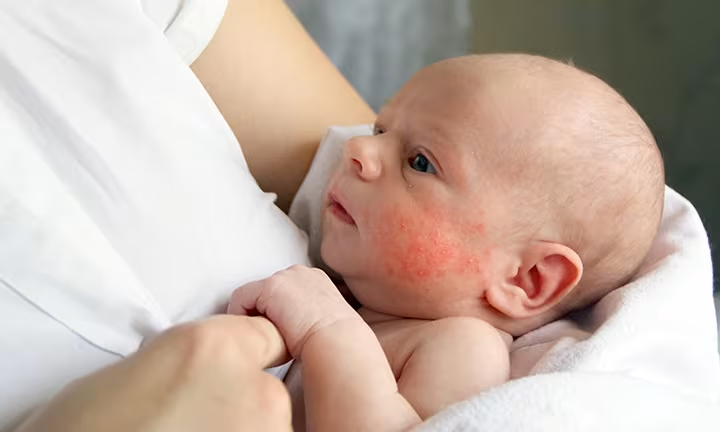
Common Types of Rashes in Newborns and Babies
Does your baby have a rash on the face, belly or back? Learn about the common types of rashes including baby acne, eczema and roseola – causes and treatment.
Read more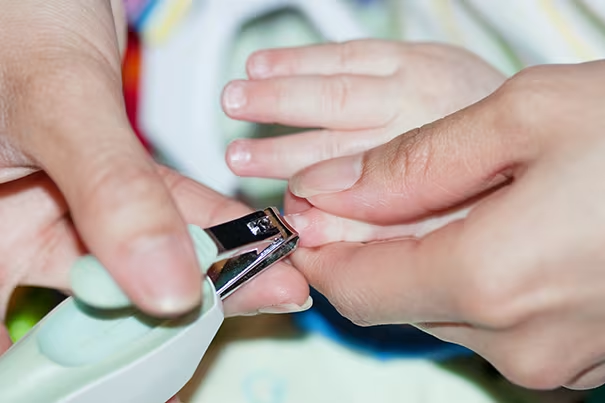
How to Cut Baby Fingernails
Cutting your baby's fingernails for the first time can be a scary, tricky experience. Learn how to do it best with Pampers by using our online guide.
Read more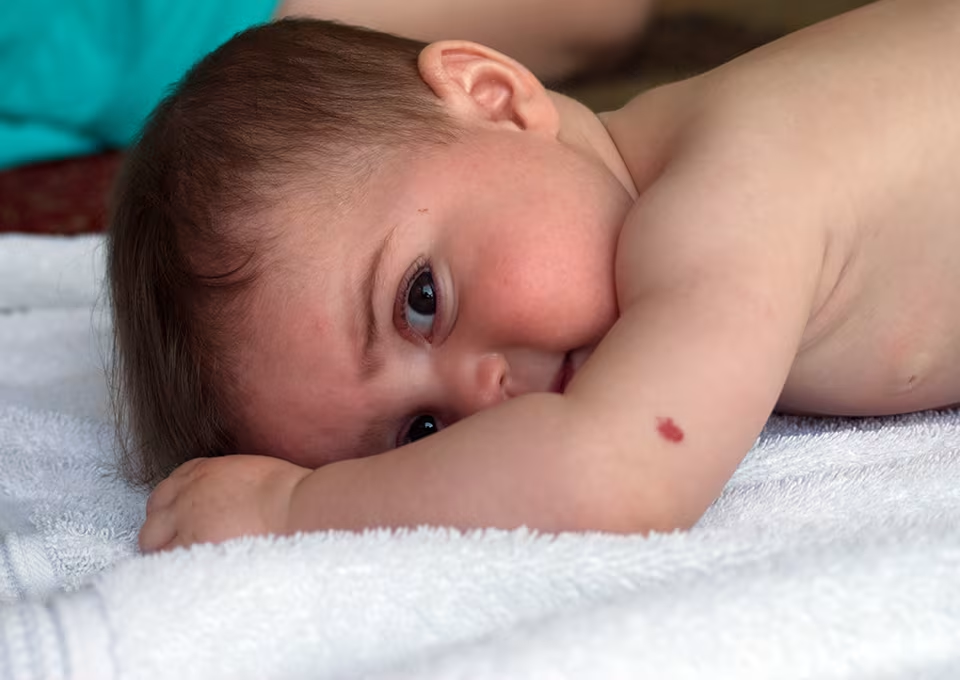
What Is a Birthmark and What Types Are There?
Baby birthmarks come in many shapes and sizes. Some are temporary, others may be permanent. Learn more about the causes of birthmarks and the different types.
Read more
Yeast Nappy Rash: Symptoms, Causes and Treatment
Spot and treat a yeast nappy rash. From antifungal creams to protecting your baby’s delicate skin, we cover everything about nappy rash and yeast infections.
Read more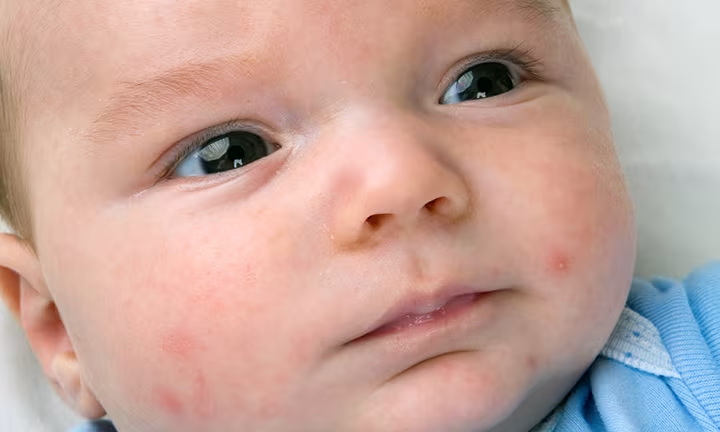
Baby & Newborn Acne: Causes and Treatment
Baby acne usually appears on your newborn's face in the first weeks after birth. Find out more about this common skin condition and what you can do about it.
Read more
Baby Skin Care
Every baby's skin is different, and often a baby will experience problems from dry skin to eczema. Pampers explores the best skin care products.
Read more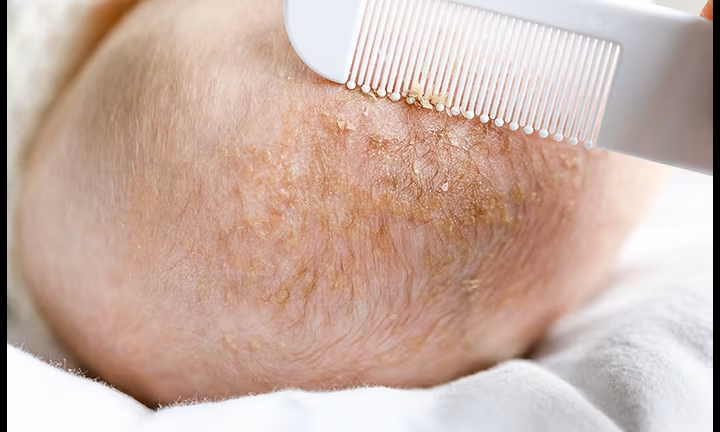
Cradle Cap – Causes, Symptoms and Treatment
Cradle cap is a common symptom for newborns with scales of skin on their scalp. Learn more about what causes cradle cap, its symptoms and treatment.
Read more
All About Ringworm in Babies and Children
Ringworm in babies and toddlers has nothing to do with worms – it's a ring-shaped rash. Learn about the cause, symptoms and treatment of ringworm in children.
Read more
Stork Bites in Infants: Causes and Appearance
Find out what stork bites are on newborns, what causes them, what they look like and how long they stick around. Discover when they normally fade, and when to contact your GP.
Read more
Dry, Peeling Skin in Newborns and Older Infants
It’s totally normal for newborns and older babies to have peeling skin. See what causes it and easy ways you can help prevent your baby’s skin from getting dry.
Read moreCommon Types of Rashes in Newborns and Babies
Does your baby have a rash on the face, belly or back? Learn about the common types of rashes including baby acne, eczema and roseola – causes and treatment.
Read moreHow to Cut Baby Fingernails
Cutting your baby's fingernails for the first time can be a scary, tricky experience. Learn how to do it best with Pampers by using our online guide.
Read moreWhat Is a Birthmark and What Types Are There?
Baby birthmarks come in many shapes and sizes. Some are temporary, others may be permanent. Learn more about the causes of birthmarks and the different types.
Read moreYeast Nappy Rash: Symptoms, Causes and Treatment
Spot and treat a yeast nappy rash. From antifungal creams to protecting your baby’s delicate skin, we cover everything about nappy rash and yeast infections.
Read moreBaby & Newborn Acne: Causes and Treatment
Baby acne usually appears on your newborn's face in the first weeks after birth. Find out more about this common skin condition and what you can do about it.
Read moreBaby Skin Care
Every baby's skin is different, and often a baby will experience problems from dry skin to eczema. Pampers explores the best skin care products.
Read moreCradle Cap – Causes, Symptoms and Treatment
Cradle cap is a common symptom for newborns with scales of skin on their scalp. Learn more about what causes cradle cap, its symptoms and treatment.
Read moreAll About Ringworm in Babies and Children
Ringworm in babies and toddlers has nothing to do with worms – it's a ring-shaped rash. Learn about the cause, symptoms and treatment of ringworm in children.
Read moreJoin Pampers Club and get:
- PAMPERS COUPONS
- TOOLS & QUIZZES
- PARENTING TIPS
 PAMPERS COUPONS
 TOOLS & QUIZZES
 PARENTING TIPS