Cradle Cap – Causes, Symptoms and Treatment


Are you noticing scales or flakes of skin on your baby’s scalp (or elsewhere on your little one’s body)? This may be infantile seborrheic dermatitis, better known as cradle cap. It’s basically dandruff for babies. It’s quite common in babies – according to research, about 4 out of 10 infants will get cradle cap in their first 3 months.
Although it can look a little unpleasant, it’s a harmless condition that doesn’t usually cause your baby any discomfort and usually goes away by itself within a few months. Until then, there are some things you can try to help soothe your baby’s skin until it clears. Read on to find out what is the cause of cradle cap, how long it generally lasts, and how to treat it.
What Is Cradle Cap?
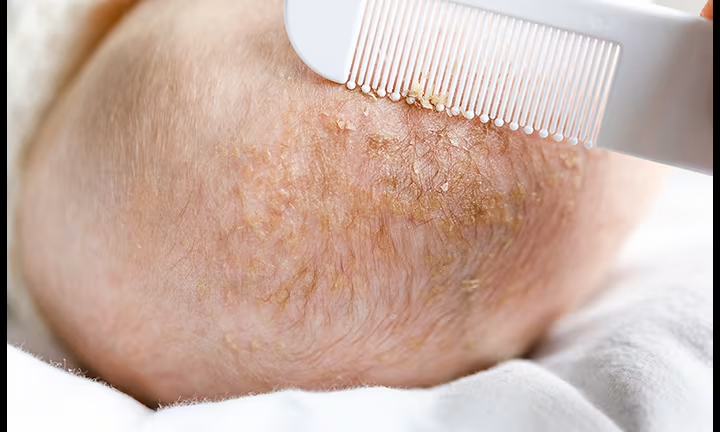
Cradle cap is the common name for the greasy, yellow scaly patches that appear on the scalp of some young babies. The medical name for this skin condition is infantile seborrheic dermatitis.
If your baby does get cradle cap, the symptoms will probably start to appear sometime within the first month or second month after being born.
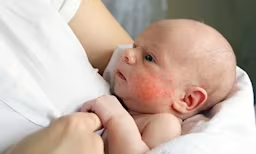
Although cradle cap is most often found on the scalp, it can sometimes appear on other parts of your baby’s body as well, especially the face, eyebrows, ears, neck, armpits, nappy area and behind the knees.
The scales may appear in small patches, but sometimes they can cover the whole of the scalp.
As scales flake off, the surrounding skin may look red. If your baby has hair, some of it might come away with the flakes. This hair loss is only temporary though – those locks will grow back eventually.
The good news is cradle cap isn’t infectious, and it generally isn’t painful or itchy for your baby.
If your baby does seem bothered by itching or pain, or doesn’t seem their usual self, see your doctor for a diagnosis. There may be a chance that this discomfort is caused by a different skin condition like eczema that needs to be ruled out or treated if necessary.

Baby Growth Chart Calculator
Keep an eye on your baby’s height, weight, and head circumference to average growth with our simple tool.
This is a mandatory field.
This is a mandatory field.
This is a mandatory field.
This is a mandatory field.
*Input details of your baby’s last measurements **Source: World Health Organization
What Does Cradle Cap Look Like?
As mentioned above, cradle cap usually occurs on the scalp, but may also be found on other parts of the face and body. It might look like dandruff, flaky, or yellowish, often crusty patches on your baby’s scalp. Underneath the scales, the skin may appear reddish or have patches that are either lighter or darker than the surrounding skin, depending on your baby's skin tone.
How Long Does Cradle Cap Last?
It’s common for babies to develop cradle cap within the first few months after birth, and in general, it usually clears up on its own within 6 to 12 months.
What Causes Cradle Cap?
It’s not known exactly what causes cradle cap, but experts say it’s not caused by poor hygiene or an allergy to something you’re using.
Cradle cap isn’t infectious either, so your baby can’t catch it from another child or family member.
The main culprit is believed to be the sebaceous glands in your baby’s skin, which sometimes produce more skin-protecting oil (known as sebum) than usual in the first few weeks after birth.
It’s also thought that malassezia, a yeast that can be present on your baby’s skin, may trigger a reaction that contributes to the development of cradle cap.
Cradle Cap Treatment
It’s common for parents to wonder how to treat cradle cap. Cradle cap usually clears up on its own within a few weeks or months, without the need for any specialised medical treatment.
Still, the following treatments for cradle cap can help slow or prevent the build-up of scales on your baby’s scalp:
How to Get Rid of Cradle Cap
If normal baby shampoo doesn’t seem to work, ask your pharmacist, health visitor or doctor to recommend an emollient, soap substitute or a shampoo specifically designed for cradle cap.
How to Prevent Cradle Cap
While it’s true that there’s no surefire way to prevent cradle cap, there are a few things you can do that might help keep those pesky flakes at bay. As we mentioned above, you can help cradle cap by regularly shampooing your baby’s hair and gently brushing away the flakes.
Always be gentle with your baby’s skin and avoid picking at the scales. Use gentle, fragrance-free cleansers to avoid irritation or infection.
When to Call Your Doctor
Treating your baby’s cradle cap is usually something you can do yourself at home, but it’s advisable to consult with your doctor if the cradle cap covers your little one’s body or doesn’t seem to get any better after a few weeks of treatment.
Also, see a doctor if the crusts are bleeding or leaking fluid, or if there’s any swelling.
FAQS AT A GLANCE
According to the experts, the best approach to dealing with cradle cap is to wash your baby’s hair regularly and gently with baby shampoo and gently loosen the flakes with a soft brush. If the cradle cap is severe or spreading, a pharmacist can suggest a suitable emollient to use.
The Bottom Line
Cradle cap can look a little worrying at first, but it’s usually harmless and will clear up in time. Following your doctor’s advice, the tips above, as well as some general baby skin care tips can help you ensure that your baby’s skin is protected and healthy.
Read more about Newborn Baby
How to Cut Baby Fingernails
Cutting your baby's fingernails for the first time can be a scary, tricky experience. Learn how to do it best with Pampers by using our online guide.
Read more
What Is a Birthmark and What Types Are There?
Baby birthmarks come in many shapes and sizes. Some are temporary, others may be permanent. Learn more about the causes of birthmarks and the different types.
Read more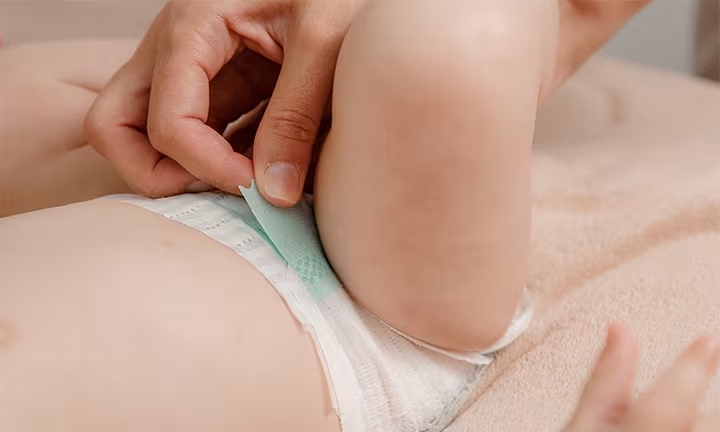
Yeast Nappy Rash: Symptoms, Causes and Treatment
Spot and treat a yeast nappy rash. From antifungal creams to protecting your baby’s delicate skin, we cover everything about nappy rash and yeast infections.
Read more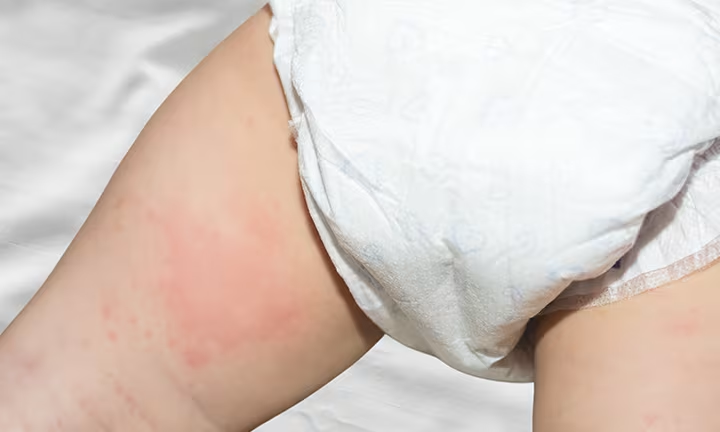
Nappy Rash Bleeding: Causes, Treatment and When to See a GP
Worried about bleeding nappy rash? Discover expert tips to soothe your baby’s skin, prevent irritation, and know when to get medical help.
Read more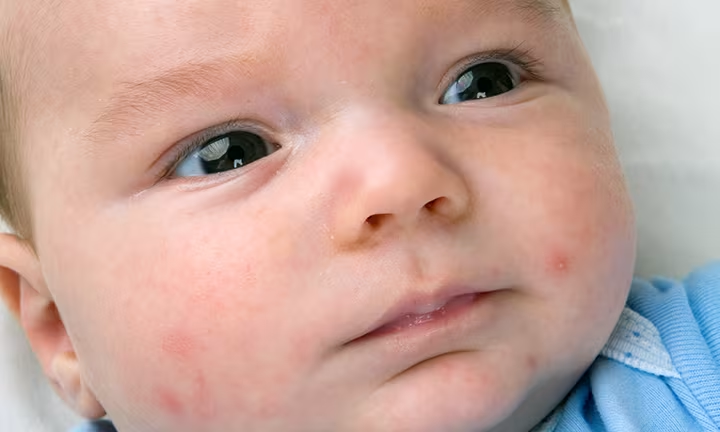
Baby & Newborn Acne: Causes and Treatment
Baby acne usually appears on your newborn's face in the first weeks after birth. Find out more about this common skin condition and what you can do about it.
Read more
Baby Skin Care
Every baby's skin is different, and often a baby will experience problems from dry skin to eczema. Pampers explores the best skin care products.
Read more
All About Ringworm in Babies and Children
Ringworm in babies and toddlers has nothing to do with worms – it's a ring-shaped rash. Learn about the cause, symptoms and treatment of ringworm in children.
Read more
Stork Bites in Infants: Causes and Appearance
Find out what stork bites are on newborns, what causes them, what they look like and how long they stick around. Discover when they normally fade, and when to contact your GP.
Read more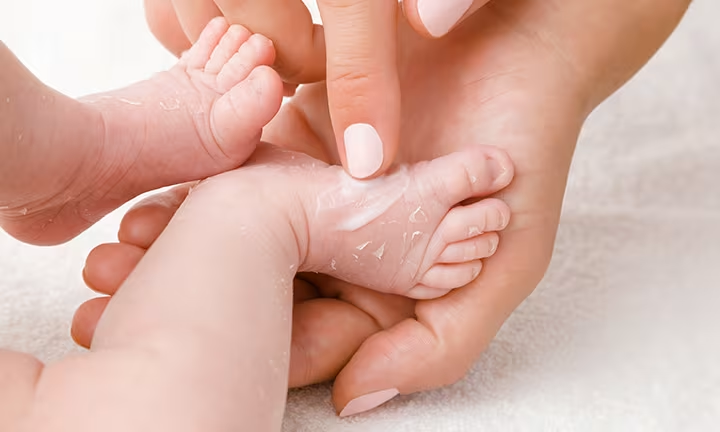
Dry, Peeling Skin in Newborns and Older Infants
It’s totally normal for newborns and older babies to have peeling skin. See what causes it and easy ways you can help prevent your baby’s skin from getting dry.
Read more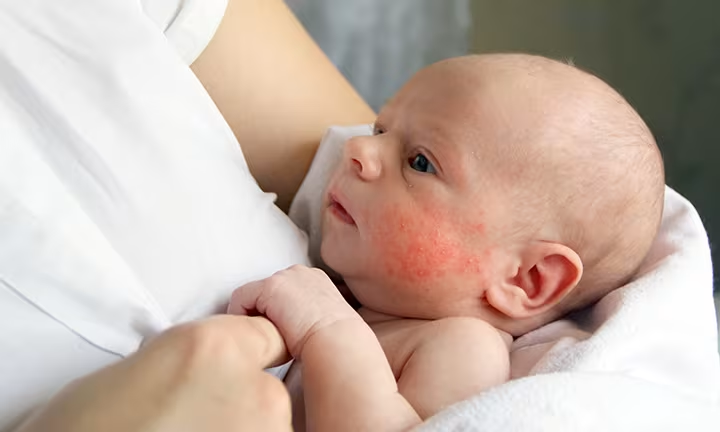
Common Types of Rashes in Newborns and Babies
Does your baby have a rash on the face, belly or back? Learn about the common types of rashes including baby acne, eczema and roseola – causes and treatment.
Read moreHow to Cut Baby Fingernails
Cutting your baby's fingernails for the first time can be a scary, tricky experience. Learn how to do it best with Pampers by using our online guide.
Read moreWhat Is a Birthmark and What Types Are There?
Baby birthmarks come in many shapes and sizes. Some are temporary, others may be permanent. Learn more about the causes of birthmarks and the different types.
Read moreYeast Nappy Rash: Symptoms, Causes and Treatment
Spot and treat a yeast nappy rash. From antifungal creams to protecting your baby’s delicate skin, we cover everything about nappy rash and yeast infections.
Read moreNappy Rash Bleeding: Causes, Treatment and When to See a GP
Worried about bleeding nappy rash? Discover expert tips to soothe your baby’s skin, prevent irritation, and know when to get medical help.
Read moreBaby & Newborn Acne: Causes and Treatment
Baby acne usually appears on your newborn's face in the first weeks after birth. Find out more about this common skin condition and what you can do about it.
Read moreBaby Skin Care
Every baby's skin is different, and often a baby will experience problems from dry skin to eczema. Pampers explores the best skin care products.
Read moreAll About Ringworm in Babies and Children
Ringworm in babies and toddlers has nothing to do with worms – it's a ring-shaped rash. Learn about the cause, symptoms and treatment of ringworm in children.
Read moreStork Bites in Infants: Causes and Appearance
Find out what stork bites are on newborns, what causes them, what they look like and how long they stick around. Discover when they normally fade, and when to contact your GP.
Read moreJoin Pampers Club and get:
- PAMPERS COUPONS
- TOOLS & QUIZZES
- PARENTING TIPS
 PAMPERS COUPONS
 TOOLS & QUIZZES
 PARENTING TIPS