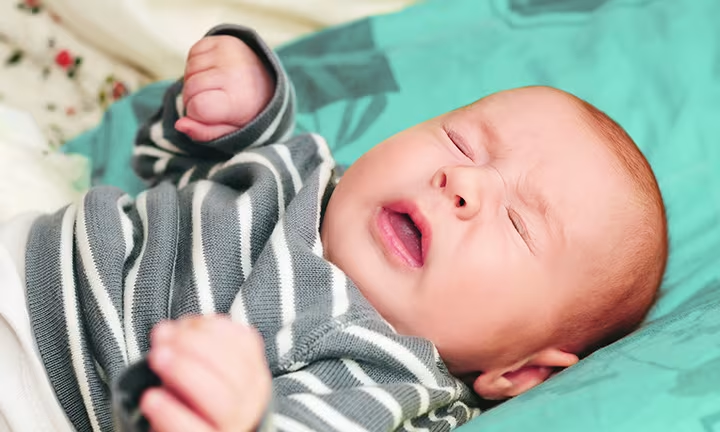
Frequent Sneezing in Newborns & Babies


Are you concerned that your newborn is sneezing frequently? You’re not alone; this is a common worry for new parents. The good news is that sneezing in newborns is usually normal and often a sign of healthy development.
Key Takeaways
Here’s a quick overview to help you understand what is considered normal and what you should be on the lookout for:
Common Reasons for Newborn Sneezing
When Sneezing Might Be a Concern
In most cases, sneezing in newborns is not a cause for concern. However, if you are worried or notice any additional symptoms, it’s always a good idea to consult your baby's GP or health visitor. Keep reading to learn more about the causes of sneezing in newborns, how to identify signs of illness, and simple methods to keep your baby comfortable.
Is it Normal for Newborns to Sneeze?
It is completely normal for newborns to sneeze. This behaviour may surprise you during the early days, especially if your baby sneezes more than you anticipated. In most cases, sneezing in newborns is a healthy, protective and involuntary reflex that helps keep their tiny nasal passages clear.
A good sneeze is your body’s number one way of ejecting germs and common irritants such as dust, fuzz, strong odours, tobacco smoke and other allergens such as pollen and dust mites. In essence, it’s a quick and effective way for your baby to protect themself against illness. It also demonstrates that your little one’s senses are working well, so is generally not a cause for concern.
Babies make a variety of sounds, including snorts, grunts, gurgles and whistles. They have several ways to express themselves or show their discomfort with the environment around them. These might include:
All of these are very common among babies and generally nothing to worry about. They often act as a good indication that your baby is developing their senses. In their first few months of life, your baby is starting to react to the world around them, be it with a laugh and gurgle or a big sneeze.
Pampers® 99% water
Why Do Newborns Sneeze?
Occasional sneezes are nothing to worry about. Nevertheless, you may still find yourself questioning, ‘Why does my baby sneeze so much?’. It may interest you to learn that a lot of parents experience the same concern. It’s entirely natural to question whether your baby is sick and requires medical assistance. Rest assured, it is normal for newborns to sneeze from time to time or a lot at once.
As their nasal passages are so small, they often become blocked or irritated, which may prompt them to let out a little grunt or sneeze. This is all absolutely normal and does not generally indicate anything is wrong.
If your little one is feeding well, seems comfortable, and isn’t showing signs of congestion or fever, infant sneezing is usually nothing to worry about. However, if you’re ever unsure, don’t hesitate to reach out to your baby’s GP or health visitor for reassurance.
In Summary
Wondering why your newborn lets out a cute little achoo from time to time? Sneezing is an important reflex that helps clear your baby’s small nasal passage and eject common germs, irritants and allergens. All in all, sneezing is one of the most important reflexes your little one will develop early on in life.
If you're curious how your little one is growing in other areas, check out our Baby Growth Tool to track their growth as they reach each adorable milestone.

Baby Growth Chart Calculator
Keep an eye on your baby’s height, weight, and head circumference to average growth with our simple tool.
This is a mandatory field.
This is a mandatory field.
This is a mandatory field.
This is a mandatory field.
*Input details of your baby’s last measurements **Source: World Health Organization
When Is Newborn Sneezing a Sign of Illness?
While newborn sneezing is typically nothing to worry about, if you notice your baby sneezing excessively, this could be a sign of respiratory illness. However, it often won’t be the only symptom exhibited by your baby. Sneezing on its own is not usually an indication that anything is wrong, but if accompanied by other symptoms such as a fever, coughing or a blocked nose, your child may have a cold.
We’ll discuss how to differentiate between common cold symptoms, flu symptoms, and potential allergic reactions. Additionally, we’ll cover when it’s important to contact your child's GP or health visitor.
Newborn Sneezing, the Common Cold and Flu
Newborn babies are very delicate, and the same goes for their immune systems. Coughs and colds are extremely common in babies and tend to spike over the autumn and winter months. In fact, it’s normal for a child to have 8 or more colds a year! They can usually be attributed to an infection, and the majority of babies will recover on their own. The most common symptoms of the common cold and flu include:
Other common cold and flu symptoms might include:
If your child has any of the following, you should ring your GP surgery or call NHS 111 – dial 111:
• Laboured/rapid breathing
• A harsh breath noise as they breathe in
• Symptoms of dehydration (sunken eyes, drowsy, or not passing urine for 12 hours)
• Becoming drowsy or excessively sleepy
• A fever of 38°C or above for more than 5 days
• Seems to be getting worse, and you are worried.
In Summary
If you notice your child sneezing, accompanied by a temperature and coughing, they may have a common cold or seasonal flu. This is generally nothing to worry about as common colds are – as the name suggests – very common among newborns and adults alike. Your little one should recover within a few days. However, if you notice any of the symptoms mentioned above, it may be a good idea to take a trip to the doctor’s office.
Newborn Sneezing and Allergies
Pesky seasonal allergies like hay fever aren’t solely limited to adults. Babies can also get a serious case of the sniffles each time spring rolls around. Due to their irritating and blocking effect on the nasal passages, allergies can cause sneezing and other symptoms such as a runny nose. Substances that can cause an allergic reaction are referred to as allergens, and they include:
If your child has an allergy to a certain allergen, they may exhibit some of the following symptoms within a few minutes of exposure:
If your child has any of the above symptoms after spending some time around one of the above allergens, they may have an allergy. For example, if you notice your child sneezing and itching their eyes after playing in a field of grass, they may be suffering from hay fever. It can be helpful to speak to your child’s GP if you think they may have an allergy. They will be able to advise you on the root cause and the best treatment for your little one.
In Summary
Allergies aren’t just limited to grown-ups – your baby may also be affected by them. If you notice your child sneezing excessively or any of the other symptoms listed above after exposure to a common allergen, they could have an allergy. Speak to your child’s GP if you suspect they may have an allergy to find out the best treatment and rule out anything else.
When to Call Your Baby’s GP About Newborn Sneezing
It’s common for newborns to sneeze frequently – this is often just their way of clearing their tiny nasal passages of dust, milk, or other irritants. Sneezing on its own doesn’t usually mean your baby is unwell. However, if your baby also has other symptoms, it may be worth checking in with your GP or health visitor.
For babies under 3 months old, it’s particularly important to keep an eye out for early signs of illness, as their immune systems are still developing.
The NHS advises that you should seek medical advice if your baby:
• Has a temperature of 38 degrees Celsius or higher (or feels abnormally cold
• Is breathing rapidly or seems to be struggling to breathe
• Has a cough or persistent nasal discharge that lasts more than 10 days
• Shows signs of dehydration, such as fewer wet nappies than usual
• Seems unusually drowsy, irritable, or unresponsive.
You know your baby best – if something doesn’t feel right, trust your instincts and speak with your healthcare provider.
Remedies for a Sneezing Newborn
It can often be hard to watch your baby struggling, and the same applies to sneezing. Luckily, sneezing is generally harmless and completely normal for babies. However, in some cases, it may indicate that your child has caught a cold or is suffering from allergies.
If your newborn’s sneezing is caused by a respiratory infection like the common cold or flu, your child’s GP may recommend a number of ways to alleviate your baby’s symptoms. These may include encouraging your child to drink more, offering more frequent smaller feeds, or using saline nose drops or a spray to help with a blocked nose.
On the other hand, if your little one is sneezing due to nasal allergies, the number one tactic is to keep your child away from irritants. However, this isn’t always practical. Here are some things you can do to help manage common irritants:
FAQS AT A GLANCE
Infants' sneezing is generally normal. However, if it occurs alongside a fever, congestion, difficulty feeding, or unusual irritability, it is important to contact your baby's GP or health visitor, especially if your infant is under 3 months old.
The Bottom Line
Sneezing is a completely normal phenomenon among newborns, infants and adults alike. It is one of the natural ways in which your baby’s body gets rid of germs and irritants. In this way, it can actually be a good sign that your little one’s reflexes and senses are working properly.
If you notice that your baby’s sneezing is accompanied by a temperature or cough, this may indicate that they are currently suffering from the common cold or flu. These respiratory illnesses typically clear up on their own with minimal interference after a couple of days, but if you have any concerns, it may be worth speaking to your child’s GP. Sneezing may also be attributable to certain allergies such as hay fever.
Your baby is constantly developing and finding new ways to communicate with you during their first few weeks on the planet. As you track your baby’s growth and development, don’t forget to track your rewards too. Download the Pampers Club App to get digital offers on all your Pampers purchases.
- NCT: Coughs, colds, sore throats and ear infections in babies
- NHS: Cold, coughs and ear infections in children
- NHS: If your child has cold or flu symptoms
- NHS: Understanding your baby
- NHS: Speech and language development from birth to 12 months
- NHS: Your newborn baby
- NHS: Cough/colds (under 1’s)
- NHS: Allergies
Read more about Newborn Baby
All About Warts and Verrucas on Children
Warts on children are common and harmless, although some may be painful. Find out what causes warts and what wart treatments are available for kids.
Read more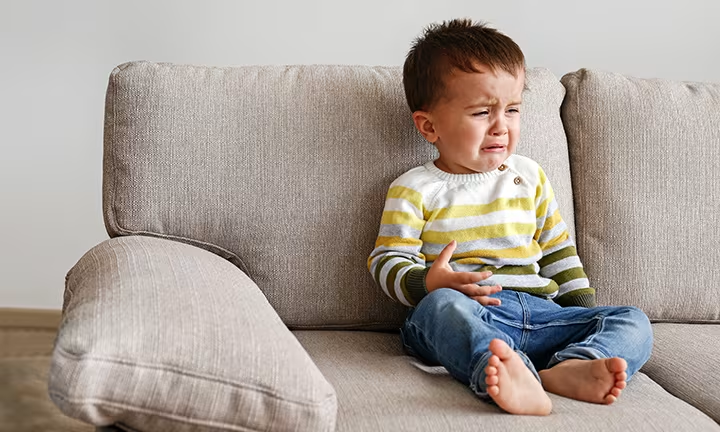
Stomach Pain in Children: Toddler Tummy Aches
Check out quick tips to understand what commonly causes tummy aches for toddlers, and some simple remedies and activities to help stop abdominal pain.
Read more
Hives on Babies - What You Need To Know
Understanding baby hives is crucial for every parent. Dive deep into our comprehensive guide and learn about symptoms and much more about hives in babies.
Read more
Health Review: 2 to 2.5 Years Check-up
Prepare your 2-year-old's check-up with this guide that includes an NHS-endorsed questionnaire. Evaluate their health and developmental progress.
Read more
Health review: 3-year-old check-up
Find out what to expect during your 3-year-old child's scheduled baby check-up at your family doctor or paediatrician.
Read more
Diabetes in Children
Learn about type 1 and type 2 diabetes in toddlers and children, how to recognise the warning signs, and how diabetes can be diagnosed and treated.
Read moreAll About Warts and Verrucas on Children
Warts on children are common and harmless, although some may be painful. Find out what causes warts and what wart treatments are available for kids.
Read moreStomach Pain in Children: Toddler Tummy Aches
Check out quick tips to understand what commonly causes tummy aches for toddlers, and some simple remedies and activities to help stop abdominal pain.
Read moreHives on Babies - What You Need To Know
Understanding baby hives is crucial for every parent. Dive deep into our comprehensive guide and learn about symptoms and much more about hives in babies.
Read moreHealth Review: 2 to 2.5 Years Check-up
Prepare your 2-year-old's check-up with this guide that includes an NHS-endorsed questionnaire. Evaluate their health and developmental progress.
Read moreHealth review: 3-year-old check-up
Find out what to expect during your 3-year-old child's scheduled baby check-up at your family doctor or paediatrician.
Read moreDiabetes in Children
Learn about type 1 and type 2 diabetes in toddlers and children, how to recognise the warning signs, and how diabetes can be diagnosed and treated.
Read moreAll About Warts and Verrucas on Children
Warts on children are common and harmless, although some may be painful. Find out what causes warts and what wart treatments are available for kids.
Read moreStomach Pain in Children: Toddler Tummy Aches
Check out quick tips to understand what commonly causes tummy aches for toddlers, and some simple remedies and activities to help stop abdominal pain.
Read moreJoin Pampers Club and get:
- PAMPERS COUPONS
- TOOLS & QUIZZES
- PARENTING TIPS
 PAMPERS COUPONS
 TOOLS & QUIZZES
 PARENTING TIPS