Can Teething Cause Diarrhoea?


Key Takeaways
Noticed your little one sprouting new teeth and suddenly things are a bit, well, messy in the nappy department? Many parents wonder if teething and diarrhoea really go hand in hand, or if the two are just coincidentally timed. While both teething and diarrhoea during teething periods are pretty common on their own, it’s super helpful to know what’s down to teething and what could be caused by something else. Here’s what you actually need to know.
What Are Typical Teething Symptoms?
When your baby’s teeth are starting to break through, you might spot some new behaviours. Don’t be surprised if your little one shows a few – or even all – of these classic teething signs:
Discover more about the symptoms of teething in our dedicated guide.
Is There a Link: Teething and Diarrhoea?
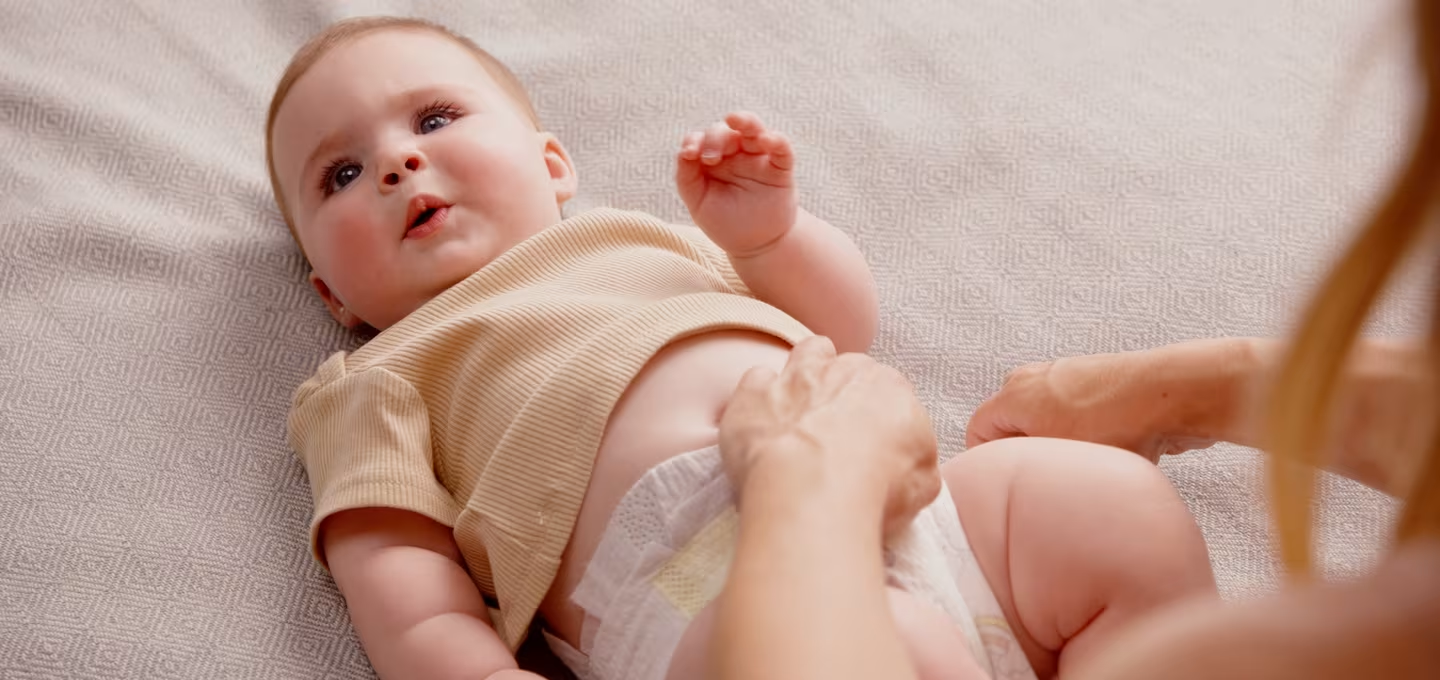
Let’s bust a myth: does teething give you diarrhoea? Teething itself isn’t actually a direct cause of diarrhoea. But, some babies may have changes in their poo around the time their teeth come in – often because that non-stop dribbling means they’re swallowing loads more saliva, which can sometimes make their stools a bit looser.
In medical speak, diarrhoea means three or more extra-runny poos a day. If you notice this, it’s probably not teething alone, but something else is likely going on. Still, many parents ask: 'Do babies get diarrhoea when teething? ' Loose stools may coincide with teething, but true diarrhoea usually suggests another cause.
Reasons Why Your Baby Might Have Diarrhoea:
Bugs and germs
Things like viruses, bacteria or sometimes parasites can also cause diarrhoea.
Antibiotics and other medications
They’re brilliant for fighting bugs, but may upset tummies a little.
Allergies
Babies sometimes react to new foods, like dairy or develop intolerances to something in their diet.
If your baby has diarrhoea during teething or any other time, keep a close eye and consult your health visitor or GP to check what’s up.
Can Teething Lead to Dehydration or Vomiting?
Teething doesn’t bring on vomiting or dehydration. If your baby is being sick or seems to be dehydrated (think sunken cheeks, dry lips, hardly any tears, or fewer wet nappies), it’s likely something else is causing it, especially if it’s teamed up with diarrhoea. Always make sure your baby’s getting plenty of fluids and ring your health professional if you’re worried about dehydration.
What About Fevers and Teething?
Lots of us have heard that teething causes fevers, but actually, it doesn’t usually lead to anything above a mild temperature (nothing over 38°C). If your baby is running a higher fever, it's likely caused by an unrelated illness. Check in with your GP or another health professional if a high temperature shows up, especially with other symptoms like diarrhoea or vomiting. Read our guide to find out more about teething and fevers.

Baby Growth Chart Calculator
Keep an eye on your baby’s height, weight, and head circumference to average growth with our simple tool.
This is a mandatory field.
This is a mandatory field.
This is a mandatory field.
This is a mandatory field.
*Input details of your baby’s last measurements **Source: World Health Organization
What Does ‘Teething Poop’ Look Like?
Some parents notice changes in their baby’s nappies when teeth are popping through. If anything, teething poo might be a bit looser than usual, but shouldn’t be overly runny or watery (that’s proper diarrhoea). The colour may vary, but it typically stays within the normal range of yellow, green or brown. However, a significant change in the colour, consistency or smell of your baby's poop, such as foul-smelling poo, could be a sign of an underlying issue and not directly related to teething. It’s always safest to check with your health professional.
How Long Can Diarrhoea During Teething Last?
If your baby has diarrhoea while teething, remember: the teething itself isn't the main culprit. If runny nappies do show up, keep a note of how long it lasts. If you’re dealing with more than 2–3 days of diarrhoea during teething or it’s paired with things like fever or being sick, definitely get in touch with a health professional to rule out anything more serious and keep your little one hydrated.
How to Treat Diarrhoea if it Happens While Teething
When your baby does get diarrhoea (whether teething or not), here are some handy tips to keep them comfortable and speed up recovery:
Keep your baby hydrated
Keep your baby hydrated
Little ones can get dehydrated easily. Stick to breast milk or formula as usual. If your baby’s already eating solids and your GP recommends, offer small sips of water or a special hydration drink. Remember, before the age of about 6 months, your baby will get all the fluid they need from breastmilk or formula.
Monitor their diet
Monitor their diet
If they’re on solids, go for plain stuff: bananas, rice, apple sauce, toast (the BRAT combo). Avoid milk, sweets or juices that may stir up tummies even more. When it comes time, go at your baby's pace during weaning from breast milk or formula to solid food.
Look after that bottom,
Look after that bottom,
especially if you’re changing LOTS of nappies. Practice good hygiene by washing your hands and all surfaces thoroughly before and after nappy changes. Change nappies often and use a gentle barrier cream to help stop nappy rash cropping up.
When Should You Call Your Health Professional?
Most teething issues are nothing to worry about, but there are times you should contact your healthcare professional. If your baby has:
If you’re ever in doubt, trust your gut – your instincts are usually spot on. If it doesn’t seem right, reach out to your GP or another health professional.
FAQs at a Glance
Teething might make nappies a bit looser thanks to extra dribble, but runny, frequent diarrhoea usually stems from something else entirely. If you’re wondering, will teething cause diarrhoea or messy nappies, it’s best to check for other causes too.
The Bottom Line
Teething and diarrhoea can be a challenge, but knowing what’s just par for the course – and what’s not – helps you feel more relaxed. If you need more ideas to soothe your teething baby, read our handy guide.
Remember, you can get rewards on all your Pampers nappies and wipes – just download the Pampers Club app to get started. Every little win in parenthood is worth celebrating!
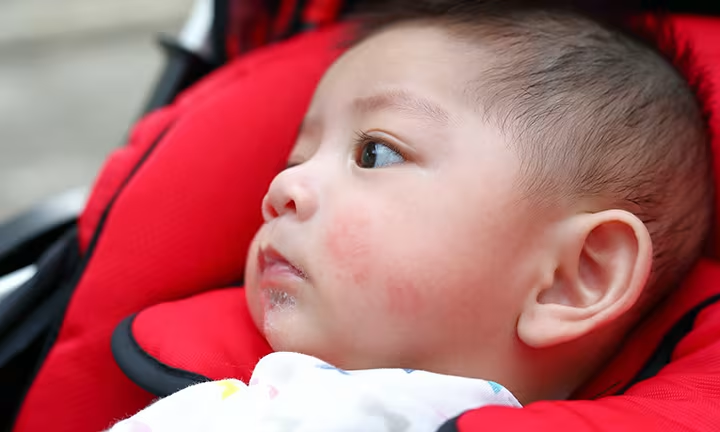
All About Teething Rash: Treatment and Prevention
Dribbling and red cheeks? Understand what causes teething rash and how to calm your baby’s sensitive skin quickly and gently.
Read more
Teething and Nappy Rash: What’s the Connection & How to Help
Does teething cause a nappy rash? Discover the truth, signs to look for, and expert-backed tips to soothe and protect your baby’s skin during teething.
Read more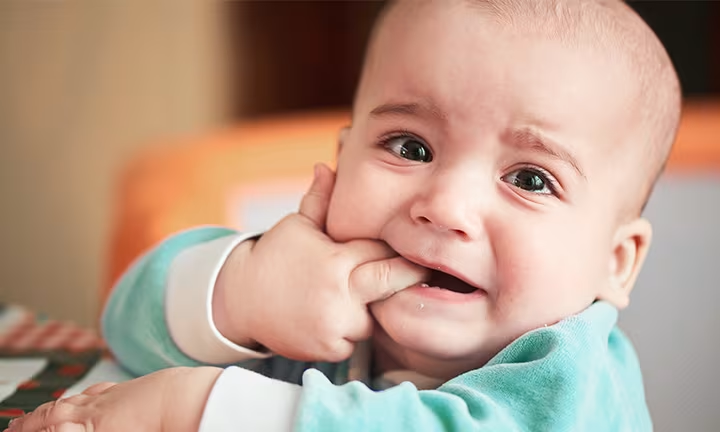
Can Teething Really Cause a Fever?
You may wonder if your baby's fever is related to teething, however, there’s no direct link between the two. Read on for more.
Read more
Tips for Soothing Your Teething Baby
It can be difficult to watch if your baby has teething discomfort or pain, but there are some pain relief methods and remedies you can try.
Read moreAll About Teething Rash: Treatment and Prevention
Dribbling and red cheeks? Understand what causes teething rash and how to calm your baby’s sensitive skin quickly and gently.
Read moreTeething and Nappy Rash: What’s the Connection & How to Help
Does teething cause a nappy rash? Discover the truth, signs to look for, and expert-backed tips to soothe and protect your baby’s skin during teething.
Read moreCan Teething Really Cause a Fever?
You may wonder if your baby's fever is related to teething, however, there’s no direct link between the two. Read on for more.
Read moreTips for Soothing Your Teething Baby
It can be difficult to watch if your baby has teething discomfort or pain, but there are some pain relief methods and remedies you can try.
Read moreAll About Teething Rash: Treatment and Prevention
Dribbling and red cheeks? Understand what causes teething rash and how to calm your baby’s sensitive skin quickly and gently.
Read moreTeething and Nappy Rash: What’s the Connection & How to Help
Does teething cause a nappy rash? Discover the truth, signs to look for, and expert-backed tips to soothe and protect your baby’s skin during teething.
Read moreCan Teething Really Cause a Fever?
You may wonder if your baby's fever is related to teething, however, there’s no direct link between the two. Read on for more.
Read moreTips for Soothing Your Teething Baby
It can be difficult to watch if your baby has teething discomfort or pain, but there are some pain relief methods and remedies you can try.
Read moreJoin Pampers Club and get:
- PAMPERS COUPONS
- TOOLS & QUIZZES
- PARENTING TIPS
 PAMPERS COUPONS
 TOOLS & QUIZZES
 PARENTING TIPS