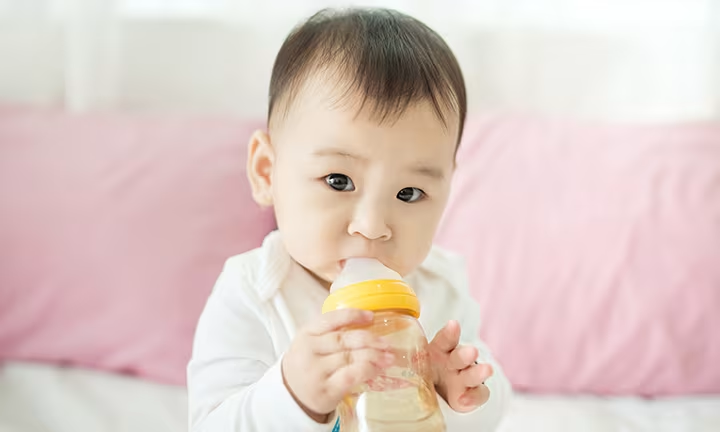
Dehydration in Babies: Symptoms, Treatment and Prevention


As a parent, you want to do everything possible to keep your baby healthy. Even so, things like a fever, vomiting or a particularly hot day can lead to dehydration.
Learn about the signs and symptoms of dehydration in babies, toddlers and older children, how you can prevent dehydration to begin with and what to do if your baby does become dehydrated.
What Is Dehydration?
Our bodies need water and other fluids to function properly. Over the course of a day, it’s normal for your baby to lose and replenish water – sweating, crying, peeing and doing poos are all ways of losing water. That water is replaced when your little one feeds, eats or drinks.
Dehydration can occur if your baby or toddler loses more fluid than he or she takes in. This applies to adults and kids alike, but dehydration tends to happen more easily in babies and young children than in grown-ups.
Dehydration is usually easy to treat but can be serious if it isn’t dealt with immediately. This is why it’s important to recognise the signs and symptoms and get treatment as soon as possible.
Signs and Symptoms of Dehydration in Babies and Children
Signs of dehydration in your baby or toddler can include:
If your baby or child shows any of these signs of dehydration, call your doctor or health visitor immediately or visit your local A&E unit.
Dehydration Treatment
The treatment for dehydration aims to replace the missing fluids, minerals salts and sugars. The ways of doing this can vary from simply administering a rehydration solution to the replacement of fluids via an intravenous drip.
Precisely which treatment is needed depends on various factors, including your baby’s age and how severe the dehydration is.
This is why it’s essential to call your doctor or visit A&E if you notice signs of dehydration in your baby or toddler: Your child needs to be assessed so any urgent treatment can be given, if needed.
After this, based on your child’s age and an assessment of the symptoms, you may be advised to
What Causes Dehydration?
Dehydration can happen more easily when children have diarrhoea, vomiting or a fever, or during hot weather. Find out more about these causes of dehydration below.
Diarrhoea
An occasional loose stool is nothing to worry about, but sometimes your baby or toddler may get diarrhoea due to a tummy bug or other illness.
When diarrhoea strikes, important minerals and salts are also lost along with the water through your child's stools, and this can lead to dehydration.
Vomiting
Many illnesses, including stomach viruses or food poisoning, can cause vomiting, which in turn can lead to dehydration.
To prevent dehydration, it's important to ensure that your child is getting extra fluids. If your little one can’t keep the fluids down, call 111 or speak to your health visitor or doctor, who can advise on next steps.
Fever
A fever (a high temperature of 38 degrees Celsius or higher) is your child’s natural response to infection. However, it can also lead to dehydration by causing your child to lose fluids more quickly.
Hot Weather
Babies and young children can easily become dehydrated in hot weather. You may need to give more frequent feeds if you are exclusively breastfeeding.
If you are bottle-feeding your baby, you can usually give him or her small amounts of cooled boiled water after his or her regular feeds.
If your baby is already on solids, you may need to offer extra water with meals and snacks to keep your little one hydrated in hot weather.
Find out more about when your baby can start drinking water.
As well as making sure your child gets enough fluid during the warmer months, you should also protect him or her from the sun. Besides helping to prevent dehydration, this is important for preventing baby sunburn and other hot-weather conditions like heatstroke.
When to See a Doctor
Let your doctor or health visitor know straight away if you notice any signs or symptoms of dehydration in your baby, toddler or older child.
It’s also important to tell your health visitor or doctor if you think your child may not be getting enough fluids – for example, if he or she is vomiting and can’t keep fluids down, or isn’t feeding or drinking enough.
Preventing Dehydration
It’s important to make sure your baby gets the right amount of fluid at all times, but – to prevent dehydration – this is especially important when he or she has an illness that causes fever, diarrhoea, or vomiting.
If you’re worried that your child is losing too much fluid, ask your pharmacist to recommend an oral rehydration solution that is suitable for your child. This comes in the form of a sachet containing powder that can be mixed with water to drink. It helps to replace the sugar, salts and other minerals that may have been lost.
Preventing Dehydration in Hot Weather
If you are outside on a hot summer's day with your child, stay in the shade whenever possible and avoid direct sunlight – especially if your baby is less than 6 months old.
These steps can also help ensure your child is well-hydrated during hot weather:
No matter the weather, here’s a rough idea of at least how much fluid your child needs per day. More may be needed in hot weather. Keep in mind, this will be topped up as there is water in foods like fruit, soups, and vegetables.
How Much Fluid Does Your Child Need in a Day?*
| Age | How many (approx. 150 ml) glasses? | Total quantity |
| 1-2 years | 6 | 900 ml |
| 3-4 years | 6-7 | 1000 ml |
| 5-8 years | 8 | 1200 |
FAQS AT A GLANCE
Signs of dehydration can include:
- Dry mouth
- Few or no tears when crying
- Sunken eyes
- Dark yellow wee, or no wee in the last 12 hours
- Fewer wet nappies than usual
- Sunken fontanelle (the soft spot on your baby’s head)
- Drowsiness
- Fast breathing
- Cold, blotchy hands and feet.
Call your doctor or health visitor immediately or visit your local A&E unit if you notice any of these symptoms.
The Bottom Line
Now you know what to look for, you'll hopefully be able to recognise the signs of dehydration and get treatment straight away. If you are worried that your child may be dehydrated or not getting enough fluid, try not to panic: Dehydration in babies can be scary, but your health visitor or doctor will know what to do.
Of course, it’s safest to prevent your little one getting dehydrated in the first place, so make sure your baby is getting plenty of fluids – especially if he or she is ill or the weather’s hot.
The information in this article is based on the expert advice found in trusted medical and government sources, such as the National Health Service (NHS). You can find a full list of sources used for this article below. The content on this page should not replace professional medical advice. Always consult medical professionals for full diagnosis and treatment.

When Can I Give Baby Rice to My Child?
Baby rice can usually be introduced to babies once they reach six months, together with other solids. Find out more about when and how to introduce rice cereal to your baby.
Read more
Food Allergies in Babies
Read about the most common food allergies in babies, how to spot the symptoms of an allergic reaction and find out when to take your baby to a doctor.
Read more
Eat out with kids
The first step in helping to ensure that eating out with your baby is a stress-free experience is ensuring that the restaurant is family-friendly.
Read more
Feeding your baby: 3 tips to getting it right
Feeding your baby is an ideal opportunity to bond together. Follow these guidelines on how and what to feed your baby, dependent on their age.
Read more
When Can Babies Have Honey?
Decoding the reasons why babies can't have honey. Learn about the safe age to introduce it into their diet, and gain insights from this article.
Read more
When Can Babies Have Water?
Find out at what age to start giving your baby water and how much water your baby should drink.
Read more
Weaning: When and How to Wean Your Baby?
Weaning is transitioning your baby from breast milk or formula to solids. Learn how to wean your baby and how to stop breastfeeding when the time comes.
Read moreWhen Can I Give Baby Rice to My Child?
Baby rice can usually be introduced to babies once they reach six months, together with other solids. Find out more about when and how to introduce rice cereal to your baby.
Read moreFood Allergies in Babies
Read about the most common food allergies in babies, how to spot the symptoms of an allergic reaction and find out when to take your baby to a doctor.
Read moreEat out with kids
The first step in helping to ensure that eating out with your baby is a stress-free experience is ensuring that the restaurant is family-friendly.
Read moreFeeding your baby: 3 tips to getting it right
Feeding your baby is an ideal opportunity to bond together. Follow these guidelines on how and what to feed your baby, dependent on their age.
Read moreWhen Can Babies Have Honey?
Decoding the reasons why babies can't have honey. Learn about the safe age to introduce it into their diet, and gain insights from this article.
Read moreWhen Can Babies Have Water?
Find out at what age to start giving your baby water and how much water your baby should drink.
Read moreWeaning: When and How to Wean Your Baby?
Weaning is transitioning your baby from breast milk or formula to solids. Learn how to wean your baby and how to stop breastfeeding when the time comes.
Read moreWhen Can I Give Baby Rice to My Child?
Baby rice can usually be introduced to babies once they reach six months, together with other solids. Find out more about when and how to introduce rice cereal to your baby.
Read more