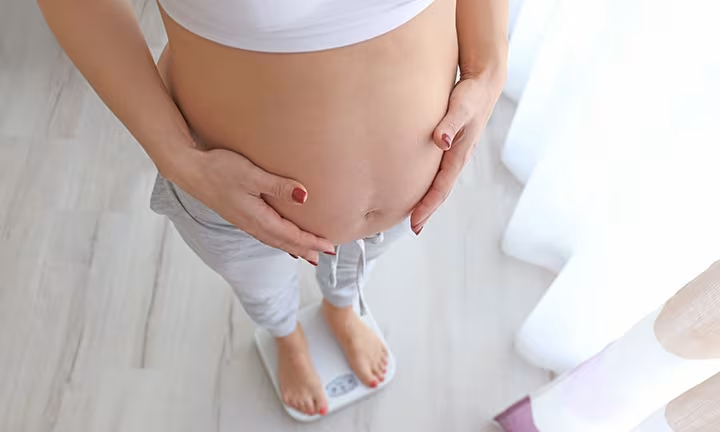
Pregnancy Weight Gain: All You Need to Know


During pregnancy, it’s perfectly normal and healthy to gain a few extra kilos of weight. We can’t tell you exactly how much weight is normal and healthy to gain during pregnancy – this depends on factors like your starting weight and whether you’re having a single baby or multiples.
We can, however, tell you how to achieve healthy weight gain in pregnancy, what makes up those extra kilograms you’re gaining, and how many extra calories you may need now that you’re pregnant. Scroll down to find out more.

How Much Weight Should You Gain During Pregnancy?
It’s very common for people to wonder how much weight to gain in pregnancy. The average weight gained during pregnancy is 10 to 12.5 kg; however, no two pregnant people are the same, which is why the average recommended weight gain in pregnancy will mostly depend on whether you had a normal weight, or were underweight or overweight, before you became pregnant. This is determined by your pre-pregnancy BMI.
The general rule of thumb is that if you have a low BMI, then your recommended weight gain will be more than for someone with a higher BMI. If you’re uncertain about what’s right for you, talk to your doctor or midwife about the healthy amount of weight for you to gain during your pregnancy.
What Is BMI?
BMI is short for body mass index, which is a ratio derived by calculating your weight (in kilograms) divided by your height (in metres), squared. It offers an estimate for measuring body fat.
Search online for a BMI calculator or chart to help you find your pre-pregnancy result and use it – along with the chart below – to find out what’s a healthy average pregnancy weight gain for someone of your build and height.
What if You’re Pregnant With Twins?
If you’re pregnant with twins or triplets, you might gain a bit more weight than a pregnant person who’s carrying a single baby. This is perfectly normal.
You don’t need to eat much more though. In fact, the advice from experts is more or less the same whether you’re pregnant with one or more babies. That is, avoid sugary drinks and snacks and stick to a healthy diet that includes
If you’re pregnant with multiples, you might have a slightly higher risk of anaemia (iron deficiency), so your doctor may offer you iron supplements. You can also try and boost your iron intake by eating more foods that are rich in this mineral, such as lean red meat, leafy green vegetables, beans and iron-fortified breakfast cereals.
Where Does the Weight Gain in Pregnancy Come From?
Typically, only a small portion of the weight you gain in pregnancy is actually fat. The average weight gained during pregnancy is 10 to 12.5 kg. Here is a breakdown of what that’s made up of:

Why Do You Gain Weight During Pregnancy?
Much of the extra weight you normally gain during pregnancy is to provide your growing foetus with the nourishment and protection they need to develop and grow inside your uterus.
The extra blood and fluid circulating around your body, for example, is needed to carry oxygen and nutrients to your little one via the placenta (which itself adds around a kilogram to your weight while you’re pregnant).
The amniotic fluid helps keep your foetus at the right temperature and cushions them from any knocks or bumps.
In fact, most of this extra weight amounts to a complete life support system for your little one – how amazing is that?
Of course, you’ll lose most of the weight you gained in pregnancy when your baby is born, but you will still need those extra fat stores to fuel breast milk production.
Pregnancy Weight Gain Calculator
Fill out your details:
Recommended Weight Gain During Pregnancy
To help promote a healthy, gradual pregnancy weight gain during each trimester, you and your midwife or doctor may rely on the following guidelines:
The guidelines may vary depending on your BMI and other factors, such as if you’re expecting twins or multiples. It’s always best to talk to your midwife or doctor before adjusting your diet during pregnancy.
Pregnancy Weight Gain Chart
To get an idea of what’s considered to be normal weight gain in pregnancy, first work out your starting BMI (before pregnancy) (or use an online calculator) and check it against our pregnancy weight gain chart below to find your approximate recommended weight gain during pregnancy.
If your weight isn’t in the normal range, don’t panic: Your midwife can advise you on how to maintain a healthy diet.
Most pregnant people who are above the average weight range for their BMI, will give birth to a healthy baby. However, being overweight can increase the risk of complications during your pregnancy, including gestational diabetes or the rare but serious blood pressure condition preeclampsia.

Dieting to lose weight during pregnancy is not safe for your foetus, but you may be able to lower the risks by switching to a healthier diet or taking steps not to gain any more weight than necessary.
Attending all your antenatal appointments is a good way of ensuring that any problems are spotted and dealt with in good time, as your weight will be monitored at these visits.
If you have a BMI of more than 30, your midwife may recommend a different schedule of antenatal care, with extra tests and monitoring to manage the higher risks.
Pregnancy Weight Gain: Week by Week
A steady increase in weight throughout your pregnancy is beneficial, and keeping an eye on your weight gain week by week within each trimester can give you a broad idea of your progress. This article offers guidance on what’s the average weight gain during a healthy pregnancy, if you're expecting one baby and starting from a usual BMI. If your pre-pregnancy BMI is lower or higher than average, or if you’re expecting twins or more, consult your midwife or doctor concerning the optimal weight gain for you. This guide is primarily for your general understanding.
Pregnancy Weight Gain: First Trimester
The first trimester typically encompasses weeks 1 to 12. Bear in mind that in these early stages of pregnancy, you probably won’t gain much weight. So, how much weight do you gain in early pregnancy? It varies from person to person. However, for an average pregnancy, you might gain up to 0.5 kilograms (five pounds) in the first three months, despite the possibility of weight loss during this first period.
Pregnancy Weight Gain: Second Trimester
When do you truly start gaining weight in your pregnancy? During your second trimester, which typically includes weeks 13 to 27, is when you might begin to see that gradual weight gain. Generally, pregnant people gain the majority of their pregnancy weight after week 20. As mentioned above, talk to your midwife or doctor about whether you need to increase your daily calorie intake.
Pregnancy Weight Gain: Third Trimester
The third trimester typically consists of weeks 28 to 40 and beyond. At this point in your pregnancy, your weight gain may start to look fairly consistent at around 0.5 kilograms per week. So, how much weight do you gain in the third trimester of pregnancy and what’s a healthy range? Keep in mind that healthy weight gain in pregnancy is different for each person.
| Weeks | Trimester | Potential Weight Gain |
|---|---|---|
| 1 to 12 | 1 | Weight loss or up to 0.5 kilograms |
| 13 to 27 | 2 | Up to 5 kilograms, or so |
| 28 to 35 | 3 | Up to 5.4 kilograms, or so |
| 36+ | 3 | No gain or up to 1 or 2 kilograms |
How to Maintain a Healthy Weight During Pregnancy
Everyone is different, so that means your pregnancy weight gain will be specific to you. Your pre-pregnancy BMI will impact how much weight you are advised to gain, as will other factors. Here are some general tips for maintaining a healthy weight during pregnancy.
If you have food intolerances or follow a special diet, your doctor will be able to help you tailor your diet to ensure you’re getting the nutrients you need. In some cases, your doctor may recommend you take extra prenatal vitamins if you’re not getting enough of certain vitamins or minerals through diet alone.
If you’re overweight or underweight, your midwife may give you some extra nutrition advice so both you and your little one stay healthy throughout the duration of your pregnancy.
By the way, there are some foods you should avoid eating while pregnant, so read up on them too!
FAQS AT A GLANCE
If you’re wondering how much weight gain is normal and healthy during pregnancy, the answer varies from person to person and depends on your pre-pregnancy weight. On average, most pregnant people gain 10 to 12.5 kg during pregnancy.
The Bottom Line
The most important thing during your pregnancy is your health and that of your baby. Here are a few things to remember when it comes to pregnancy weight gain:
- NCT: Pregnancy Weight Gain: What’s Normal in Stones and Kg.
- NHS: 4 to 8 Weeks
- NHS: Antenatal Care With Twins
- NHS: BMI healthy weight calculator
- NHS: Have a healthy diet in pregnancy
- NHS: Week-by-Week Guide to Pregnancy
- NHS: Week 10
- NHS: Week 11
- NHS: Week 12
- NHS: Week 16
- NHS: Week 27
- NHS: Week 32
- NHS: Weight Gain in Pregnancy
- NHS: Weight Gain in Pregnancy – OptiMUM
- Tommy’s: How Much Weight Should I Gain in Pregnancy?
- Tommy’s: Questions About Weight in Pregnancy

Linea Nigra: What It Is and When Does It Appear?
Discover all about the linea nigra: dark line that appears on the belly during pregnancy. What are the causes, and when does it appear and go away?
Read more
What Is Lightning Crotch in Pregnancy?
Learn all about lightning crotch pain during pregnancy; what causes this sharp vaginal pain, when it occurs and how to relieve any discomfort.
Read more
Itching During Pregnancy
An itchy body during the night or itchy nipples can signify pregnancy. Discover the causes and remedies for your itching during pregnancy here.
Read more
Hyperemesis Gravidarum: Severe Nausea During Pregnancy
Seeking clarity on the disconcerting problem of hyperemesis or hyperemesis gravidarum during pregnancy? Navigate your way through their symptoms.
Read more
Your Baby Bump – When Does It Show?
When does a baby bump start to show? We've got all the details on typical pregnancy symptoms that accompany an expanding baby bump week by week.
Read more
How To Relieve Heartburn During Pregnancy
How to attain pregnancy heartburn relief at night. Understand when heartburn starts in pregnancy and learn overnight solutions for comfortable sleep.
Read more
Managing Pelvic Girdle Pain (PGP) in Pregnancy
Find ways to manage pelvic girdle pain during pregnancy, with insights on causes, symptoms and relief options for a more comfortable experience.
Read more
Pregnancy Warning Signs You Should Not Ignore
Although serious complications in pregnancy are quite rare, it is important to know when something might not be quite right. Here’s our advice on when to consult your doctor.
Read more
Mood Swings During Pregnancy
Learn about what causes mood swings during pregnancy, as well as a number of methods on how to control them effectively.
Read more
Differences in Pregnancy Symptoms During a Second Pregnancy
While some symptoms will be familiar, some may be new during your second pregnancy. Here’s our take on what to expect the second time around.
Read moreLinea Nigra: What It Is and When Does It Appear?
Discover all about the linea nigra: dark line that appears on the belly during pregnancy. What are the causes, and when does it appear and go away?
Read moreWhat Is Lightning Crotch in Pregnancy?
Learn all about lightning crotch pain during pregnancy; what causes this sharp vaginal pain, when it occurs and how to relieve any discomfort.
Read moreItching During Pregnancy
An itchy body during the night or itchy nipples can signify pregnancy. Discover the causes and remedies for your itching during pregnancy here.
Read moreHyperemesis Gravidarum: Severe Nausea During Pregnancy
Seeking clarity on the disconcerting problem of hyperemesis or hyperemesis gravidarum during pregnancy? Navigate your way through their symptoms.
Read moreYour Baby Bump – When Does It Show?
When does a baby bump start to show? We've got all the details on typical pregnancy symptoms that accompany an expanding baby bump week by week.
Read moreHow To Relieve Heartburn During Pregnancy
How to attain pregnancy heartburn relief at night. Understand when heartburn starts in pregnancy and learn overnight solutions for comfortable sleep.
Read moreManaging Pelvic Girdle Pain (PGP) in Pregnancy
Find ways to manage pelvic girdle pain during pregnancy, with insights on causes, symptoms and relief options for a more comfortable experience.
Read morePregnancy Warning Signs You Should Not Ignore
Although serious complications in pregnancy are quite rare, it is important to know when something might not be quite right. Here’s our advice on when to consult your doctor.
Read moreJoin Pampers Club and get:
- PAMPERS COUPONS
- TOOLS & QUIZZES
- PARENTING TIPS
 PAMPERS COUPONS
 TOOLS & QUIZZES
 PARENTING TIPS