Hospital Bag Checklist – What to Pack for Mum, Baby and Partner


Key Takeaways
A well-packed hospital bag is one of the simplest ways to feel ready for labour - aim to have it packed by around week 36, keep it to one bag per person, and organise it into three clear sections: one for mum, one for baby and one for your birth partner. This straightforward approach removes last-minute stress and gives you real peace of mind on the big day.
For mum, the essentials cover hospital notes, birth plan, a comfortable dressing gown and nightdress, toiletries, phone and long charger, snacks and nursing bras or breast pads. For baby, focus on 20–24 newborn nappies, wipes, several bodysuits or sleepsuits, a hat, scratch mittens, a blanket and a going-home outfit. For the birth partner, pack a change of clothes, toiletries, snacks and drinks, phone charger, spare change for the car park and swimwear if a birth pool is planned.
In this article, you'll find a full hospital bag packing list by category, a dedicated answer on whether to bring your own nappies, tips for a C-section bag and a printable checklist to help you tick everything off before your baby arrives.

Pampers® Premium Protection New Baby
When Should I Pack My Hospital Bag?
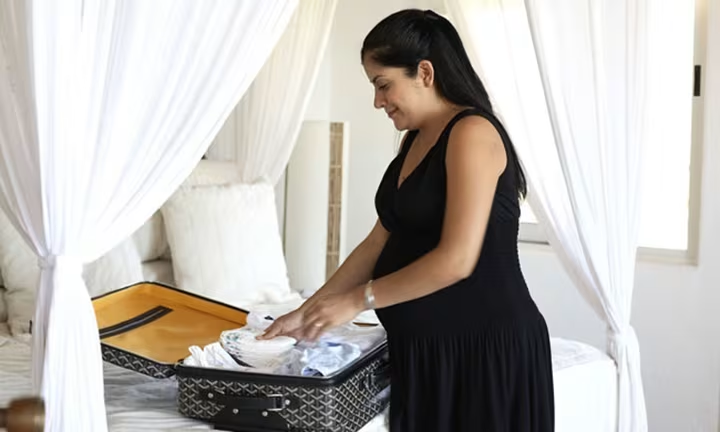
Are you wondering, 'When should I pack my hospital bag'? Your baby might arrive earlier than expected, so it's worth having your hospital bag (or bags if you want one for before and after delivery) packed during the third trimester – at about week 36 − just in case. You might find it easier to pack with your birth partner so you can both double-check you haven't forgotten anything.
Then, once all the bags are packed, keep them handy, either in the car or near the door, so you'll be ready to go at a moment's notice.
Keep reading for a full list of what to pack in your bag for the hospital and download your hospital bag checklist below!

What Do You Actually Need in a Hospital Bag? A Practical Checklist by Category
You actually need far less than most first-time parents assume - one well-organised bag containing labour essentials for mum, newborn basics for baby and comfort items for your birth partner will cover a typical one- to two-night stay. Use the checklist below to pack by category so nothing is forgotten and nothing is duplicated.
For Mum: Labour & Delivery
For Mum: After Delivery
For Baby
For Your Birth Partner
Many parents find they overpack clothes and underpack snacks, phone chargers and comfort items. If you're unsure, favour a longer charging cable, extra nappies and a familiar pillow over an additional change of outfit - you'll almost certainly spend most of your stay in a nightdress or dressing gown.
What to Pack in the Hospital Bag for Mum (Labour and Delivery)
For labour and delivery itself, focus on what will keep you comfortable, distracted and supported during contractions and the hours immediately after birth. Pack the following essentials into an easy-to-access section of your bag.
Hospital notes
Keep your maternity records in the bag so your care team can see your history at a glance.
Bring a couple of printed copies so everyone supporting you can refer to it if questions come up
Dressing gown
A soft dressing gown is useful for pacing during labour and for the ward afterwards.
Socks
Feet often feel cold during labour, so a warm pair helps.
Slippers and flip-flops
Slippers for walking the ward and flip-flops for the shower.
TENS machine
If you plan to use one, pack it with spare batteries - the NHS lists this as a helpful labour comfort tool.
Lip balm
Breathing techniques can leave lips dry, so keep a balm to hand.
Body lotion or massage oil
Handy if massage is part of your comfort plan during labour.
Water spray and sponge
A cool spray or sponge on the face and neck can be soothing between contractions.
Hand sanitiser and towels
Both are recommended by the NHS and useful throughout your stay.
Comfortable pillow(s)
A familiar pillow from home can make ward beds feel more comfortable.
Long phone-charging cable or portable battery pack
Sockets may not be near the bed, so a long cable or power bank is invaluable.
Relaxing entertainment
A book, tablet with downloaded shows, or music player helps pass slower stretches of labour.
Eye mask and earplugs
Useful for grabbing rest on a busy, bright maternity ward.
Being comfortable during labour is key. If you would like a personalised plan for pain management during labour, our short quiz can help you think through the options - always discuss anything clinical, such as pain relief or C-section recovery, with your midwife or GP.

What’s Your Pain Relief Plan?
Every birth journey is unique, and opinions on managing labor pain vary widely. Maybe you're considering an epidural, planning to go natural, or are still undecided. Take our poll to share your thoughts and see how other parents feel about pain management during childbirth.
Instant Results
Enjoyment Guaranteed
Personal Insights
Hospital Bag Checklist for C-Section
If you are having a planned caesarean, or simply want to be prepared for the possibility, the checklists above still apply. The following extras can make recovery from a C-section more comfortable - check with your midwife or doctor about anything clinical.
Ask your healthcare provider if there is anything specific your maternity unit recommends for a post-caesarean stay.
What to Pack in the Hospital Bag for Mum (After Delivery)
To make your post-delivery hospital stay as comfortable as possible, pack these essentials in your hospital bag checklist for mum and head off with confidence.
Can You Bring Your Own Nappies to Hospital, or Will They Provide Them?
Most NHS hospitals in the UK do not routinely provide nappies for newborns, so parents are expected to bring their own. Some maternity units may keep a small supply for emergencies, but this cannot be relied upon - pack enough nappies to cover your entire stay plus the journey home.
Newborns typically need 10–12 nappy changes per day, so for a hospital stay of one to two nights, pack at least 20–24 nappies. It is far better to have too many than too few, and many parents simply bring a full pack. Choose newborn (size 1) nappies designed for very small babies - Pampers Premium Protection New Baby nappies feature an umbilical cord cut-out to protect the healing cord stump during those first delicate days.
For wipes, NHS guidance suggests using cotton wool or gentle baby wipes for newborns. Pampers Premium Protection New Baby wipes are formulated with 99% purified water and are suitable from birth, making them a straightforward choice for the hospital bag.
If you're unsure, ask your midwife or maternity unit beforehand - they'll be able to confirm exactly what's provided at your specific hospital.
What to Pack in the Hospital Bag for Your Birth Partner
Being a birth partner often means you'll be by your loved one's side in hospital. To help things go smoothly, put together a practical hospital bag with the items you'll actually need. Here's a curated list of essentials for dads, partners, friends, family members, or anyone who will be your birth partner:
What to Pack in the Hospital Bag for Your Baby
For your baby, focus on the basics needed for warmth, feeding and clean nappies during your stay - plus a going-home outfit chosen with the season and car seat safety in mind. The list below covers everything you'll realistically need for a one- to two-night hospital stay.
Babygrows and sleepsuits
Pack 3–4 front-opening sleepsuits, as hospital policies vary on what newborns can wear. Front-opening styles make early nappy changes and skin-to-skin easier.
Hat and scratch mittens
A soft hat helps with temperature regulation and scratch mittens protect your baby's face from tiny fingernails - both are commonly forgotten.
Socks and booties
Newborns can get cold easily, so keep a warm pair to hand even during skin-to-skin.
Blanket
Hospitals usually provide blankets, but a familiar one from home is useful for skin-to-skin and the journey home.
Nappies
Pack plenty of newborn nappies such as Pampers Premium Protection New Baby nappies - newborns can go through 10–12 nappies a day. For a full guide on how many to pack and whether the hospital provides them, see our dedicated section above. You can also read our newborn baby essentials checklist for more preparation tips.
Wipes
Newborns' skin is particularly sensitive, so choose gentle wipes suitable for newborns such as Pampers Premium Protection New Baby wipes.
Muslin squares
These can be draped over your shoulder or placed underneath the baby to catch dribbles. You could also pack a couple of bibs.
Going-home outfit
For the first moments after birth, a soft, front-opening bodysuit or sleepsuit is easiest to put on. Choose an outfit one size up from newborn if your baby is predicted to be larger than average - very small babies can still wear newborn size. Layer according to the season: a bodysuit, booties and hat in warmer months, and add mittens plus a light jacket in winter. Important: thick coats, jackets or snowsuits should always be removed before placing your baby in the car seat - use a thin layer inside the harness and a blanket over the top for safety.
Car seat
This won't fit in your hospital bag, but the correctly fitted car seat should be installed in your car by the time you pack, ready for the journey home.
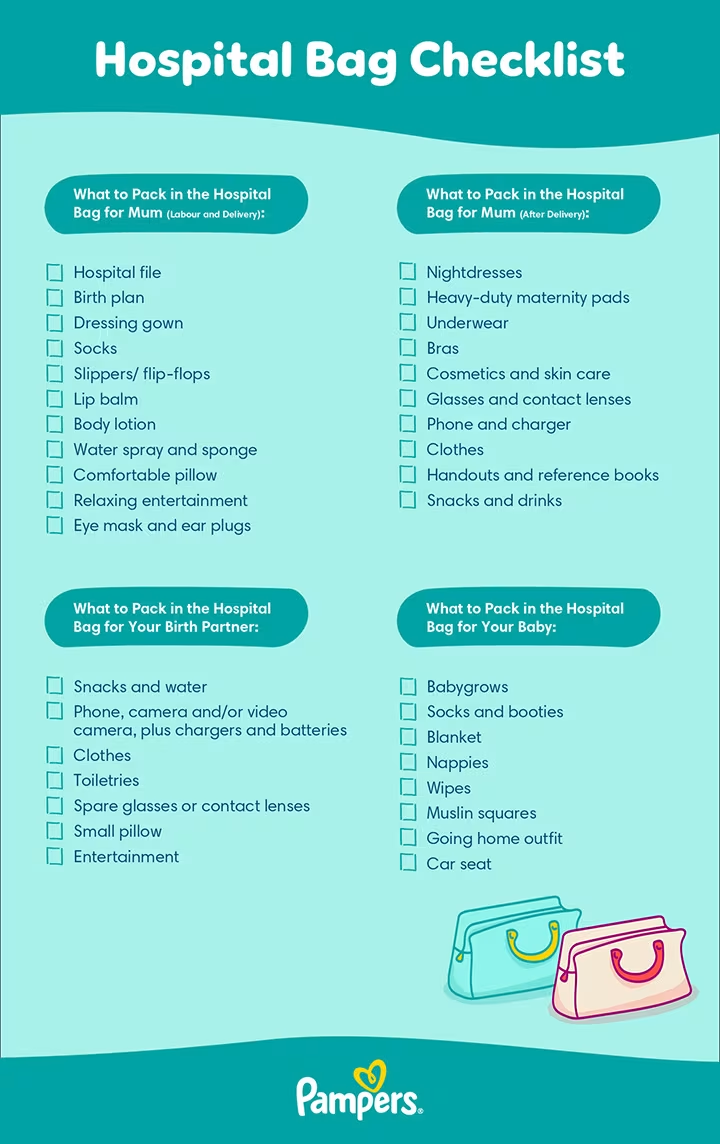
Printable Hospital Bag Checklist
Download our free, printable hospital bag checklist below to keep track of what you've packed.
Download Hospital Bag Checklist
What Not to Pack in Your Hospital Bag
Although it's a great idea to be prepared, you don't need to overpack your hospital bag. And there are some things that many hospitals don't allow, so it's a good idea to double-check beforehand.
Here are a few things you probably won't need to pack in your hospital bag checklist:
Sibling Hospital Bag Checklist
If your older child/children will be staying with family or a carer while you're in hospital, pack a small bag to help them feel comfortable and cared for:
This little bag helps keep things familiar and fun for the siblings-to-be while you focus on welcoming the new baby.
FAQS AT A GLANCE
It's sensible to wear loose, comfortable clothing during labour. Your hospital may provide a gown for the delivery, but you may also wish to bring your own nightdresses, dressing gown, slippers, socks and nursing bras for after the birth.
The Bottom Line
With this hospital bag checklist, Mum, Dad and baby can be well prepared for time in hospital. Read up on the signs of labour, which includes things like your waters breaking or seeing the mucus plug discharge.
If you're approaching your due date, it's helpful to know how to time your contractions as well as how to spot other signs of labour. Contact your midwife or doctor if you think you're going into labour. They'll be able to let you know when it's time to grab your hospital bag and be on your way.
While you're here and in the mood for preparing for the birth of your baby, download the Pampers Club app. You can use the app to earn rewards for all the nappies you'll be buying once your little one's here.

Pregnancy Preparation: 3 Ways to Stay Healthy
A healthy mum makes for a healthy pregnancy. Take a look at these great tips for staying healthy when preparing for a pregnancy.
Read more
What to Include in Your Birth Plan
Learn how to devise an effective NHS birth plan. Access our comprehensive birth plan template for UK residents and get your delivery blueprint ready.
Read more
Top tips: Bringing your newborn baby home
Bringing your baby back to a well-prepared home will help make the whole process easier. See our check-list for preparing your home for a baby.
Read morePregnancy Preparation: 3 Ways to Stay Healthy
A healthy mum makes for a healthy pregnancy. Take a look at these great tips for staying healthy when preparing for a pregnancy.
Read moreWhat to Include in Your Birth Plan
Learn how to devise an effective NHS birth plan. Access our comprehensive birth plan template for UK residents and get your delivery blueprint ready.
Read moreTop tips: Bringing your newborn baby home
Bringing your baby back to a well-prepared home will help make the whole process easier. See our check-list for preparing your home for a baby.
Read morePregnancy Preparation: 3 Ways to Stay Healthy
A healthy mum makes for a healthy pregnancy. Take a look at these great tips for staying healthy when preparing for a pregnancy.
Read moreWhat to Include in Your Birth Plan
Learn how to devise an effective NHS birth plan. Access our comprehensive birth plan template for UK residents and get your delivery blueprint ready.
Read moreTop tips: Bringing your newborn baby home
Bringing your baby back to a well-prepared home will help make the whole process easier. See our check-list for preparing your home for a baby.
Read moreJoin Pampers Club and get:
- PAMPERS COUPONS
- TOOLS & QUIZZES
- PARENTING TIPS
 PAMPERS COUPONS
 TOOLS & QUIZZES
 PARENTING TIPS