
Stork Bites in Infants: Causes and Appearance


Spotted a pinkish or reddish patch on your newborn’s skin? It’s likely a stork bite, also known as a salmon patch - a normal, harmless birthmark that is common in newborns and usually disappears all by itself.
Key Takeaways:
Even though you might notice them clearly at first, stork bites are simply a natural part of your baby’s unique look—and they usually fade as your little one grows. Carry on reading to find out what causes stork bites, how they change, and when you might want to see a doctor.
What Is a Stork Bite (Nevus Simplex) in Newborns?
A stork bite is a common birthmark that appears on newborns shortly after birth. The medical name for it is nevus simplex, but you might also hear people call it a salmon patch or an angel kiss.
These marks are typically harmless and caused by brief changes in blood flow under the skin. They’re not infectious, they don't need treatment, and nearly all of them will fade away on their own in a year or two.
Port Wine Stain vs. Stork Bite
Stork bites and port wine stains can look similar at first, but they’re actually rather different, with major differences in how long they last and what causes them.
A stork bite is a temporary birthmark, coming from those enlarged blood vessels near the skin’s surface. It looks like a soft pink or red patch and, most of the time, disappears by about age 1 or 2.
On the other hand, a port wine stain is a birthmark that doesn't fade over time. It’s caused by the irregular growth of the blood vessels under that specific area of skin, and shows up pink, light brown, or purple. They might get darker or feel thicker over time.
So, when it comes to port wine stain vs. stork bite, the simple version is this: stork bites fade away, port wine stains don’t. If you’re not sure which birthmark your child has, consult your GP or health advisor.
What do Stork Bite Birthmarks Look Like on Newborns?
Stork bite marks are generally flat with fuzzy edges, usually pink to reddish-purple, and they just fade into the rest of your little one’s skin.
Sometimes, the colour of these patches changes with what your baby is doing or how warm they are:
What Causes Stork Bites on Newborns?
Stork bites are caused by capillary (blood vessel) malformations during fetal development, which create flat, reddish patches of skin that typically fade over time. This process is completely pain-free and isn’t a signal of any health problem.
Stork Bite Birthmark Locations
Ever heard the old tale of a stork delivering babies? The term 'stork bite' comes from the old legend that storks carry babies by the back of the neck, a spot where these birthmarks often appear. Of course, the story is pure fiction, but these marks themselves are very common and completely harmless.
Your newborn might have a stork bite in a couple of common spots, like:
Again, these patches won’t hurt or bother your baby, and they usually fade away. If you’re worried about how they look or how long they’ve stuck around, your baby’s GP or health advisor can give extra advice.
What’s in Your Nappy Bag? Take our Poll!
What are your nappy bag must-haves? From essentials to just-in-case extras, every parent packs a little differently. Take our fun quiz to see how your nappy bag stacks up against other Pampers Parents.
Instant Results
Enjoyment Guaranteed
Personal Insights
Read more about Newborn Baby
How to Cut Baby Fingernails
Cutting your baby's fingernails for the first time can be a scary, tricky experience. Learn how to do it best with Pampers by using our online guide.
Read more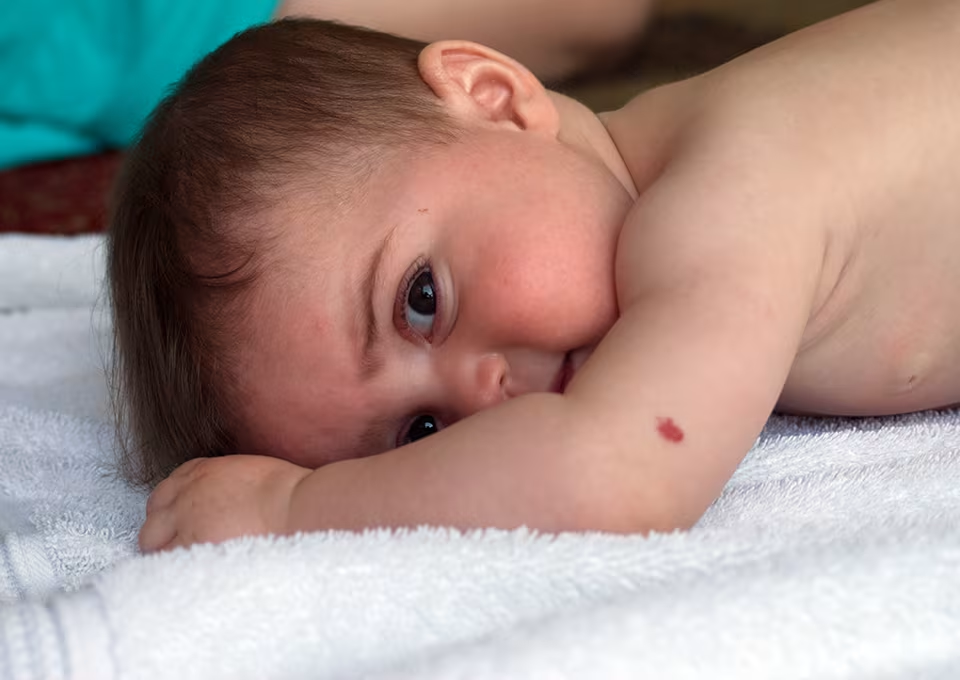
What Is a Birthmark and What Types Are There?
Baby birthmarks come in many shapes and sizes. Some are temporary, others may be permanent. Learn more about the causes of birthmarks and the different types.
Read more
Yeast Nappy Rash: Symptoms, Causes and Treatment
Spot and treat a yeast nappy rash. From antifungal creams to protecting your baby’s delicate skin, we cover everything about nappy rash and yeast infections.
Read more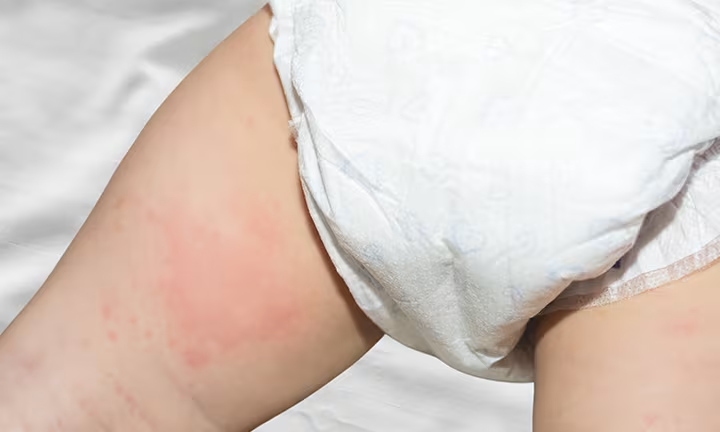
Nappy Rash Bleeding: Causes, Treatment and When to See a GP
Worried about bleeding nappy rash? Discover expert tips to soothe your baby’s skin, prevent irritation, and know when to get medical help.
Read more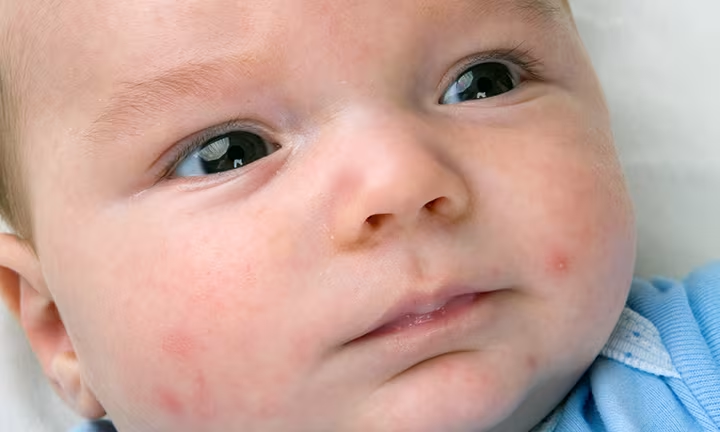
Baby & Newborn Acne: Causes and Treatment
Baby acne usually appears on your newborn's face in the first weeks after birth. Find out more about this common skin condition and what you can do about it.
Read more
Baby Skin Care
Every baby's skin is different, and often a baby will experience problems from dry skin to eczema. Pampers explores the best skin care products.
Read more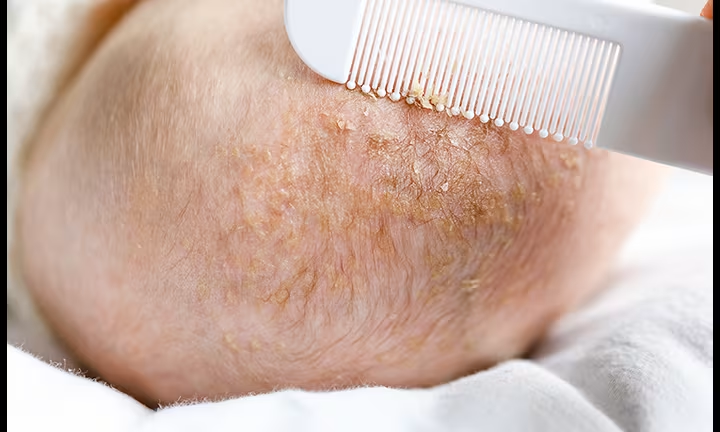
Cradle Cap – Causes, Symptoms and Treatment
Cradle cap is a common symptom for newborns with scales of skin on their scalp. Learn more about what causes cradle cap, its symptoms and treatment.
Read more
All About Ringworm in Babies and Children
Ringworm in babies and toddlers has nothing to do with worms – it's a ring-shaped rash. Learn about the cause, symptoms and treatment of ringworm in children.
Read more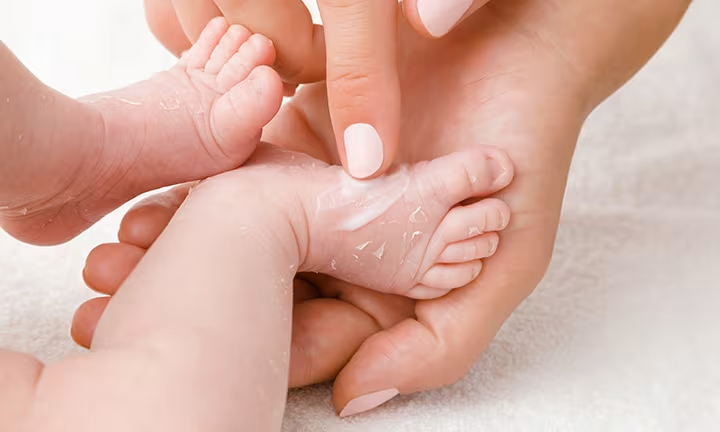
Dry, Peeling Skin in Newborns and Older Infants
It’s totally normal for newborns and older babies to have peeling skin. See what causes it and easy ways you can help prevent your baby’s skin from getting dry.
Read more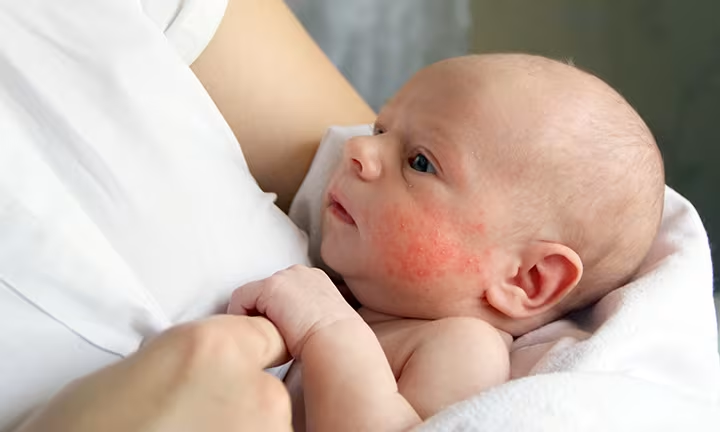
Common Types of Rashes in Newborns and Babies
Does your baby have a rash on the face, belly or back? Learn about the common types of rashes including baby acne, eczema and roseola – causes and treatment.
Read moreHow to Cut Baby Fingernails
Cutting your baby's fingernails for the first time can be a scary, tricky experience. Learn how to do it best with Pampers by using our online guide.
Read moreWhat Is a Birthmark and What Types Are There?
Baby birthmarks come in many shapes and sizes. Some are temporary, others may be permanent. Learn more about the causes of birthmarks and the different types.
Read moreYeast Nappy Rash: Symptoms, Causes and Treatment
Spot and treat a yeast nappy rash. From antifungal creams to protecting your baby’s delicate skin, we cover everything about nappy rash and yeast infections.
Read moreNappy Rash Bleeding: Causes, Treatment and When to See a GP
Worried about bleeding nappy rash? Discover expert tips to soothe your baby’s skin, prevent irritation, and know when to get medical help.
Read moreBaby & Newborn Acne: Causes and Treatment
Baby acne usually appears on your newborn's face in the first weeks after birth. Find out more about this common skin condition and what you can do about it.
Read moreBaby Skin Care
Every baby's skin is different, and often a baby will experience problems from dry skin to eczema. Pampers explores the best skin care products.
Read moreCradle Cap – Causes, Symptoms and Treatment
Cradle cap is a common symptom for newborns with scales of skin on their scalp. Learn more about what causes cradle cap, its symptoms and treatment.
Read moreAll About Ringworm in Babies and Children
Ringworm in babies and toddlers has nothing to do with worms – it's a ring-shaped rash. Learn about the cause, symptoms and treatment of ringworm in children.
Read moreJoin Pampers Club and get:
- PAMPERS COUPONS
- TOOLS & QUIZZES
- PARENTING TIPS
 PAMPERS COUPONS
 TOOLS & QUIZZES
 PARENTING TIPS