20+ Homemade Baby Food Recipes and Meal Ideas


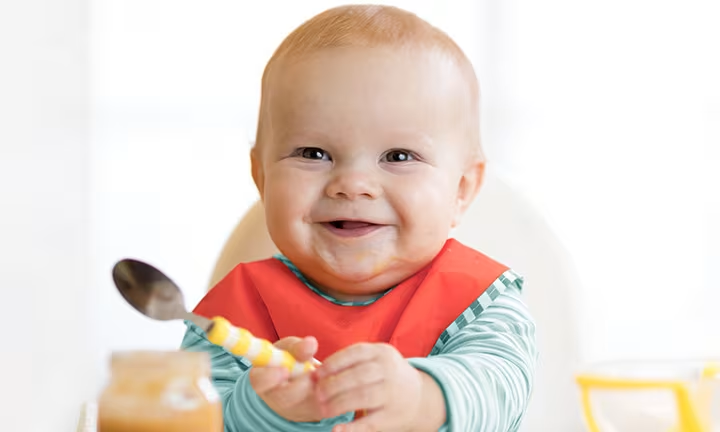
You might be wondering what to feed your baby when they’re ready to start trying solid foods, or maybe you’d like an alternative to shop-bought foods that you’re already using. What better time to try your hand at making your own baby food? Discover the benefits of homemade baby food and learn how to make baby food and store it safely. And if you’re ready to start cooking your baby’s first food, we’ve collected some easy baby food recipes for you to try.

Why Make Homemade Baby Food?
Although shop-bought baby food can be a convenient option – especially when you’re pushed for time or travelling with your baby – making your own baby food offers several benefits, such as:
Your Baby’s First Food: Baby Food Recipes for 6 to 8-Month-Olds
Check out these baby food recipes when it’s time for your baby’s first food. Once you’ve got a feel for it, you could also try coming up with some recipes of your own, taking care to avoid ingredients that aren’t suitable for your baby. Always take care to follow basic food safety guidelines when making food for your baby.
Sweet Potato Baby Food Recipe
Roasted Butternut Squash Baby Food Puree
Green Bean Baby Food Puree
This baby food puree recipe works just as well with other vegetables. Mix up the flavours and make sure to include veggies that aren’t sweet, like broccoli, cauliflower or spinach.
Carrot Puree Baby Food Recipe
Fruit Stew Baby Food Recipe
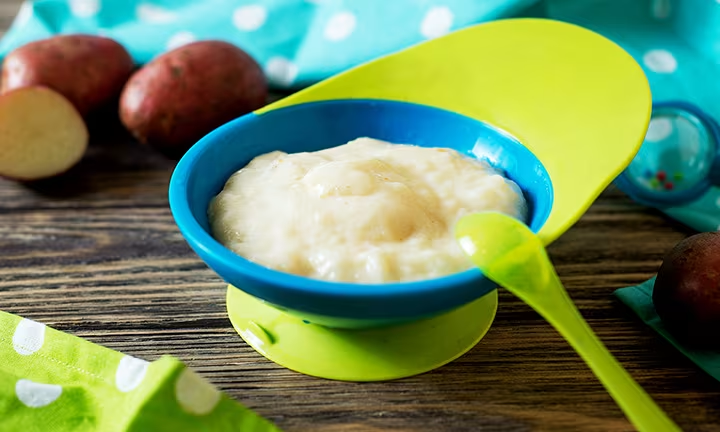
Mashed Potatoes
For extra flavour and variety, dice a leek and boil it for 5 minutes or until soft, then add it to the potatoes before mashing for a delicious leek and potato puree.
Avocado and Banana Mash
Scrambled Egg
More Baby Food Recipe Ideas
Here are some other baby food recipe ideas to try at home:
You might also like to try combining shop-bought foods with some homemade purees:
Baby Food and Meal Ideas for 8 to 12-Month-Olds
You can use any of the above baby food recipes and ideas for your 8- to 12-month-old, but by this point you can start varying the textures. So, instead of pureeing the food, you could just whizz it briefly in the blender for a coarse texture or just mash it with a fork for extra chunkiness. As well as making baby food separately, you might like to try mashing or pureeing some of the food that the rest of the family is having and cooling it in a small bowl for your baby to try. It’s best to do this earlier in the cooking process, before you add any salt or strong seasoning to the food.
Here are some meal ideas you could try for your 8- to 12-month-old baby:

Foods and Ingredients to Avoid Feeding Your Baby
Making your own baby food is a great way of letting your child try a wide variety of flavours and textures from the very first moment you start introducing your baby to solid foods. However, some foods aren’t suitable for used in your baby food recipes. Here are some pointers on what foods and ingredients to avoid when making your baby’s first food.
Salty Foods
Salt is not good for little kidneys, so don’t add it to your baby’s food or the water that you use for boiling pasta, vegetables and other food. Stock cubes and ready-made or powdered gravy can also be high in salt, so it’s best to avoid them too. If you mash or cut up some of whatever your family is eating for your baby, separate your baby’s portion before adding salt and spices. Potentially salty foods include:
Sugary Food and Snacks
Babies don’t need sugar, as it contributes to tooth decay and potentially other long-term health issues. The sugar that occurs naturally in some produce like fruit, vegetables and milk is usually nothing to worry about, but sweets, cakes and sweetened food and drinks are best avoided. Even unsweetened fruit juices and smoothies contain ‘free sugars’ that can be unhealthy if your child consumes too much of them. For this reason, until the age of 5 years old, experts recommend that you dilute fruit juice (1 part juice to 10 parts water) and limit them to one 150ml glass a day at most, regardless of age. It’s best if your child drinks any fruit juice with a meal to lower the risk of tooth decay.
Foods That May Contain Bacteria or Toxins
Some foods aren’t suitable for young babies because they can contain germs or other toxic substances that could cause illness. They include:
Foods With a High Choking Risk
Some foods and ingredients can easily cause choking because of the way they can become lodged in a baby’s small airway, blocking it.
Other foods to avoid giving your baby because of the choking risk include:
Cows’ Milk
Avoid giving your baby cows’ milk (and goat’s or sheep’s milk, even if pasteurised) to drink until the age of 1 year old – although it’s usually OK to add small amounts to food when cooking. When you do introduce cows’ milk as a drink to your baby’s diet, keep in mind that skimmed or 1% fat milk isn’t recommended under the age of 5 years old. Until then, give your child full-fat dairy products, which contain the fat and energy they need to grow. Dairy products are an important source of calcium and other nutrients. If your older child’s diet doesn’t include milk, ask your health visitor or doctor for advice on substitutes such as calcium-fortified soya or almond drinks.
In Summary
Avoid feeding your baby foods that can become a choking hazard, like spherically shaped foods or dry foods. Don’t give your baby foods that might contain potentially harmful bacteria, such as raw seafood or unpasteurised dairy products. Steer clear of foods with added salt or sugar.
Food Allergies or Intolerances
When starting your baby on solid foods, there’s a chance your child may have an allergy or intolerance to a certain food. This is why it’s a good idea to introduce new foods one at a time, especially when it comes to ingredients that are known potential allergens. However, experts do not recommend avoiding certain foods just because they might cause an allergy. In some cases, for example peanuts and eggs, delaying the introduction of these foods may increase the risk of developing an allergy later. Be extra careful about introducing new foods if your baby already has a known allergy or has eczema, as these factors are also known to increase the risk of a reaction to certain foods.
Possible symptoms of an allergic reaction to food can include:
Common food allergens include:
Call 999 if your child
In Summary
There’s always a chance your baby may be allergic or intolerant to a certain food. As you introduce new foods, keep track of any reactions, like a rash, diarrhoea, watery eyes, sneezing, coughing and vomiting. Be extra vigilant if your baby already has an allergy or eczema, as this may indicate a higher risk of allergic reactions. Call 999 if your baby has trouble breathing, develops hives or a swollen tongue and/or throat.
Practicing Food Safety at Home
When making homemade baby food, it’s important to follow food safety guidelines, especially since children under 5 years old are at a higher risk of contracting foodborne illnesses. Here are some food safety precautions to take when making baby food:
Pampers® Baby-Dry™ Nappy Pants
Storing and Reheating Your Homemade Baby Food
When storing homemade baby food, it’s important to follow these guidelines:
In Summary
Babies are more susceptible to food poisoning caused by bacteria and other toxins that can be found in food, so following food safety guidelines – like separating raw meat and cooked foods, keeping utensils, surfaces and hands clean and discarding any baby food that’s been stored for too long – is especially important.
FAQS AT A GLANCE
When introducing solid foods to your baby, from around the age of 6 months old, it’s best to start with pureed or blended foods, then progress to mashed or lumpy food and finger foods.
Introducing new foods and ingredients one at a time makes it easier to identify any food that causes an allergic reaction in your baby.
The Bottom Line
Making homemade baby food can be a rewarding experience for you and delicious for your baby – and it's easy to do with the recipes and guidelines here. Get out the blender or grab a fork and you're all set to have some fun as you prepare these first foods for your baby. Feeding your child homemade baby food, either exclusively or in addition to shop-bought varieties, can be a time of discovery for both you and your little one. It will introduce your baby to the foods and flavours of your family and help start getting into healthy eating habits right from the start. Bon appétit!
- NHS: Baby’s first solid foods
- NHS: Weaning - Recipes and meal ideas
- NHS: Foods to avoid giving babies and young children
- NHS: How does sugar in our diet affect our health
- NHS: Drinks and cups for babies and young children
- NHS: Botulism
- NHS: Preparing food safely
- NHS: What to feed young children
- NHS: Food allergies in babies and young children
- NHS: Food allergies
- NHS: Food allergy
- NHS: Anaphylaxis
- NHS: Children’s food safety and hygiene
- NHS: Wean the Weans
- NHS: Recipe Book For Babies Who Need To Make The Most of Every Mouthful
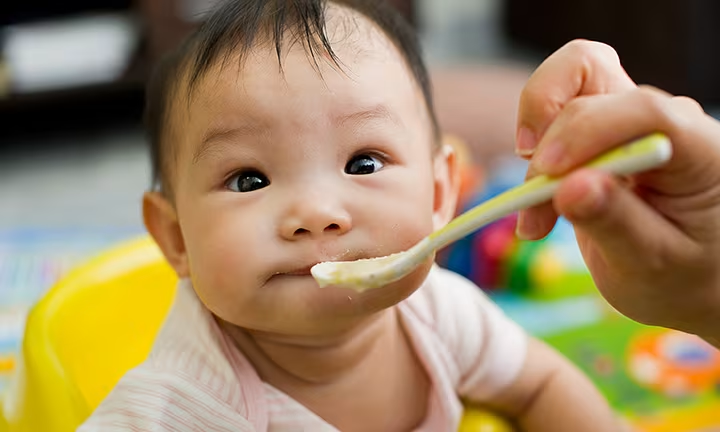
How to Introduce Solids and First Foods to Your Baby
Is your baby ready for solid food? See our practical tips on how to introduce first foods to your baby, and what you should consider.
Read more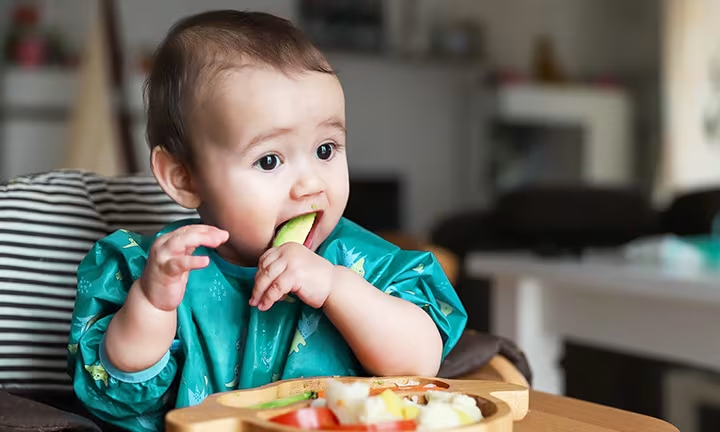
What Is Baby-Led Weaning?
Baby-led weaning (BLW) is a way of introducing solids to babies using finger foods instead of puree. Find out more about baby-led weaning here.
Read more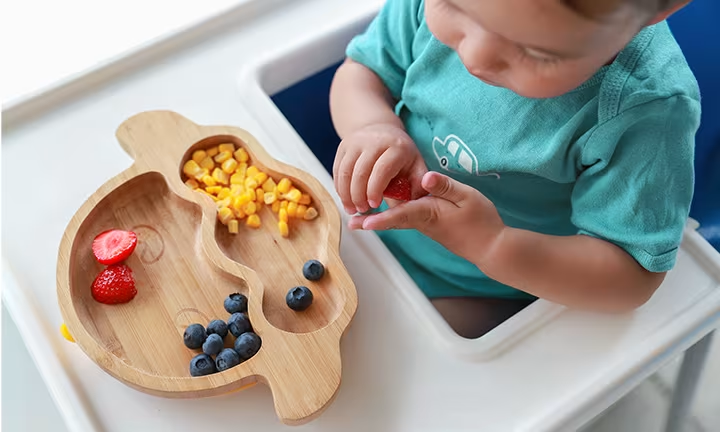
The Best Finger Foods for Babies
Finger foods can usually be introduced to babies around 6 months of age. Learn more about which finger foods suit which age group.
Read moreHow to Introduce Solids and First Foods to Your Baby
Is your baby ready for solid food? See our practical tips on how to introduce first foods to your baby, and what you should consider.
Read moreWhat Is Baby-Led Weaning?
Baby-led weaning (BLW) is a way of introducing solids to babies using finger foods instead of puree. Find out more about baby-led weaning here.
Read moreThe Best Finger Foods for Babies
Finger foods can usually be introduced to babies around 6 months of age. Learn more about which finger foods suit which age group.
Read moreHow to Introduce Solids and First Foods to Your Baby
Is your baby ready for solid food? See our practical tips on how to introduce first foods to your baby, and what you should consider.
Read moreWhat Is Baby-Led Weaning?
Baby-led weaning (BLW) is a way of introducing solids to babies using finger foods instead of puree. Find out more about baby-led weaning here.
Read moreThe Best Finger Foods for Babies
Finger foods can usually be introduced to babies around 6 months of age. Learn more about which finger foods suit which age group.
Read moreJoin Pampers Club and get:
- PAMPERS COUPONS
- TOOLS & QUIZZES
- PARENTING TIPS
 PAMPERS COUPONS
 TOOLS & QUIZZES
 PARENTING TIPS