When Can Babies Have Honey?


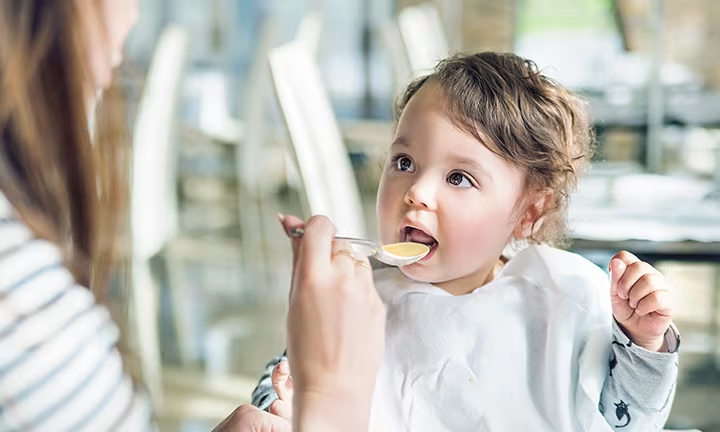
You may have heard about the benefits of honey or just love the sweet taste of it, but it's important to know that honey isn’t safe for your young baby. Read on to find out why babies can’t have honey, when children can start to eat honey and what could happen if your baby eats honey before he or she is old enough.
Why Can’t Babies Have Honey?
Babies under 12 months should never be given honey, because it may contain bacteria (in the form of spores) that an infant’s developing digestive system can’t handle.
These bacteria are harmless to older children and adults, but in your baby’s stomach they can germinate, multiply and produce a toxin that can lead to a serious illness called infant botulism.
Even after your baby’s first birthday, keep in mind that – although natural – honey is still a sugar, so by avoiding it for as long as possible or by limiting the amount you give you can help lower the risk of things like tooth decay.
When Can Children Have Honey?
When your child is at least 1 year old, it’s usually safe for him or her to eat honey. By that point your baby’s digestive system will be mature enough to protect against the bacteria that is behind infant botulism.
What Is Infant Botulism?
Botulism is an illness caused by toxins that are produced by Clostridium botulinum, a type of bacteria that is sometimes found in honey. The bacteria themselves are harmless, but the toxins they can produce are extremely poisonous.
You might already have heard of botulism, as a kind of food poisoning that can affect adults and children alike, which results from other foods – such as tinned goods – being contaminated.
Fortunately, food hygiene standards now make it extremely rare to catch botulism from shop-bought foodstuffs.
Infant botulism, however, specifically refers to the illness when it is contracted by babies who are younger than 12 months old.
What Are the Symptoms of Infant Botulism?
Symptoms of botulism in babies can include
What to Do If You Suspect Your Baby Has Infant Botulism?
Botulism is a rare but extremely serious disease which, left untreated, can be fatal. However, as long as treatment is started in time most people make a full recovery. If your infant has botulism, he or she will probably need to be treated in hospital. If you suspect your baby has eaten honey or that your child may have infant botulism let your doctor, midwife or health visitor know straight away. If your infant has any of the above symptoms of botulism, call 999 or go to your nearest A&E department.
The Short and Sweet of It
To keep your little one healthy and safe, wait at least until his or her first birthday has passed before giving your baby honey. Your child will have plenty of time to enjoy the sweetness and any possible health benefits of honey when he or she is a bit older. In the meantime – if you’ve already started weaning – your baby has plenty of other exciting new tastes, textures and sensations to explore. Bon Appetit!

Food Allergies in Babies
Read about the most common food allergies in babies, how to spot the symptoms of an allergic reaction and find out when to take your baby to a doctor.
Read more
Eat out with kids
The first step in helping to ensure that eating out with your baby is a stress-free experience is ensuring that the restaurant is family-friendly.
Read more
Dehydration in Babies: Symptoms, Treatment and Prevention
Babies can easily become dehydrated, so it’s important to recognise the signs and get early treatment. Discover the symptoms of dehydration and what to do next.
Read more
Feeding your baby: 3 tips to getting it right
Feeding your baby is an ideal opportunity to bond together. Follow these guidelines on how and what to feed your baby, dependent on their age.
Read more
When Can Babies Have Water?
Find out at what age to start giving your baby water and how much water your baby should drink.
Read more
Weaning: When and How to Wean Your Baby?
Weaning is transitioning your baby from breast milk or formula to solids. Learn how to wean your baby and how to stop breastfeeding when the time comes.
Read more
When Can I Give Baby Rice to My Child?
Baby rice can usually be introduced to babies once they reach six months, together with other solids. Find out more about when and how to introduce rice cereal to your baby.
Read moreFood Allergies in Babies
Read about the most common food allergies in babies, how to spot the symptoms of an allergic reaction and find out when to take your baby to a doctor.
Read moreEat out with kids
The first step in helping to ensure that eating out with your baby is a stress-free experience is ensuring that the restaurant is family-friendly.
Read moreDehydration in Babies: Symptoms, Treatment and Prevention
Babies can easily become dehydrated, so it’s important to recognise the signs and get early treatment. Discover the symptoms of dehydration and what to do next.
Read moreFeeding your baby: 3 tips to getting it right
Feeding your baby is an ideal opportunity to bond together. Follow these guidelines on how and what to feed your baby, dependent on their age.
Read moreWhen Can Babies Have Water?
Find out at what age to start giving your baby water and how much water your baby should drink.
Read moreWeaning: When and How to Wean Your Baby?
Weaning is transitioning your baby from breast milk or formula to solids. Learn how to wean your baby and how to stop breastfeeding when the time comes.
Read moreWhen Can I Give Baby Rice to My Child?
Baby rice can usually be introduced to babies once they reach six months, together with other solids. Find out more about when and how to introduce rice cereal to your baby.
Read moreFood Allergies in Babies
Read about the most common food allergies in babies, how to spot the symptoms of an allergic reaction and find out when to take your baby to a doctor.
Read moreJoin Pampers Club and get:
- PAMPERS COUPONS
- TOOLS & QUIZZES
- PARENTING TIPS
 PAMPERS COUPONS
 TOOLS & QUIZZES
 PARENTING TIPS