
Baby development 3 to 9 months: growth phases


Between 3 and 9 months, watching your baby reach new baby development milestones is truly thrilling. During this period of baby growth from 3 to 9 months, your little one will develop in two connected but different ways: physical growth spurts - sudden increases in weight and length - and developmental milestones, such as sitting, babbling, and grasping. Both are exciting to witness, and sometimes exhausting. In this article, we’ll guide you through what to expect at each stage.

What is a growth spurt in babies?
A growth spurt is a short period of rapid physical growth during which your baby gains weight and length more quickly than usual. Baby growth spurts are distinct from developmental leaps, which involve new skills and behaviours rather than physical size changes.
Common signs of a growth spurt include:
Growth spurts don’t follow a strict timetable. Every baby is different, and timing can vary by several weeks. During baby growth from 3 to 9 months, common growth spurt windows include:
These are approximate, not fixed. You can track your baby’s growth with our Baby Growth Chart Calculator to monitor their progress.
What can my baby do at 4 months?
Your baby is growing rapidly, and changes will come thick and fast - physical, emotional, and cognitive. Around 3–4 months is a common time for a growth spurt, so your baby may seem hungrier or fussier than usual before a burst of new development. Your baby is now interacting more with the world, learning from it and you, their favourite playmate.
By four months, your baby probably:
Tracking these baby development milestones is a wonderful way to celebrate your baby’s unique baby development stages - explore more with the Baby Development Milestones tool.
What can my baby do at 6 months?
By six months, your baby is sitting up or getting ready to sit up, and their back is straightening out. This is a new perspective for your baby, and they enjoy it!
At six months, your baby probably:
Around 6 months is another common growth spurt window, often coinciding with the introduction of solid foods. Your baby may seem hungrier than usual or feed more frequently during baby growth from 3 to 9 months - this is perfectly normal.
Just when you think you have it all under control, your baby will decide to challenge you again - by starting to move! You’ll have to begin thinking about safety in these terms. As your baby begins eating their first solid foods, you’ll need to be aware of choking hazards as well. These are all healthy baby development milestones and exciting baby development stages to celebrate.
What can my baby do at 9 months?
Your baby is on the move: exploring, investigating, and experimenting. They love hiding things and playing peek-a-boo because now they understand object permanence - that things still exist even when out of sight. You’ll need to be on duty constantly - to reassure your baby of your love and, just as importantly, to keep them safe. This is the age when many parents realise how strong their baby’s personality really is and how much they want to be a part of and into everything.
At nine months, your baby probably:
Around 9 months is another common growth spurt period. Your baby may feed more, wake more at night, and seem clingier - all of which is perfectly normal during baby growth from 3 to 9 months. These baby development milestones and baby development stages show just how far your little one has come.
Is it a growth spurt or could my baby be unwell?
It’s natural to feel unsure whether your baby’s fussiness is a growth spurt or something more concerning - the signs can look surprisingly similar.
Typical growth spurt signs:
Signs that may indicate illness:
Baby growth spurts typically last 2–3 days and then settle. If you’re ever unsure, trust your instincts and contact your GP or health visitor.
When should I contact my GP or health visitor?
You know your baby better than anyone. If something feels wrong, always trust your instincts.
Contact your GP or health visitor if your baby:
Call NHS 111 if:
Call 999 or go to A&E if your baby:
For non-urgent questions about your baby’s baby development milestones and baby development stages, your health visitor is an excellent first point of contact.
FAQs
Common signs of a growth spurt include feeding more frequently than usual (cluster feeding), increased fussiness or irritability, changes in sleep patterns - such as sleeping more or waking more at night - and seeming hungrier even after a full feed. These signs typically last 2–3 days before settling. If your baby seems otherwise well and responsive, it’s very likely a normal baby growth spurts phase.


Baby Arching Back – Is It Normal?
Discover why a baby may be arching their back and crying. Understand the causes, solutions, and when it's necessary to consult a doctor.
Read more
When Do Babies Sit Up on Their Own?
When do babies sit up? Learn when to expect this milestone, how to help your baby sit up safely, and tips to support their development with expert advice.
Read more
29 Baby Game Ideas for Your Baby's First Year
Playing together in the first year can benefit your baby’s development. Discover some fun games you can play with your baby at home.
Read more
Separation Anxiety in Babies
Separation anxiety is a normal fear of being apart from parents. Get some tips for helping your baby feel secure during this phase.
Read more
10 step baby yoga routine for sitting babies
Yoga stretches your baby’s whole body, leaving them relaxed and happy. Click to discover the exercises you can perform with your baby!
Read more
All You Need to Know About Newborn, Infant, Baby and Toddler Age Ranges
Wondering what age is considered a toddler? Dive into our guide that helps you understand your child's development from newborn to toddler age.
Read more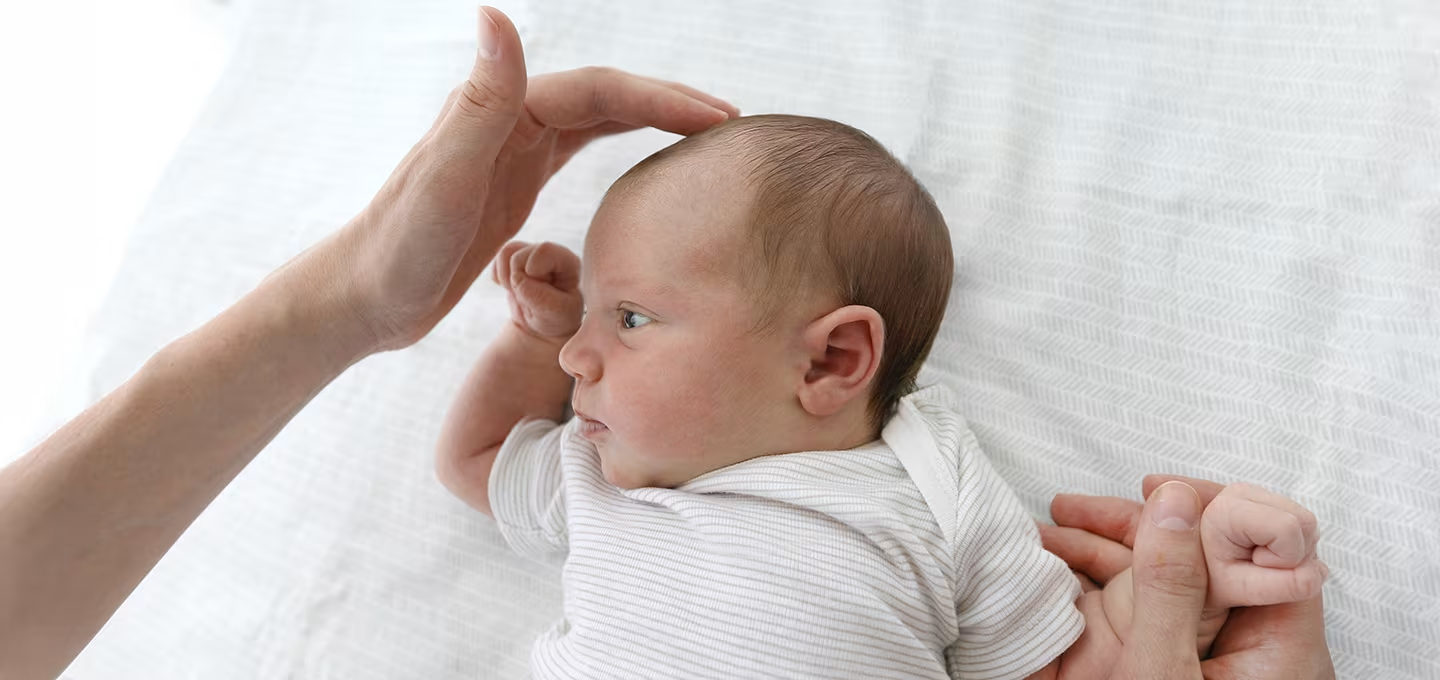
Caring for the Soft Spot (Fontanelle) on Your Baby’s Head
Your baby’s head has delicate soft spots called fontanelles. Find out what these soft spots are, when they’ll harden, and some easy ways to keep your little one’s head safe.
Read more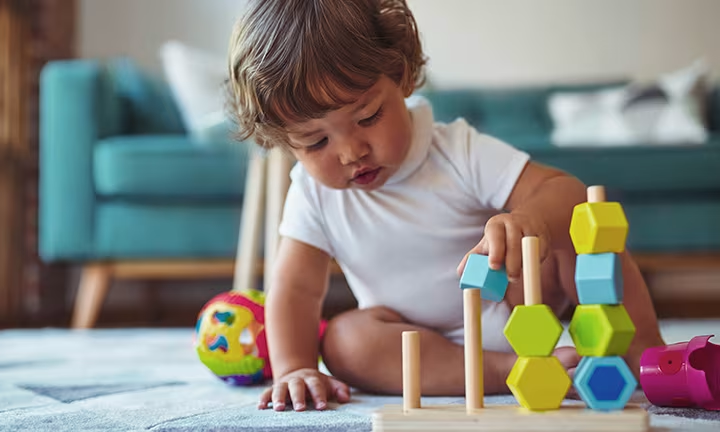
When Do Babies Develop Pincer Grasp?
Pincer grasp – holding an object between the thumb and first finger – is one of your baby’s fine motor skills. Learn when to anticipate this development.
Read more
Baby Growth Spurts: Signs, Timing & Tips to Help Your Baby Through Them
Is your baby suddenly hungrier, fussier or not sleeping well? It could be a growth spurt. Learn when they happen, how long they last, and how to support your little one.
Read more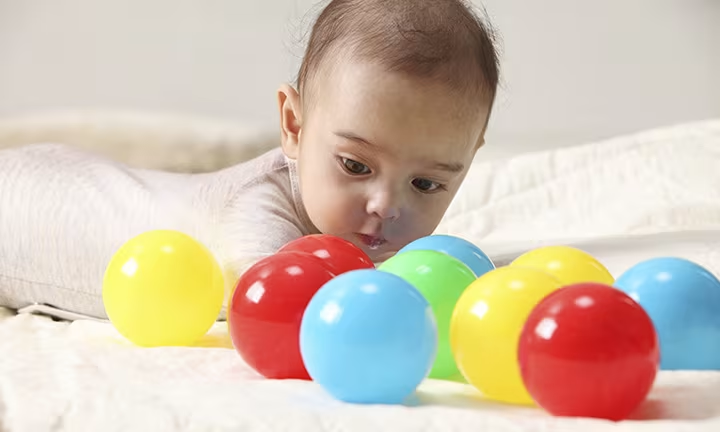
What You Need To Know About Object Permanence
Dive into the child psychology and learn about object permanence. How child grasps the existence of unseen objects and what object permanence truly means.
Read moreBaby Arching Back – Is It Normal?
Discover why a baby may be arching their back and crying. Understand the causes, solutions, and when it's necessary to consult a doctor.
Read moreWhen Do Babies Sit Up on Their Own?
When do babies sit up? Learn when to expect this milestone, how to help your baby sit up safely, and tips to support their development with expert advice.
Read more29 Baby Game Ideas for Your Baby's First Year
Playing together in the first year can benefit your baby’s development. Discover some fun games you can play with your baby at home.
Read moreSeparation Anxiety in Babies
Separation anxiety is a normal fear of being apart from parents. Get some tips for helping your baby feel secure during this phase.
Read more10 step baby yoga routine for sitting babies
Yoga stretches your baby’s whole body, leaving them relaxed and happy. Click to discover the exercises you can perform with your baby!
Read moreAll You Need to Know About Newborn, Infant, Baby and Toddler Age Ranges
Wondering what age is considered a toddler? Dive into our guide that helps you understand your child's development from newborn to toddler age.
Read moreCaring for the Soft Spot (Fontanelle) on Your Baby’s Head
Your baby’s head has delicate soft spots called fontanelles. Find out what these soft spots are, when they’ll harden, and some easy ways to keep your little one’s head safe.
Read moreWhen Do Babies Develop Pincer Grasp?
Pincer grasp – holding an object between the thumb and first finger – is one of your baby’s fine motor skills. Learn when to anticipate this development.
Read moreJoin Pampers Club and get:
- PAMPERS COUPONS
- TOOLS & QUIZZES
- PARENTING TIPS
 PAMPERS COUPONS
 TOOLS & QUIZZES
 PARENTING TIPS