Potty Training Chart and Reward Ideas—Including Printables


Key Takeaways
🚽 Short on time? Here’s your potty training chart essentials
Potty training can feel unpredictable, but a simple potty training chart turns progress into something your child can see and celebrate. Used well, it helps you spot patterns (times they usually need to go), keep routines consistent between carers, and motivate without pressure. The best charts are clear, age-appropriate, and focus on small wins rather than perfection.
Key things to include:
Next, we’ll look at how to choose, set up, and use a chart so it supports confident, stress-free toilet learning.
What Is a Potty-Training Chart?
If your little one is ready to get going with potty training, or if you’ve started and suddenly lost momentum, a bit of extra motivation could help. Many parents choose a reward chart for potty training as their potty-training incentive and motivation.
Potty training charts, whether a classic sticker chart or a themed potty reward chart, are a great way to track your toddler’s progress and spot patterns along the way. Every potty win, whether it’s just having a go, asking to try, or actually managing a wee or poo, earns them a sticker or a star, giving your little potty champion a proper boost for every victory, big or small.
If you want to get creative, you can learn how to make a potty training chart at home for your little one’s preferences.
Read on for potty training chart for toddlers inspiration, including our printable potty reward chart ideas!
Potty training rarely happens overnight or follows a tidy timeline, so embrace being patient, flexible and positive. Your encouragement and gentle support get you much further than adding pressure - promise!
The Benefits of Using Potty Training Charts
Your encouragement, support, and patience may be all that’s needed to keep your little one on track with potty training. But sometimes a gentle, fun incentive like a potty-training chart might help the process. Here are some benefits of using a potty-training chart:
Small but consistent rewards can motivate and empower your child, making potty training a more positive experience. Let's cheer on these little steps towards big milestones!
How to Use a Potty Training Chart
One of the best things about these potty training rewards charts is that you can make them totally your own, matching your child’s age, stage and what gets them excited.
For example, you could:
Lots of little ones find that just adding a sticker or star is the prize. Watching their chart fill up helps boost their pride and keeps them motivated!
Some parents go for a small treat after a certain number of stickers or a run of dry days. When your child’s really getting the hang of things, you can switch the chart goal - maybe working up to 'big kid' pants during the day.
However you use your potty training sticker chart or reward chart, always keep things upbeat, flexible and full of encouragement.
Wondering how to make a potty training sticker chart that suits your toddler? Simply personalise it with their favourite things using stickers, or let them decorate it themselves with colours or glitter.
Parents also ask…
How long should I use a potty training chart?
Most families use a potty training reward chart for a few weeks, until it all feels second nature. The aim is to gradually drop the rewards as your little one’s confidence and independence grow.
How do I stop using the chart?
Bit by bit, make the treats less regular and swap them for simple praise and pride about staying dry. That way, using the toilet becomes just what you do - not something you only do for a prize. Using a potty training sticker chart can help ease the transition from rewards to regular habits.
How to Introduce a Potty-Training Chart to Your Toddler
Introducing the chart in a fun, relaxed way can work wonders. Here’s how to get started on the right foot:
Customise the chart
Customise the chart
Pick a chart style or theme your child will love - dinosaurs, favourite animals, spaceships, princesses, or favourite colours. Personal touches make it feel special. Try our dinosaur potty training chart printable or a custom potty reward chart for dino-loving toddlers.
Show them the ropes
Show them the ropes
Talk them through the chart and what they’ll get a sticker for. Keep it super simple and cheerful.
Put it where they’ll see it
Put it where they’ll see it
Stick the chart at your child’s eye level, maybe on the bathroom wall. Seeing their wins racking up keeps them motivated.
Gently encourage and remind them throughout the day
Gently encourage and remind them throughout the day
Use gentle reminders to use the potty and recognise toilet cues, or you may even find having a toilet routine helpful.
Reinforce and be consistent
Reinforce and be consistent
Stay consistent with the way you use the potty-training chart. Allowing your little one to add the sticker to their chart themselves may add to the excitement and better reinforce the connection between using the potty and receiving the reward.
Review the goals
Review the goals
As your little one grows and easily achieves their target, you might want to gradually add new goals to their rewards chart.
Remember, potty training is just that - a learning curve! Some days will click, others will mean little accidents, and that’s all part of the journey. Reward chart potty training systems work best when they’re all about confidence, not pressure or fuss.
Potty Training Reward Ideas
As mentioned above, the potty-training chart and stickers may be enough of a reward for your little one! The excitement your child feels as their chart fills up throughout the week can be just the right motivation and might answer the question of what are good rewards for potty training. However, if your little one needs a bit more encouragement, you could introduce a special treat when they achieve the goals you've set.
Of course, potty-training rewards are optional, but if you do decide to offer them, try to keep most of the focus on your little one gaining confidence and learning to use the potty rather than on getting new toys or treats.
Here are some more potty-training tips to help encourage your toddler on their new adventure.
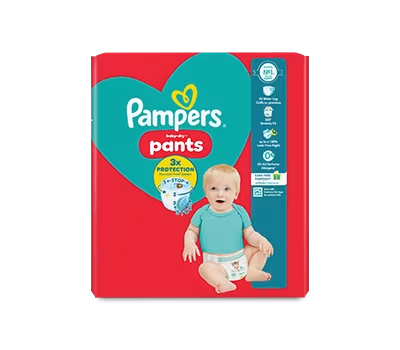
Pampers® Baby-Dry™ Nappy Pants
Free Printable Potty Training Charts
Want something you can print right now? We’ve got a bundle of fun, free printable potty training charts you can use on your child’s journey. Pick your favourite and get started! Each potty training chart printable below helps make toilet training motivating and memorable.
Beginner Potty Training Chart
This chart’s perfect for potty newbies. Split up by the days of the week, it makes tracking every toilet attempt fun and simple. Put a sticker on for each potty trip, and watch your child’s motivation soar! Start off with a free printable beginner potty training chart to get going smoothly.
The best bit? This beginner chart is blank, so you and your little one can add your own decorations - almost like a make-your-own chart project.

Dinosaur Potty Training Chart
This dinosaur potty training chart printable is a must for little ones obsessed with all things Jurassic! There’s a path joining dino friends; each potty win means a sticker on the path, making potty training a playful adventure all the way to the finish line (maybe with a little surprise waiting for them! ).
Download your free printable dinosaur potty training chart below.

Potty Training Sticker Chart
This chart helps your little one get to know the steps, such as communicating their needs, sitting on the potty, using the potty, pulling their pants up and down, washing their hands, etc. Pop on a sticker for each stage, and you’ll both see what’s going well, or what needs help. Up to you if there’s a little prize at the end!

Potty Training Reward Chart
Going for gold? This potty training reward chart printable is brilliant for those wanting to motivate their little ones to keep at it. Add a sticker or a smiley face for every successful trip. When the chart’s full, agree on a little prize, or maybe keep it a surprise! Either way, expect big, beaming smiles for reaching that final circle.

Parents also ask…
What if my child gets bored with their chart?
Time for a change-up! Try a different fun theme, tweak the prizes, or keep things simple and offer more high fives or extra cuddles when they try - sometimes less really is more.
Should I use a chart if my child really isn’t interested in potty training?
If your little one’s really not into it yet, focus first on gentle readiness signs - don’t rush. Charts work best for children who show a glimmer of curiosity about the loo!
FAQS AT A GLANCE
Yes, stickers can be very effective for potty training, as many toddlers respond well to simple, visual rewards. They act as positive reinforcement and help children feel proud of their progress.
The Bottom Line
We hope these tips and our free printable potty training chart ideas, including potty training sticker chart, potty training reward chart, and potty reward chart options, help make the whole process a calmer, happier adventure! And when your tiny superstar’s got daytime sorted, you might want to check out our advice on nighttime toilet training too.
Patience, consistency and a bit of fun are your best friends here - every child is different, so let yourself off the hook if it’s not all smooth sailing. Need more help? Try our guide on the 3-day potty training method or see our section on potty training regression for support with bumps along the way. Most of all, celebrate those little wins and enjoy the journey with your own potty training printable reward chart.
When to Start Potty Training: 7 Signs Your Child Is Ready
Learn how to spot the signs that your child is ready to start potty training and discover what potty training involves, as well as potty training tricks.
Read more
Which Potty Training Gear Do You Need?
Looking for potty training gear for your toddler? Check some advice on choosing the right potty or adapter seat and training pants, wipes and other equipment.
Read more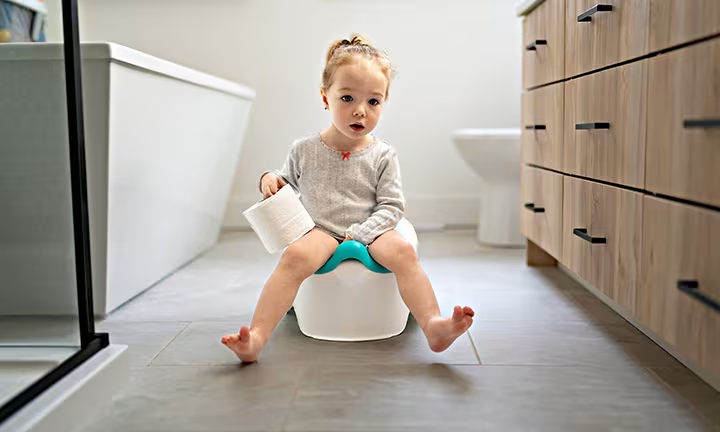
How to Potty Train a Girl – Our Top Tips
Learn all about potty training for girls, what age to start, how long it takes to potty train, plus our top tips for a smooth potty-training journey.
Read more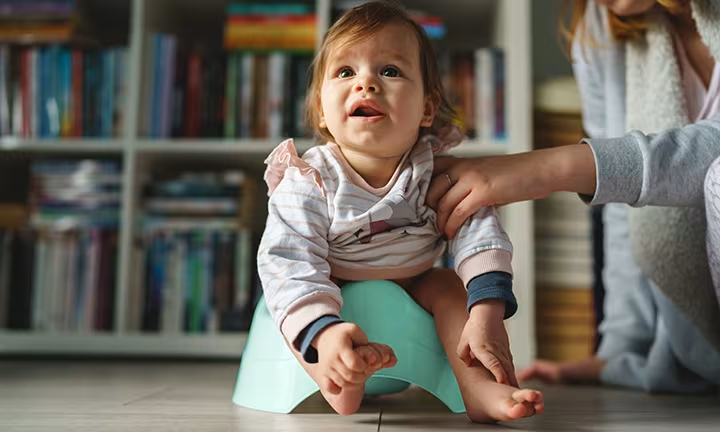
How To Potty Train At Night
Night time potty training usually begins when day time potty training has started. Learn the best tips and tricks for dealing with potty training at night.
Read more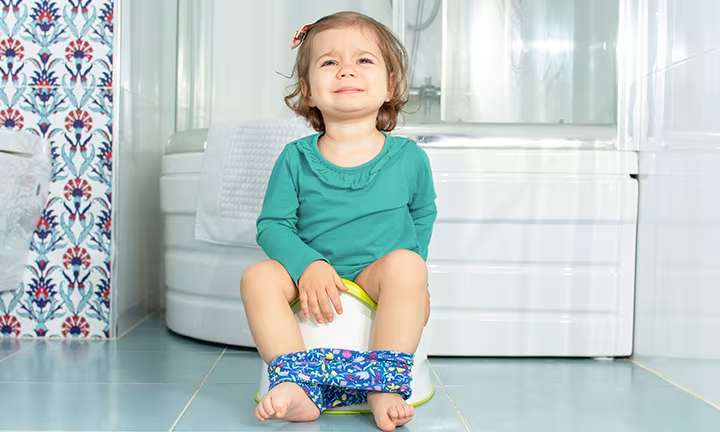
How to Deal With Potty-Training Regression
Is your child struggling with potty training regresses? Discover the reasons behind potty-training regression and get tips on how to manage and fix it.
Read moreWhen to Start Potty Training: 7 Signs Your Child Is Ready
Learn how to spot the signs that your child is ready to start potty training and discover what potty training involves, as well as potty training tricks.
Read moreWhich Potty Training Gear Do You Need?
Looking for potty training gear for your toddler? Check some advice on choosing the right potty or adapter seat and training pants, wipes and other equipment.
Read moreHow to Potty Train a Girl – Our Top Tips
Learn all about potty training for girls, what age to start, how long it takes to potty train, plus our top tips for a smooth potty-training journey.
Read moreHow To Potty Train At Night
Night time potty training usually begins when day time potty training has started. Learn the best tips and tricks for dealing with potty training at night.
Read moreHow to Deal With Potty-Training Regression
Is your child struggling with potty training regresses? Discover the reasons behind potty-training regression and get tips on how to manage and fix it.
Read moreWhen to Start Potty Training: 7 Signs Your Child Is Ready
Learn how to spot the signs that your child is ready to start potty training and discover what potty training involves, as well as potty training tricks.
Read moreWhich Potty Training Gear Do You Need?
Looking for potty training gear for your toddler? Check some advice on choosing the right potty or adapter seat and training pants, wipes and other equipment.
Read moreHow to Potty Train a Girl – Our Top Tips
Learn all about potty training for girls, what age to start, how long it takes to potty train, plus our top tips for a smooth potty-training journey.
Read moreJoin Pampers Club and get:
- PAMPERS COUPONS
- TOOLS & QUIZZES
- PARENTING TIPS
 PAMPERS COUPONS
 TOOLS & QUIZZES
 PARENTING TIPS