
All About Pregnancy Tests


Are you curious about pregnancy tests and how they work? Whether you’re trying to conceive or just want to be prepared, understanding pregnancy tests is an important part of your journey to parenthood. In this article, you’ll get all the information you need to know about pregnancy tests, including when to take one, how accurate they are, and what to expect when you take the test. So, if you’re looking for insight into pregnancy tests, you’ve come to the right place!
What Is a Pregnancy Test?
A pregnancy test is a diagnostic tool that detects human chorionic gonadotropin (hCG), a hormone produced by the placenta during pregnancy, in a person’s urine or blood. These tests are designed to confirm whether or not you are pregnant. A positive pregnancy test result typically indicates that you are pregnant, while a negative result suggests that you may not be pregnant.
When to Take a Pregnancy Test?
If you suspect you’re pregnant, you may want to take a pregnancy test as soon as possible, and it’s common to wonder how early you can take a pregnancy test. The most accurate time to take a home pregnancy test is from the first day of your missed period onwards; however, there are some tests that may be sensitive enough to use before your missed period (but you should check the test instructions carefully).
Waiting until after your first missed period ensures that your levels of hCG are high enough to detect – remember, hCG levels increase as your pregnancy progresses. Your body only produces hCG after the fertilised egg implants itself into the lining of your uterus. This may also cause some implantation bleeding, which is an early sign of pregnancy, along with missed periods. Your missed period is likely the earliest and most reliable clue that you are pregnant.
You may also be wondering how soon after unprotected sex you can test for pregnancy It’s recommended to test at least 21 days after.
It’s also a good idea to look out for some of the other early signs of pregnancy that you may experience, including:

When Is the Best Time of the Day to Take a Pregnancy Test?
It’s good to note that while the best time to take a pregnancy test is from the first day of your missed period, the time of day generally doesn’t matter. A pregnancy test doesn’t have to be taken in the morning – you can take one at any time of the day.

How Do Pregnancy Tests Work?
Pregnancy tests work by detecting a pregnancy hormone called hCG (human chorionic gonadotropin), in either your urine or blood. This hormone is produced from about six days after conception. During early pregnancy, hCG levels double every two days, so hCG becomes easier to detect on a test as the days progress. This is why it's a good idea to wait until after the first day of your missed period to take the pregnancy test, as taking the test any earlier may result in a false negative.
How Soon Will a Pregnancy Test Read Positive or Negative?
If you take an at-home pregnancy test, it’s common to get the results within a few minutes – meaning you don’t have to wait too long for the news. But all tests are different so it’s important to read and follow the instructions carefully. On average, home pregnancy tests take around 3 minutes.
It’s also important to read your result within the specified timeframe, as the results may be inaccurate if you wait too long. This is commonly no longer than 10 minutes.
What Types of Pregnancy Tests Are There?
To detect the presence of hCG, you can use two different types of pregnancy tests: urine tests and blood tests.
A Urine Pregnancy Test
Home pregnancy tests work by detecting hCG in your urine. You'll find a range of brands available on the market including some digital pregnancy tests. Some tests are more sensitive than others – meaning they may even work four or five days before your period is due. These tests allow you to check for pregnancy in the privacy of your own home at a time that suits you. If you'd like help taking the test, you can ask your GP or the staff at your local sexual health clinic. The process for taking a home pregnancy test is relatively straightforward; here’s what to do:
If you're in any doubt about your result, take the test again in a few days or ask your GP for help.
A Pregnancy Blood Test
This type of test is only done by a healthcare professional, and the results may take a few days. Pregnancy blood tests are more sensitive than urine tests and can detect the amount of hCG in your blood – not just whether the hormone is present at all. They can also detect hCG a little earlier – even six to eight days after ovulation.
If you prefer your GP to conduct a blood test to confirm your pregnancy instead of using a home pregnancy test, consult your GP.
Where Can I Get a Pregnancy Test?
You can buy a home pregnancy test at many pharmacies and supermarkets. However, you may also be able to get a free test from your GP, at community sexual health clinics, at some youth service centres, and at Brook centres, if you're 25 years of age or under. All of these services are confidential. Find your nearest pregnancy testing service here.
How Accurate Are Pregnancy Tests?
It’s natural to wonder if your pregnancy test results are accurate, especially when anticipating something so important. Most at-home pregnancy tests are up to 99% accurate when used correctly; however, the following factors may lead to an inaccurate result:
Can You Get a False Negative Pregnancy Test Result?
A negative pregnancy test result may be unreliable. If have received a negative result but still think you may be pregnant, for example, if your period is late, wait a few days and then take another pregnancy test or ask your GP for a pregnancy blood test.
Can You Get a False Positive Pregnancy Test Result?
A positive result on a pregnancy test is almost certainly accurate as long as you have followed the instructions on the pack carefully. However, false positives can happen in rare circumstances, for example, if a pregnancy test picks up on hCG that's been part of your fertility treatment.

What to Do and Not to Do Before Taking a Pregnancy Test
Here are some tips to use before taking a pregnancy test to help ensure testing goes smoothly and you get the most accurate results.
What to Do Before Taking a Pregnancy Test:
What Not to Do Before Taking a Pregnancy Test:
What to Do After a Positive Pregnancy Test
Once you learn the good news, make an appointment with your GP or a midwife so that your antenatal care can start.
Congratulations! At Pampers, we have resources to support you at every step of your pregnancy and into parenthood. For example, if you want to know how far along you are, check out our Due Date Calculator to get an approximate idea.
FAQS AT A GLANCE
To help avoid a false negative, it’s best to wait until after your first missed period to take a pregnancy test. Pregnancy tests detect your body’s hCG levels, which double every two to three days during those first few weeks of pregnancy.
The Bottom Line
If you've been attempting to conceive, have missed your period, or noticed some of the usual early signs of pregnancy, you may well want to know if you’re pregnant. Home pregnancy tests, which work by detecting levels of hCG in your urine, are an excellent way of confirming pregnancy. For the most precise results, it’s best to wait until after your first missed period and follow the pregnancy test instructions carefully.
We hope this straightforward guide has helped you understand how at-home urine pregnancy tests work, when to take one and how accurate they are. Pregnancy blood tests are also available via your healthcare professional.
Take a look at our go-to pregnancy guide if you’d like to discover interesting and exciting information about what's to come after receiving a positive test result. Also, by downloading the Pampers Club App, you can save and earn exclusive rewards with each Pampers purchase you make as you embark on the journey of parenthood.


hCG Levels in Early Pregnancy
Discover hCG levels by week to understand early pregnancy progress and ensure a healthy start. Explore our comprehensive hCG levels chart today.
Read more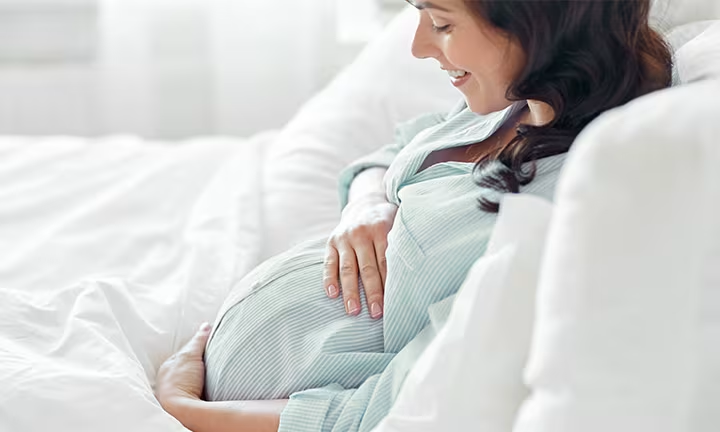
All About Full-Term Pregnancy
A pregnancy is considered full-term between 37 and 42 weeks. Find out more about the meaning of terms like preterm, full-term, and post-term.
Read more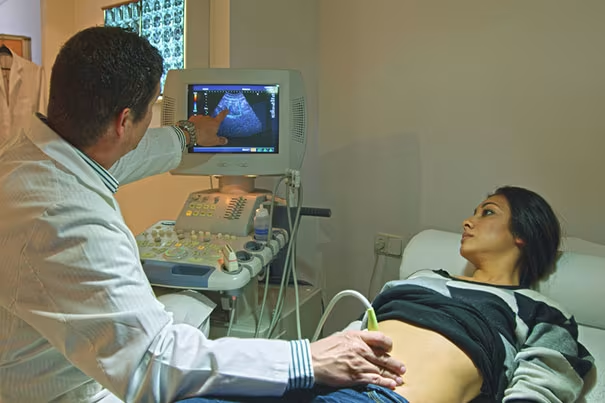
Understanding Ectopic Pregnancy: Symptoms and Next Steps
Learn about ectopic pregnancy symptoms, causes and treatment options. Discover when to seek medical advice and what to expect if you receive a diagnosis.
Read more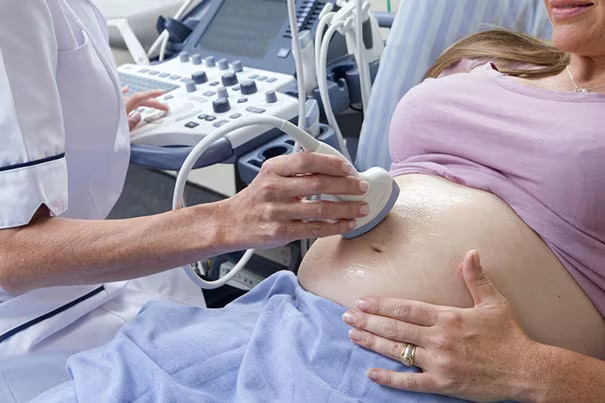
Placenta Praevia: What Is It and What to Do?
Placenta praevia is a condition that may occur during pregnancy. Read on to learn all about placenta praevia, what it is and what to do about it.
Read more
What Is Pre-Eclampsia and How to Manage It
Pre-Eclampsia is a condition that can occur during pregnancy, symptoms may include high blood pressure. Read on to learn more about the signs and symptoms.
Read more
All About Pregnancy Hormones
To answer your questions about the physical and mental changes you may experience during pregnancy, we've created the complete guide to pregnancy hormones.
Read more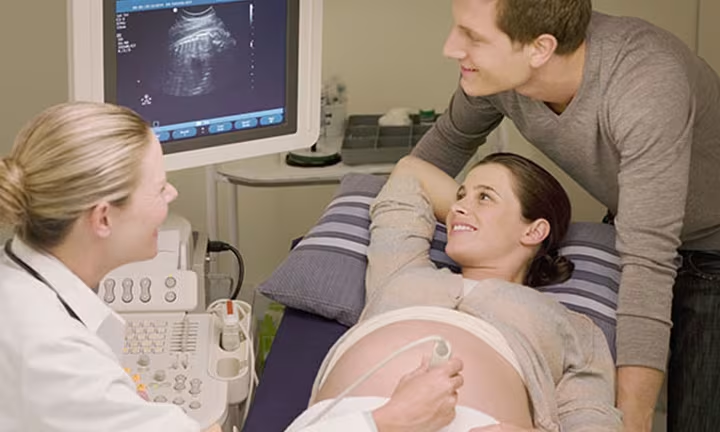
Placenta Accreta: Causes, Risks and Treatment
Worried about placenta accreta? Discover what it is, the causes, risks and treatment options – plus what to expect if you're diagnosed during pregnancy.
Read more
Toxoplasmosis in Pregnancy: Symptoms and Treatment
Facing toxoplasmosis during pregnancy and not sure of its symptoms? Our resourceful guide helps break down everything you need to know about toxoplasmosis.
Read more
How to Do Kick Counts
Learn the importance of kick counts in pregnancy and when to start counting them. Keep track of your baby's movements with ease using our expert tips on kick counting.
Read more
Group B Strep in Pregnancy
Find out more about group B streptococcus (GBS) and whether it can pose a risk to your baby. Read more about how GBS can be detected and treated.
Read morehCG Levels in Early Pregnancy
Discover hCG levels by week to understand early pregnancy progress and ensure a healthy start. Explore our comprehensive hCG levels chart today.
Read moreAll About Full-Term Pregnancy
A pregnancy is considered full-term between 37 and 42 weeks. Find out more about the meaning of terms like preterm, full-term, and post-term.
Read moreUnderstanding Ectopic Pregnancy: Symptoms and Next Steps
Learn about ectopic pregnancy symptoms, causes and treatment options. Discover when to seek medical advice and what to expect if you receive a diagnosis.
Read morePlacenta Praevia: What Is It and What to Do?
Placenta praevia is a condition that may occur during pregnancy. Read on to learn all about placenta praevia, what it is and what to do about it.
Read moreWhat Is Pre-Eclampsia and How to Manage It
Pre-Eclampsia is a condition that can occur during pregnancy, symptoms may include high blood pressure. Read on to learn more about the signs and symptoms.
Read moreAll About Pregnancy Hormones
To answer your questions about the physical and mental changes you may experience during pregnancy, we've created the complete guide to pregnancy hormones.
Read morePlacenta Accreta: Causes, Risks and Treatment
Worried about placenta accreta? Discover what it is, the causes, risks and treatment options – plus what to expect if you're diagnosed during pregnancy.
Read moreToxoplasmosis in Pregnancy: Symptoms and Treatment
Facing toxoplasmosis during pregnancy and not sure of its symptoms? Our resourceful guide helps break down everything you need to know about toxoplasmosis.
Read moreJoin Pampers Club and get:
- PAMPERS COUPONS
- TOOLS & QUIZZES
- PARENTING TIPS
 PAMPERS COUPONS
 TOOLS & QUIZZES
 PARENTING TIPS